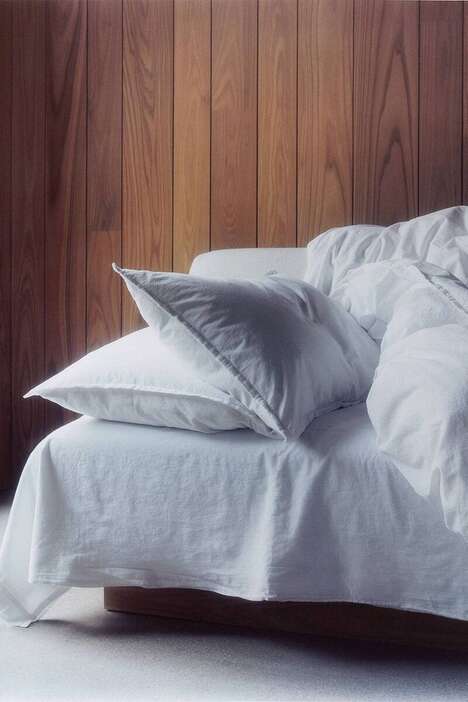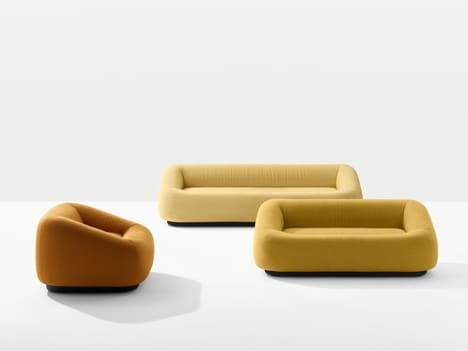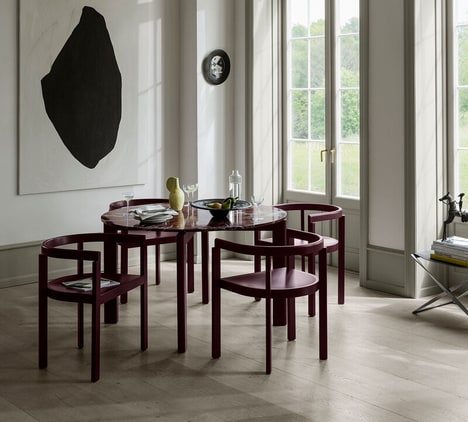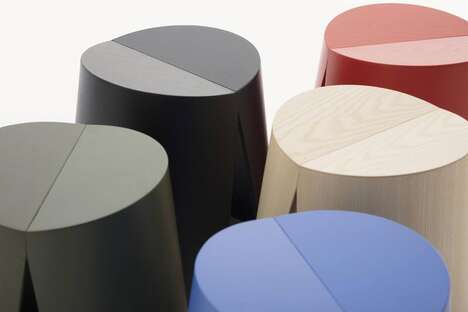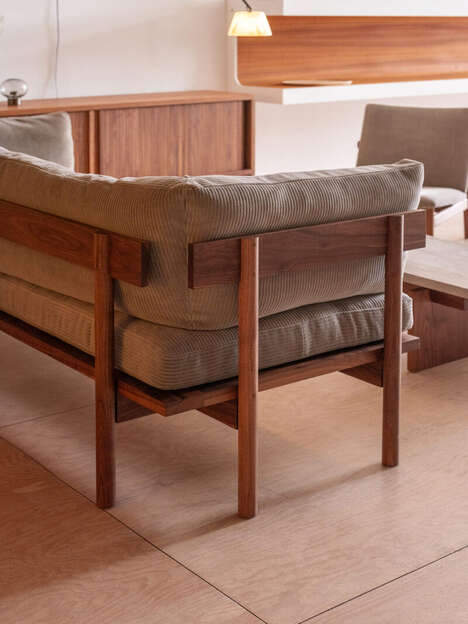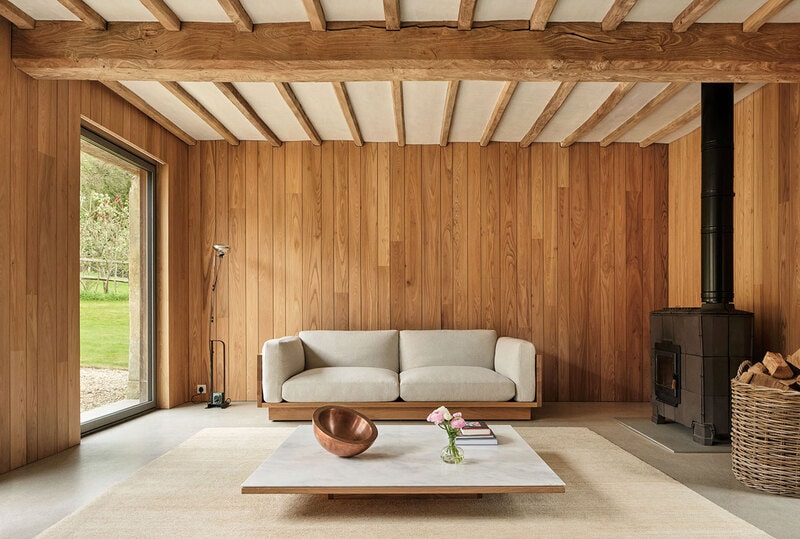
Herman Miller and John Pawson join forces on a minimalist seating collection that distills furniture down to its purest form. The collaboration emphasizes simplicity, proportion, and honest materiality—hallmarks of Pawson’s architectural language. Comprised of a lounge chair, sofa, and bench, each piece strips away unnecessary detail while preserving ergonomic integrity.
The collection is a study in restraint. Crafted with solid oak frames and natural wool-blend upholstery, the pieces feature refined joinery, low profiles, and precise lines. Pawson’s goal was to create furniture that brings “a sense of quiet” into a room without sacrificing warmth or usability. Designed for both residential and contract settings, the collection merges Herman Miller’s craftsmanship with Pawson’s commitment to architectural clarity. It’s a meditation on space, silence, and the understated power of simplicity—where every angle, seam, and surface is intentional.
Image Credit: Herman Miller
What Makes This Trend Stand Out
- Minimalist Living Spaces
- The rise of minimalist seating collections highlights a growing consumer demand for living spaces that prioritize simplicity and functionality.
- Sustainable Material Use
- The use of natural wool-blend upholstery and solid oak frames reflects a broader push towards sustainability and eco-friendly materials in furniture design.
- Architectural Furniture Design
- The collaboration between Herman Miller and John Pawson underscores a trend in merging architectural elements with furniture design for more cohesive living environments.
- Architectural Furniture Design
- The collaboration between Herman Miller and John Pawson underscores a trend in merging architectural elements with furniture design for more cohesive living environments.
Sectors Adopting This
- Furniture Manufacturing
- With the emphasis on simplicity and material integrity, furniture manufacturing is evolving towards designs that balance minimalism and ergonomic functionality.
- Interior Design
- As minimalist aesthetics gain popularity, interior design firms have the opportunity to innovate new ways to integrate understated yet impactful furniture pieces into various spaces.
- Sustainable Textiles
- The demand for natural materials in minimalist furniture fuels the sustainable textiles industry, encouraging innovations in eco-friendly upholstery and fabrics.