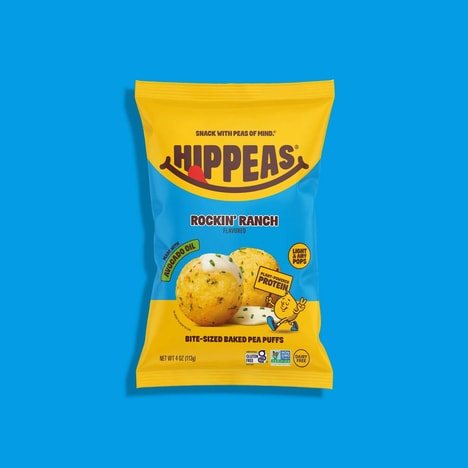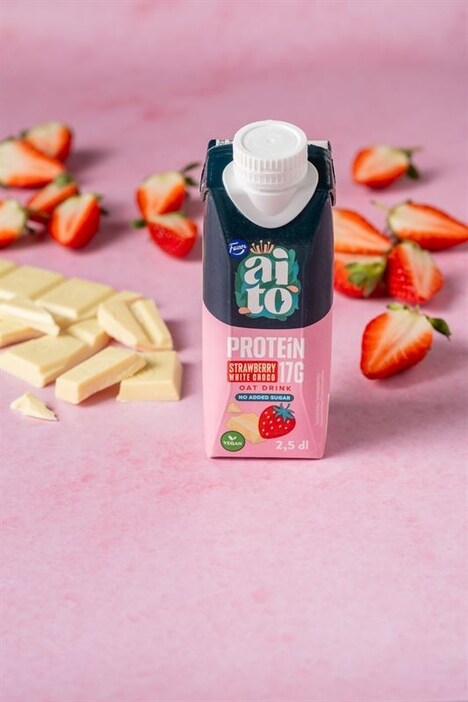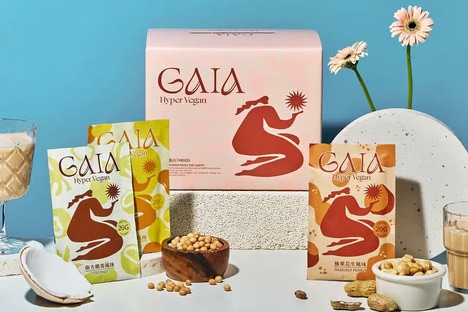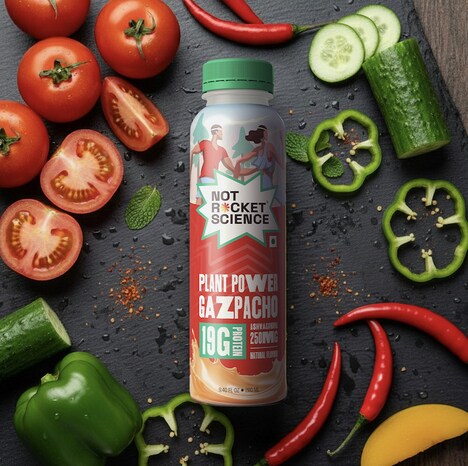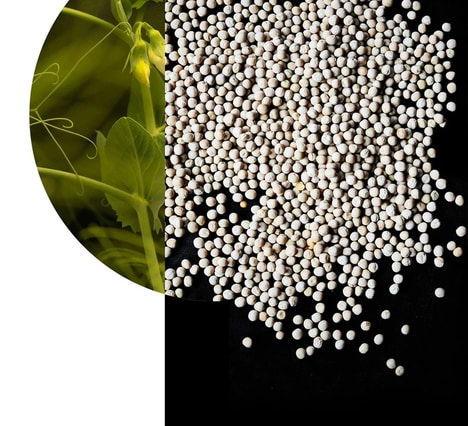
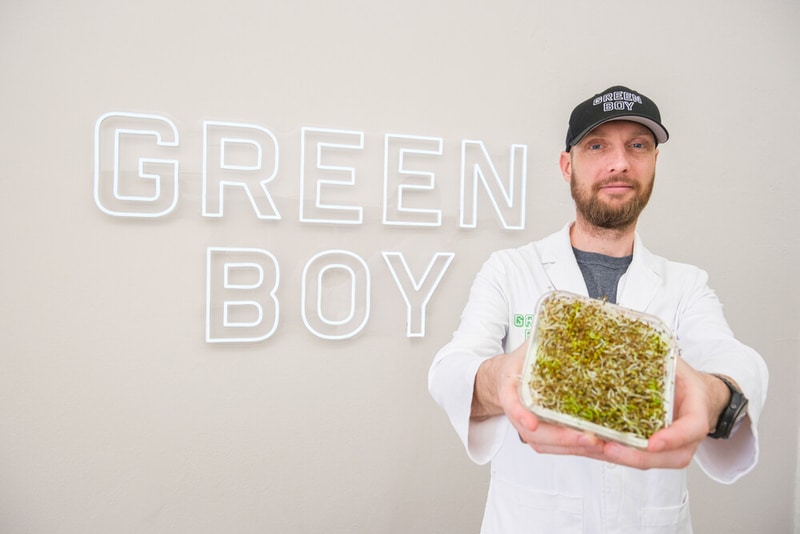
Global plant-based ingredient supplier Green Boy Group invested in Fudi Protein, which makes the most of nutrient-dense alfalfa to extract RuBisCO protein. This next-gen plant-based protein is white in color and neutral in taste, and has applications in everything from adding protein to drinks and replacing eggs in baking to substituting dairy. What's more, Fudi Protein's proprietary alfalfa extraction method (which involves harvesting and processing alfalfa near its fields) offers a more sustainable approach to producing plant-based protein.
"RuBisCO protein is the holy grail amongst the proteins and enters the market at a time when consumer interest in protein is skyrocketing, driven in large part by the rise of GLP-1 users whose diets are shifting toward higher protein and fiber intake," said Peter van Dijken, Co-Founder and Owner of Green Boy Group. "A complete and sustainable RuBisCO protein that can rival dairy and animal proteins in both price and functionality would be a game-changer."
Why This Trend Is Growing
- Alfalfa-derived Rubisco Adoption
- A shift toward commercially produced RuBisCO from alfalfa reveals potential to displace animal proteins by offering a complete amino acid profile with lower land and emissions intensity.
- Functional Neutral-taste Proteins
- Neutral-colored, bland plant proteins that perform like dairy or egg ingredients open avenues for seamless formulation across beverages, baked goods, and dairy analogs without sensory compromise.
- Localized Field-to-factory Processing
- Proximity-based harvesting and processing models for perishable protein crops suggest supply-chain efficiencies and reduced transport emissions that could upend centralized ingredient production.
Industries Being Reshaped
- Food and Beverage Manufacturing
- Manufacturers stand to reformulate products using high-functionality plant proteins to meet rising protein demand while simplifying ingredient systems and cost structures.
- Dairy Alternatives
- The emergence of milk-like, neutral plant proteins offers an opportunity for alternative dairy brands to achieve closer parity in texture and nutrition with traditional dairy.
- Nutraceuticals and Weight-management Foods
- With protein-focused diets growing among GLP-1 users and other health-conscious consumers, concentrated plant proteins can enable higher-protein, fiber-rich functional foods and supplements.