
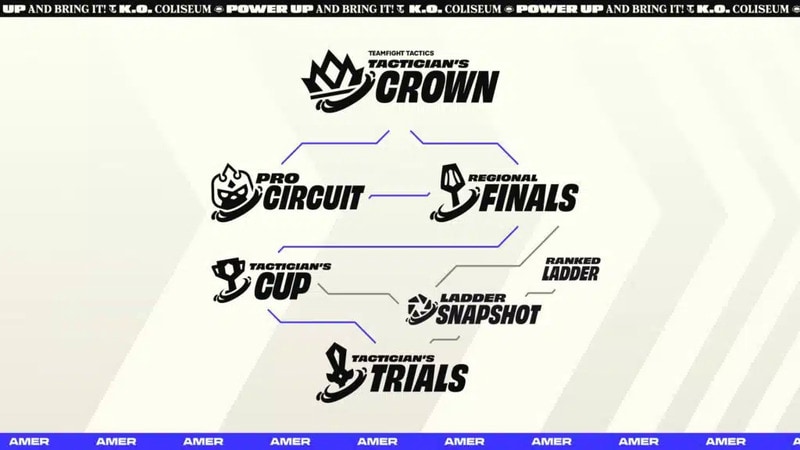
Riot Games launched CompeteTFT, a dedicated esports platform for Teamfight Tactics, on August 20, 2025. The hub centralizes information on the TFT Pro Circuit, offering event details, competitor statistics, standings and schedules for all stages of the circuit. It currently covers Set 15 competitions—including the Battle Academia Cup, Soul Fighter Cup and Star Guardian Cup—through which players vie for spots in Regional Finals and the ultimate Tactician’s Crown. Region-specific pages for AMER, APAC and EMEA feature localised content, registration guides and upcoming event calendars to streamline access for players and fans alike.
CompeteTFT will further evolve in Set 16, introducing support for the Path to Pro system that enables aspiring professionals to register and compete in regional Trials and Cups on their route to the Pro Circuit. The expansion reflects Riot’s commitment to enhancing TFT’s competitive infrastructure and underscores a distinctive approach to esports; unlike franchised leagues in titles such as League of Legends and VALORANT, TFT’s structure allows individual players to ascend from ranked play directly into professional competition without organizational backing, fostering a more accessible and fluid ecosystem.
Image Credit: Riot Games
Key Themes Behind This Trend
- Integrated Esports Platform
- Centralized platforms like CompeteTFT radically streamline the accessibility of competitive gaming, offering a unified hub for players and fans alike.
- Localized Esports Content
- The rise of region-specific content hubs, such as CompeteTFT's segmented pages for AMER, APAC, and EMEA, caters to diverse global audiences with tailored local support.
- Ascension-based Competitive Model
- CompeteTFT's support for an ascension-based path to professional gaming reflects a shift from traditional organizational backings to more fluid and individual-centric progressions.
Where This Applies
- Esports Platforms
- Innovative esports platforms are redefining the structure of competitive gaming by offering integrated, all-encompassing ecosystems for both amateurs and professionals.
- Competitive Gaming
- The evolution of competitive gaming models, focusing on personalization and direct player progression, suggests a shift in how esports ecosystems support talent discovery and development.
- Digital Content Localization
- Localized content strategies in esports hubs highlight a growing demand for region-specific interfaces that enhance user engagement and participation.