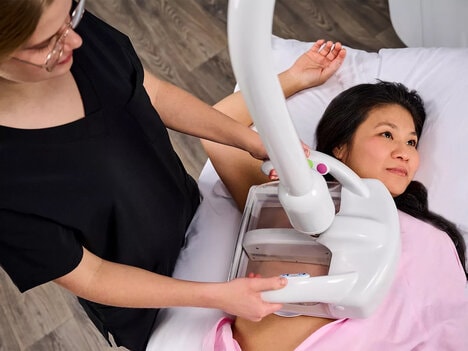
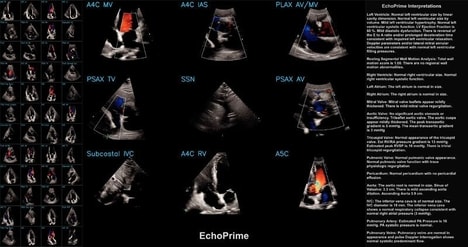
Butterfly Network is integrating artificial intelligence with its portable ultrasound technology, and the outcomes are recorded in recent research published in the European Heart Journal. The study, conducted in collaboration with Tufts Medical Center, revealed that machine learning models adapted for Butterfly Network's handheld iQ+ devices can identify aortic stenosis with 94% accuracy, as measured by AUROC scoring. This development addresses a critical healthcare gap, as over 13% of elderly Americans suffer from this often-undiagnosed valve condition that typically progresses unnoticed until severe symptoms emerge.
Butterfly Network simultaneously introduced an AI-enhanced training module within its Butterfly ScanLab platform, designed to teach medical professionals proper aortic scanning techniques through interactive iPad-based instruction featuring anatomical overlays and real-time feedback.
These parallel advancements in both diagnostic algorithms and clinician education create a comprehensive solution for early detection of cardiovascular abnormalities in non-specialist settings like primary care offices and long-term care facilities.
Image Credit: Butterfly Network
What Makes This Trend Stand Out
- AI-powered Diagnostic Tools
- The integration of AI into diagnostic tools like portable ultrasounds is reshaping early detection and screening processes, particularly in cardiovascular health.
- Portable Medical Technologies
- Compact and handheld medical devices are expanding access to advanced diagnostics, even in settings without specialized equipment or personnel.
- Interactive Medical Training
- AI-enhanced educational modules are transforming medical training by providing real-time feedback and interactive learning experiences, increasing efficacy and retention.
Sectors Adopting This
- Healthcare Technology
- Healthcare technology companies are leveraging AI to enhance diagnostic accuracy and accessibility, leading to transformative changes in patient care and outcomes.
- Medical Device Manufacturing
- The production of portable, AI-enabled medical devices is revolutionizing the way diagnostic tools are delivered and utilized across healthcare settings.
- Digital Education Platforms
- Digital education platforms in healthcare are evolving to include AI-driven content, offering more personalized and effective learning paths for medical professionals.