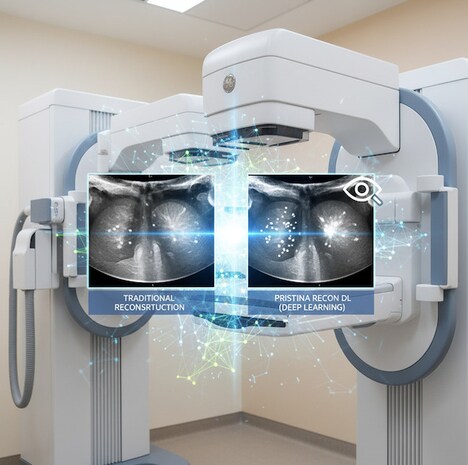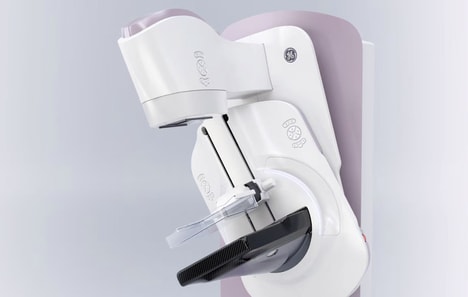
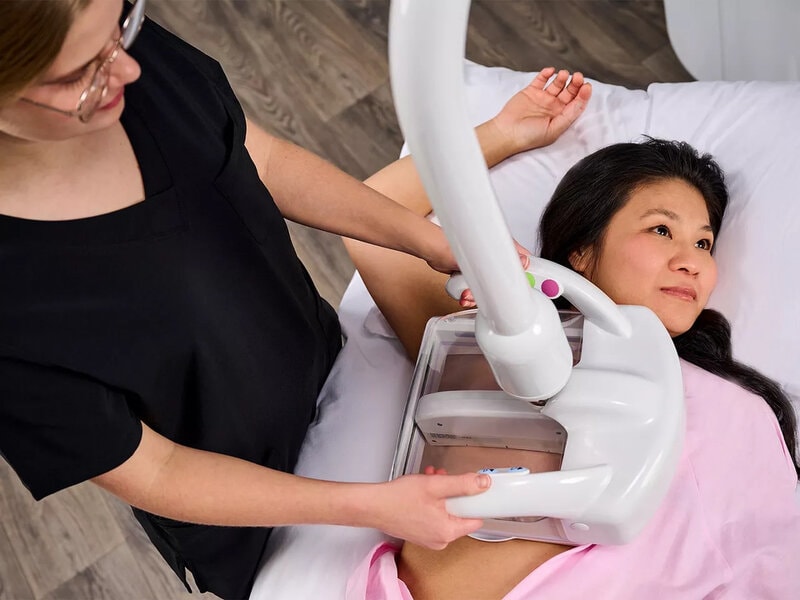
GE HealthCare's Invenia ABUS Prime is a new, AI-powered ultrasound designed to advance supplemental breast screening for women with dense breasts, streamline workflows and deliver an experience that considers both patient comfort and clinician efficiency. 40% of women have dense breasts, which makes them four to six times more likely to develop cancer. Since 2024, the FDA has required mammography providers to notify patients if they have dense breasts and explain that supplemental screening may be beneficial, and Invenia ABUS (Automated Breast Ultrasound) Prime offers an alternative to mammograms that struggle to differentiate dense tissue from tumors.
Invenia ABUS Prime, now FDA Premarket Approved, supports proactive care with a combination of automated 3D ultrasound imaging, rapid scan technology, and AI-assisted quality checks—and it's proven a 35.7% increase in cancer detection over mammography alone in dense breasts, and the potential to reduce unnecessary biopsies.
What's Driving This Trend
- AI-assisted Diagnostics
- Embedded imaging intelligence creates room for more accurate early detection, quality assurance, and clinician decision support in high-volume screening environments.
- Dense-breast Screening
- Regulatory disclosure requirements are expanding demand for supplemental technologies that address gaps in traditional mammography for higher-risk patient groups.
- Automated 3D Imaging
- Advanced scan automation and volumetric visualization are reshaping preventive care by improving throughput, consistency, and patient accessibility.
Who This Affects Most
- Medical Imaging
- AI-enhanced ultrasound platforms are introducing new competitive models centered on workflow efficiency, detection performance, and non-invasive screening alternatives.
- Women’s Health
- Personalized screening pathways for dense breast tissue are creating differentiated services that combine risk awareness, comfort, and proactive care.
- Healthcare AI
- Clinical approval of AI-powered imaging systems signals growing opportunities for regulated tools that augment specialists and reduce diagnostic variability.