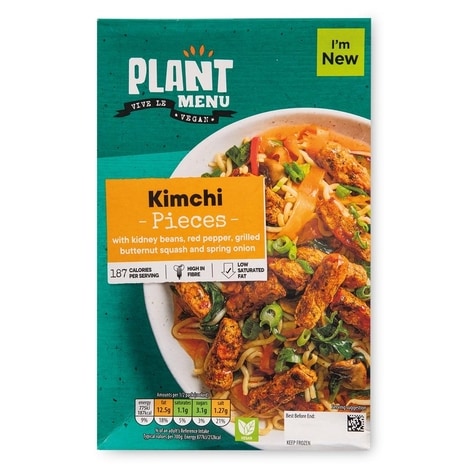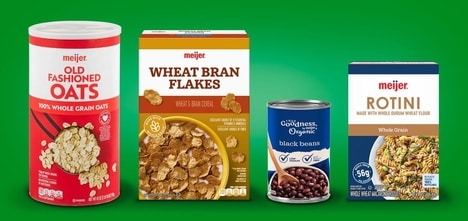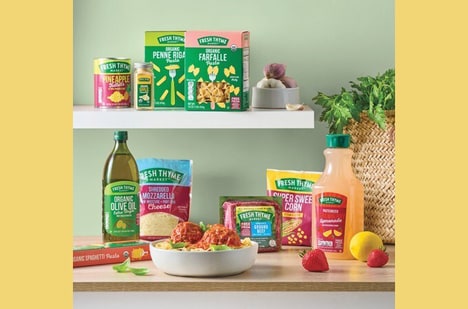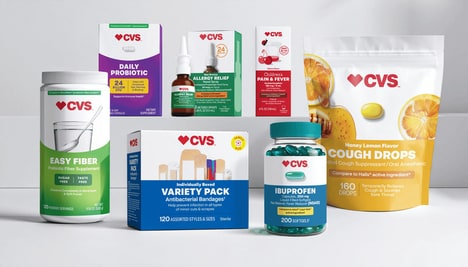

ALDI private label products are receiving an overhaul as per a new released from the retailer that will see it eliminating certain ingredients from their formulations. The ingredient overhaul will see the brand's private label food, vitamin and supplement products reformulated without 44 ingredients in a bid to give each option a free-from boost.
The formulation updates come at an important time for private labels as consumers continue to gravitate towards them as a way to counteract the effects of inflationary pressures without sacrificing their favorite products. The updates will bring the brand's restricted ingredient list up to 57 by December 2027.
Chief Commercial Officer Scott Patton spoke on the updates to the ALDI private label products saying, "At the heart of our private label products is a commitment to listening to our customers and continually improving the products they bring into their homes. Based directly on customer feedback, we are proud to take meaningful steps to make it even easier for families to fill their carts with confidence by delivering simpler ingredients while continuing to provide the quality and value they expect from Aldi.”
What's Driving This Trend
- Free-from Reformulation
- Reformulation strategies create new product tiers that compete on clean-label credentials and shift category benchmarks for ingredient simplicity.
- Private-label Premiumization
- Emergence of premium private-labels narrows perceived quality gaps with national brands, reshaping pricing and brand loyalty dynamics.
- Ingredient Transparency
- Greater disclosure of formulations shifts consumer trust drivers toward verifiable sourcing and simple ingredient lists, altering marketing narratives.
Who This Affects Most
- Grocery Retail
- Stores with expanded free-from private labels can redefine value propositions for inflation-conscious shoppers, changing assortment and promotional strategies.
- Contract Manufacturing
- Co-Manufacturers focused on clean-label production capture demand for reformulated SKUs and prompt reconfiguration of manufacturing workflows.
- Food Ingredients Suppliers
- Demand for natural, multifunctional alternatives accelerates innovation in preservatives and texturants, disrupting legacy additive supply chains.