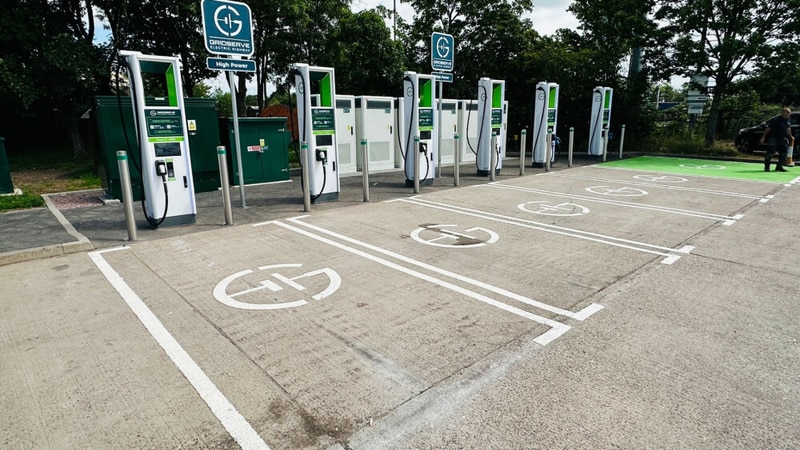
Motorway ultra-rapid charging is expanding as service operators invest in higher-capacity infrastructure that makes long-distance electric travel more practical. Roadchef's installation of six 350kW charging bays at Sandbach North on the M6 reflects the growing shift toward strategically placed charging hubs that reduce wait times and improve route reliability for EV drivers. By combining ultra-fast charging with amenities such as dining, retail, and rest areas, motorway service stations are evolving into comprehensive recharge destinations for both vehicles and travelers.
For businesses, expanding high-power charging infrastructure can increase customer traffic, encourage longer dwell times, and create new revenue opportunities through retail and hospitality services. Reliable charging networks also strengthen consumer confidence in electric vehicles, supporting broader EV adoption. As demand for rapid charging continues to grow, operators that invest in scalable, conveniently located charging hubs may gain a competitive advantage while helping build a more dependable nationwide charging ecosystem.
Image Credit: Roadchef
Key Themes Behind This Trend
- Ultra-rapid Motorway Charging
- High-capacity 350kW charging hubs are reshaping long-distance EV travel by reducing stop duration and making electric mobility more dependable on major transport corridors.
- Amenity-based Charging Destinations
- Motorway service stations that combine charging with dining, retail, and rest areas create new value from traveler dwell time and position charging stops as integrated consumer experiences.
- Route-reliable EV Infrastructure
- Strategically placed charging networks along busy highways strengthen confidence in electric vehicles by improving journey predictability and reducing range-related uncertainty.
Where This Applies
- Electric Vehicle Charging
- Scalable ultra-fast charging infrastructure presents a growth pathway for operators that can deliver reliable power access in high-traffic roadside locations.
- Motorway Hospitality
- Service-area businesses gain new revenue potential as EV drivers spend charging time on food, convenience retail, and comfort-based amenities.
- Energy Infrastructure
- Grid-connected charging hubs create demand for advanced power management, storage integration, and site-level energy optimization across transport networks.