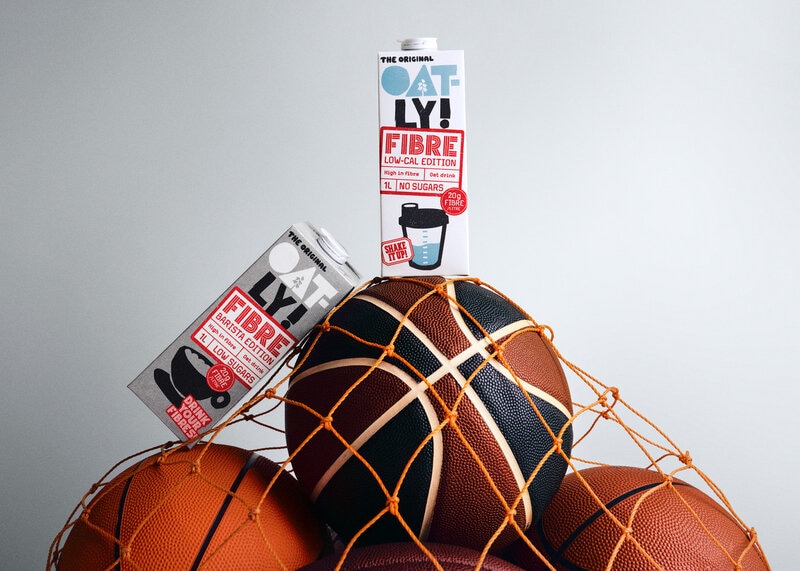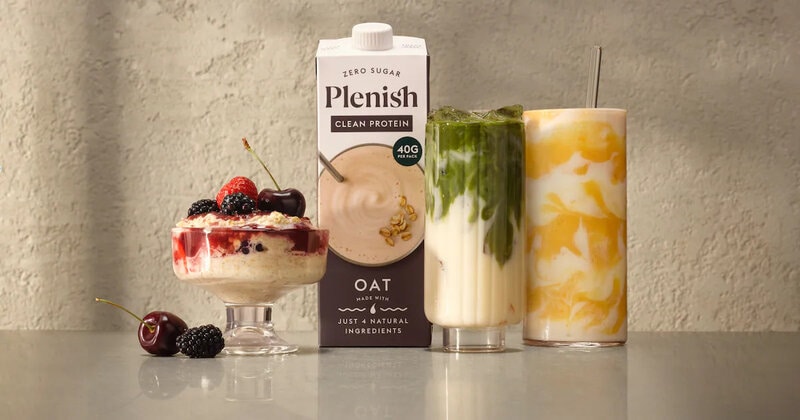





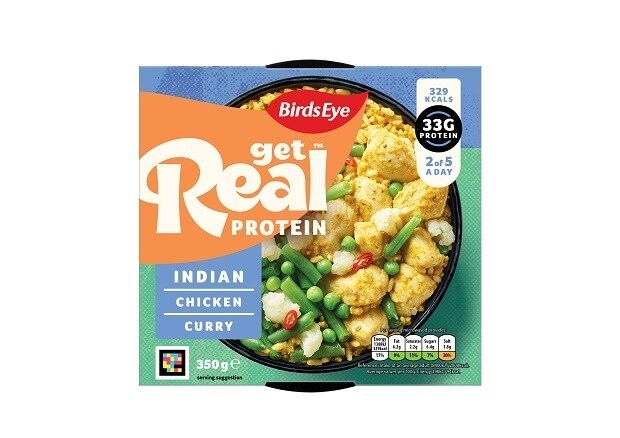
Protein is being paired with adjacent wellness cues such as plant-based ingredients, digestive support and meal functionality rather than sold as a standalone sports claim.
Trend Clusters
Trend clusters for innovators, entrepreneurs and creative minds, fueled by big data, crowd filtering and Trend Hunter AI.
What is a trend cluster?
A trend cluster is a group of related innovations that point to the same shift in consumer behavior. Trend Hunter builds each cluster from evidence articles in its database, tracks the articles that keep feeding it, and scores it daily out of 10 on popularity, activity and freshness, with a boost for clusters that stay strong week after week. Each one is tagged with the Patterns of Opportunity and Megatrends it expresses.
- Trend Clusters
- 11,439
- Trends Analyzed
- 540,471
- Framework
- 6 patterns · 18 megatrends
- Scoring
- 0–10 · popularity, activity, freshness
- Standards
- Editorial Standards
- Updated
- · scores daily
The Six Patterns & Eighteen Megatrends
Every trend cluster in the database is classified against this framework. Each pattern describes how consumer behaviour shifts; each megatrend names a specific expression of it.
Convergence
Pattern of Opportunity · 4,323 Trend ClustersTo converge ideas is to channel the power of multiple ideas into one. This casts a wider net in terms of your idea's appeal.
Co-creation- Consumers are more interested in a lifestyle than they are in material goods; the alignment of various brands and services to others -- or even to the consumer, inviting collaboration -- into one will satisfy this.
Multisensation- Passive consumption that satisfies one of the senses at a time doesn't satisfy the modern consumer's short attention span; interactivity is a must.
Hybridization- Consumers place a premium on irreplaceability. In this era of oversaturation, differentiation is key. This can be achieved through layering seemingly unrelated ideas to create new categories and experiences.
Divergence
Pattern of Opportunity · 3,902 Trend ClustersA method of ideation that deliberately goes against the grain of the mainstream. A great tool for battling brand skepticism, Divergence is about rebellion and differentiation.
Personalization- Individuality is of the utmost importance to the personal brand-savvy consumer. Nothing is more unique than a personalized item.
Authenticity- The scope of communication has transformed what it means to be self aware. There is a premium placed on genuineness that has consumers expecting more transparency and connection.
Many to Many- Big-brand skepticism creates a rise in P2P that takes the power out of the hands of 2 or 3 large companies per industry, and instead highlights a sense of community support through small businesses.
Cyclicality
Pattern of Opportunity · 2,733 Trend ClustersThe foundation of Cyclicality is in the old adage, "history repeats itself." It is the act of channeling revisitation to spark a sentimental response.
Naturality- Social-minded consumers seek connections to experiences and products that connect them to bigger, more important things.
Nostalgia- Tapping into the value of sentimentality to provide exhausted, troubled consumers with emotional escapism.
Youthfulness- The ease of global communication and availability of all kinds of information has consumers redefining age entirely; aging is about extending independence, and childhood is about exploration, not naivete.
Redirection
Pattern of Opportunity · 4,262 Trend ClustersRedirection starts in the consumer expectation, then flips it on its head to provide an entirely new, unforgettable experience.
Gamification- Attention spans are decreasing at a rapid pace, meaning consumers need more incentive to interact with a brand. Gamification aids in this via the application of game elements such as scoring, as well as the application of game theory and the process of doing something to evoke a group response.
Tribalism- Individuality has been democratized, and consumers don't want to be categorized by age, gender, or other traditional demographics. They prefer allegiant tribes bonded by common interests or principles.
Experience- The Experience Economy is upon us, meaning consumers are less inclined to purchase products than they are to seek experience and the opportunity to create memories.
Reduction
Pattern of Opportunity · 2,707 Trend ClustersReduction supposes that less is more by employing exclusion as a tool to hone in on the most effective parts of an idea.
Curation- Not what is needed, but what is most targeted to a specific type of person. Consumers are sick of doing the guesswork, and are willing to provide enough information to be told exactly what they should buy.
Instant Entrepreneurship- Turning ideas into action comes with ease in the digital age. Consumers are more resourceful and creative than ever, and are seeking ways to channel that into actual business ideas.
Simplicity- There is power in omission for consumers who are overwhelmed by the constant connectivity of the information age. Thus they are drawn to streamlining and minimalism.
Acceleration
Pattern of Opportunity · 3,746 Trend ClustersA way of thinking rooted in moving upward and onward; Acceleration is the act of deliberate advancement.
Catalyzation- During this age of decadence, consumers want to feel better about their consumption habits, and so they want everything they consume to contribute to their betterment/enlightenment.
Prosumerism- Every person is a media producer; social media and the attention economy (the high value of human attention as a resource) has consumers looking to master media and content themselves.
Artificial Intelligence- Technology as a means to improve who and what the human race is/doing. Think about data, prediction, and technology as a word interchangeable with convenience or ease.
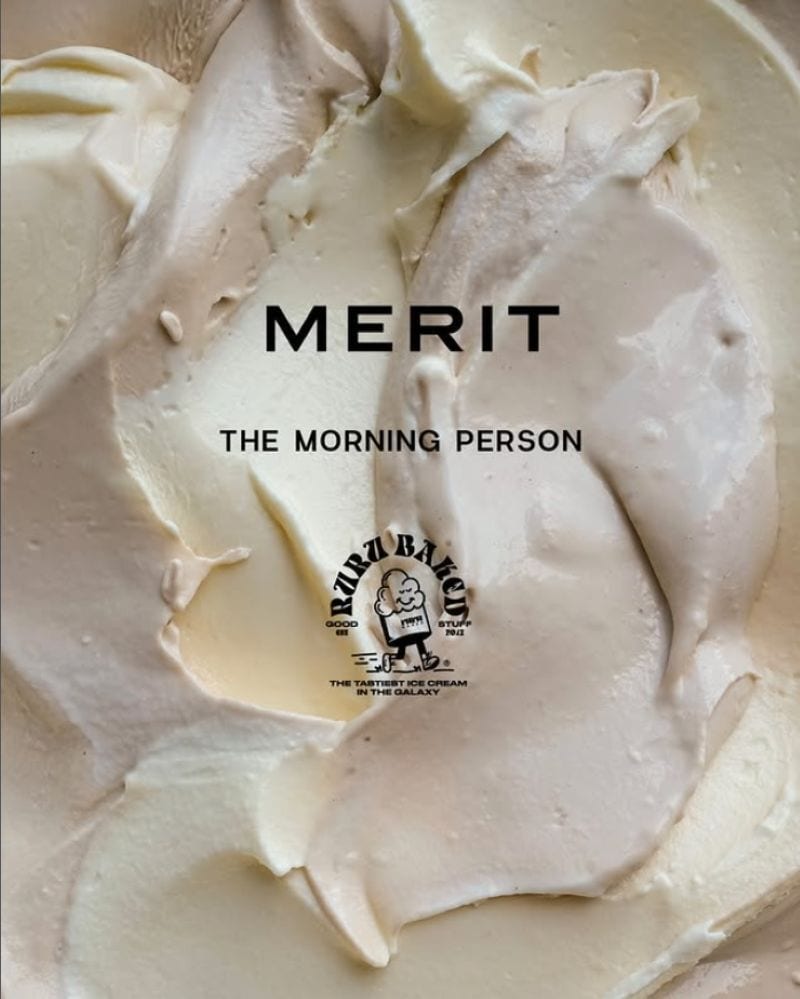
Dessert Theater
Restaurants turn sweets into social occasions and visual content
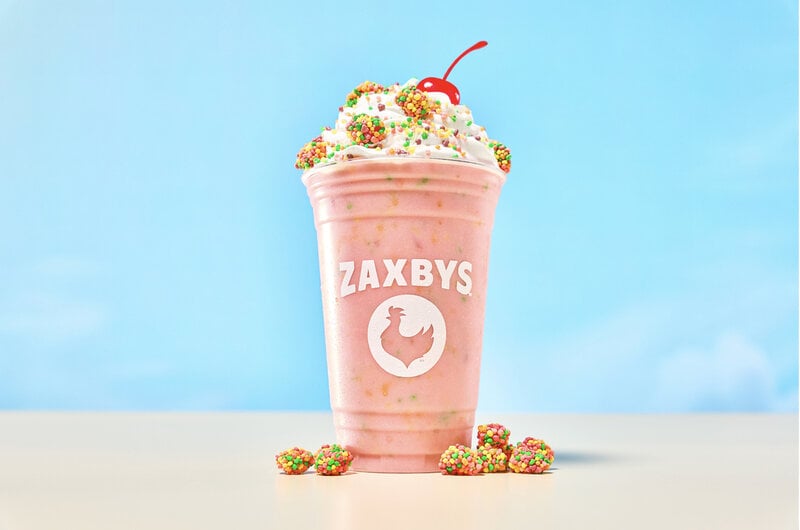
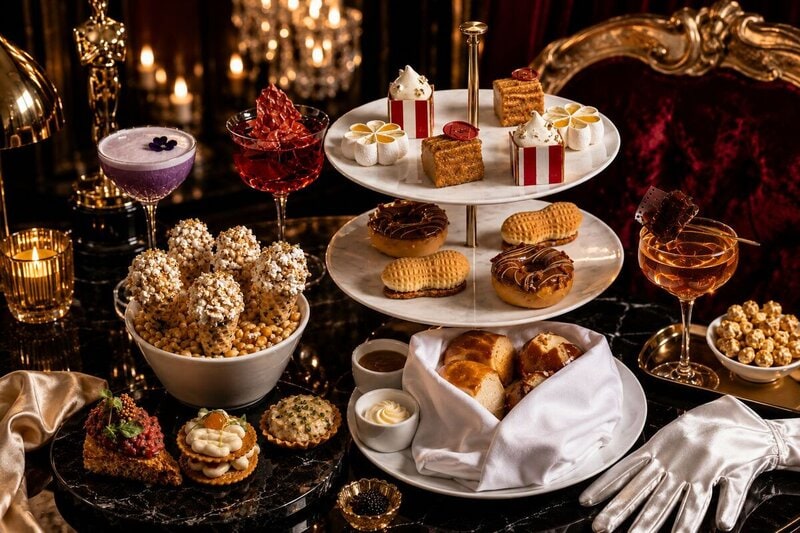
Food service brands are building desserts as spectacle-led menu items rather than simple add-ons as texture and topping density are becoming part of the value proposition. Crunch, drizzle and piled-on inclusions are used to make desserts look richer, more distinctive and more shareable in photos.
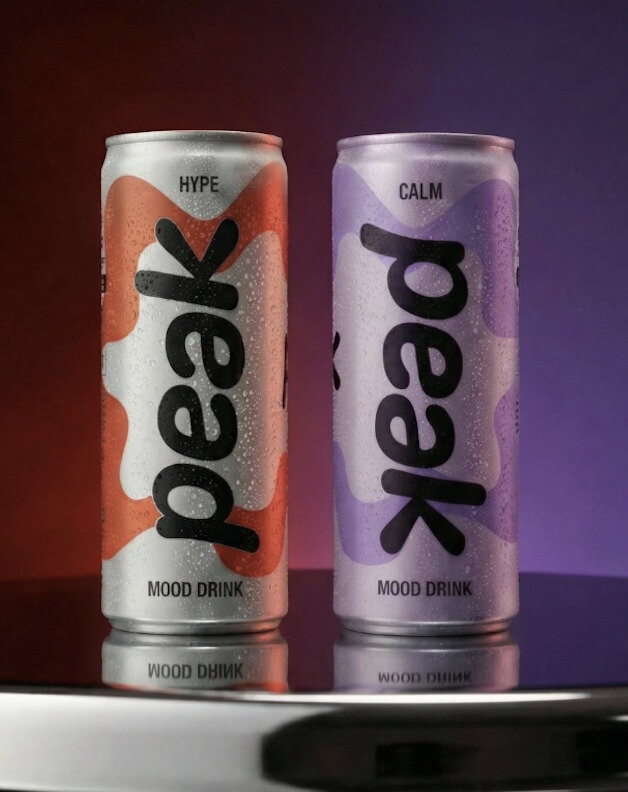
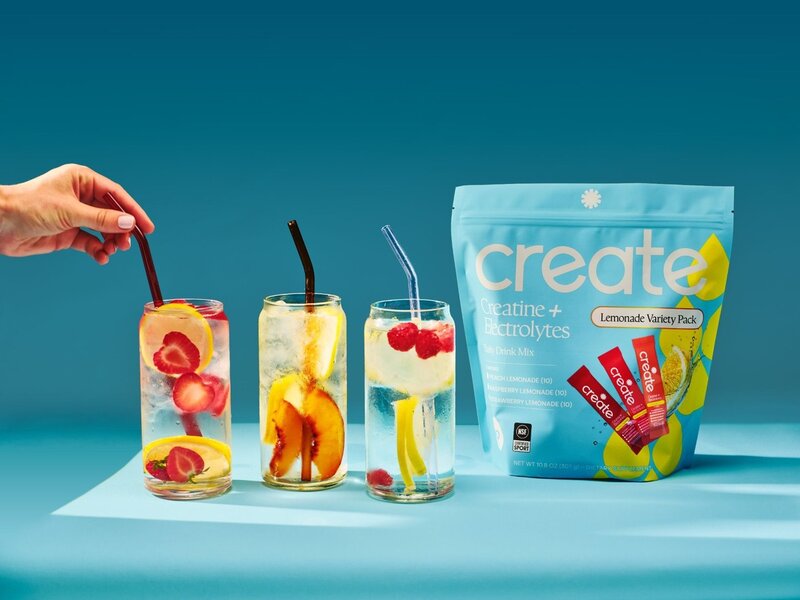
Ritual Refreshment
Everyday drinks are becoming low-effort tools for mood and energy
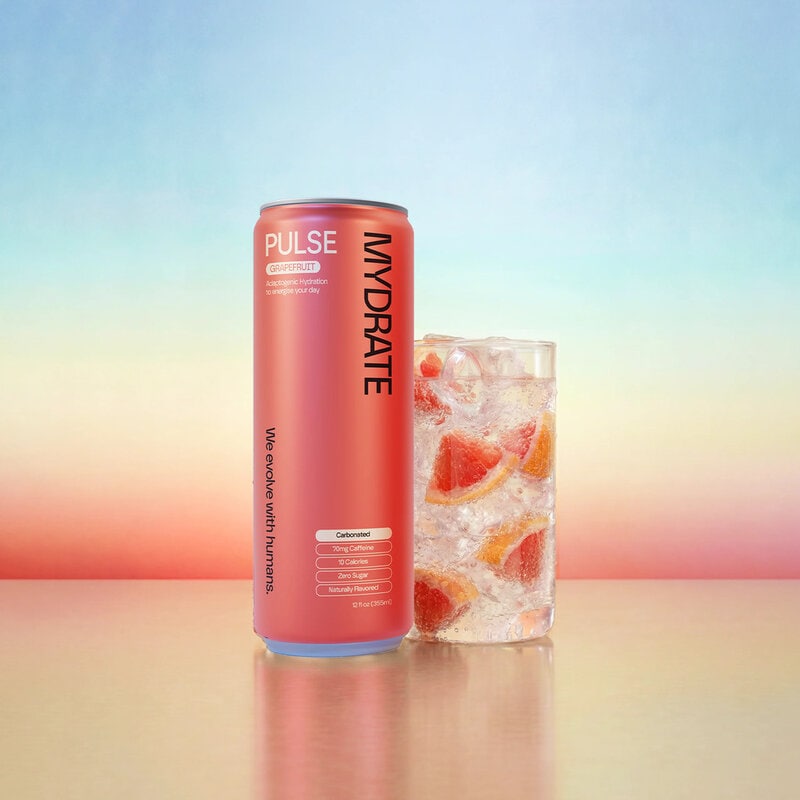
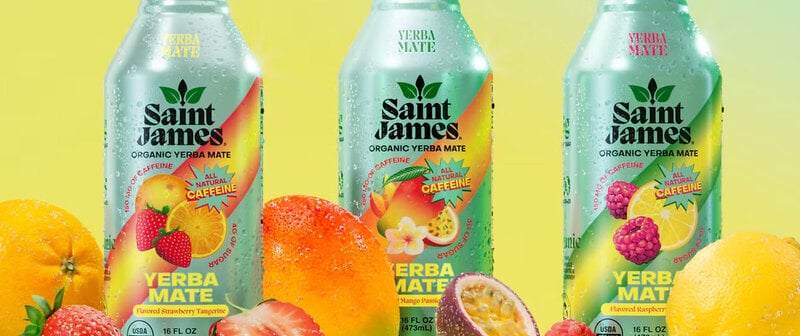
Beverage brands are adding adaptogens, botanicals and other functional ingredients to familiar formats like sparkling drinks, powders and tea-based beverages. These products are positioned as convenient ways to hydrate while supporting mood, focus, calm or stamina within existing routines.
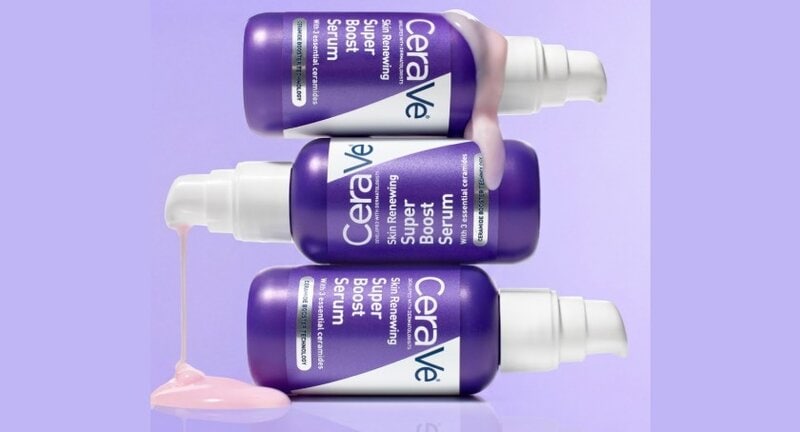
Precision Serums
Skincare treatments are framed around one, main concern and gentler use
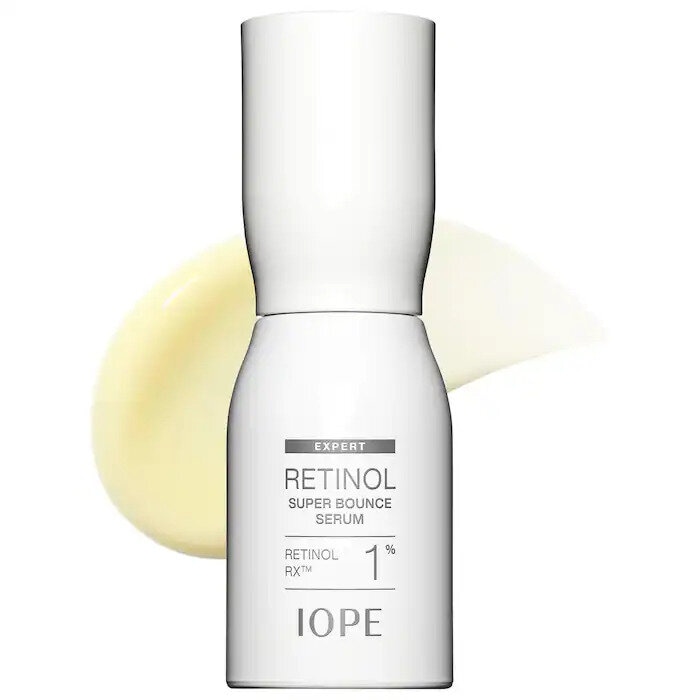
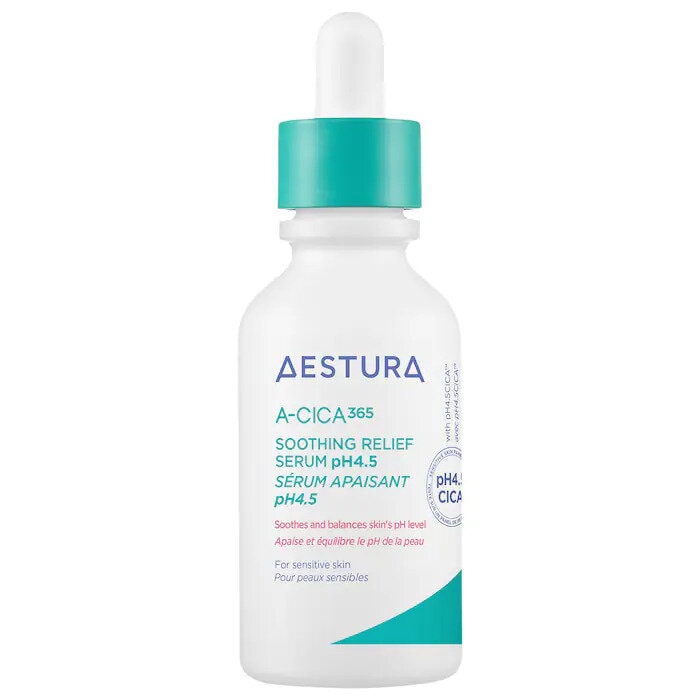
Serum launches are increasingly positioned as focused treatment steps for specific needs such as hydration, barrier support, complexion clarity, repair, or other visible signs of aging.
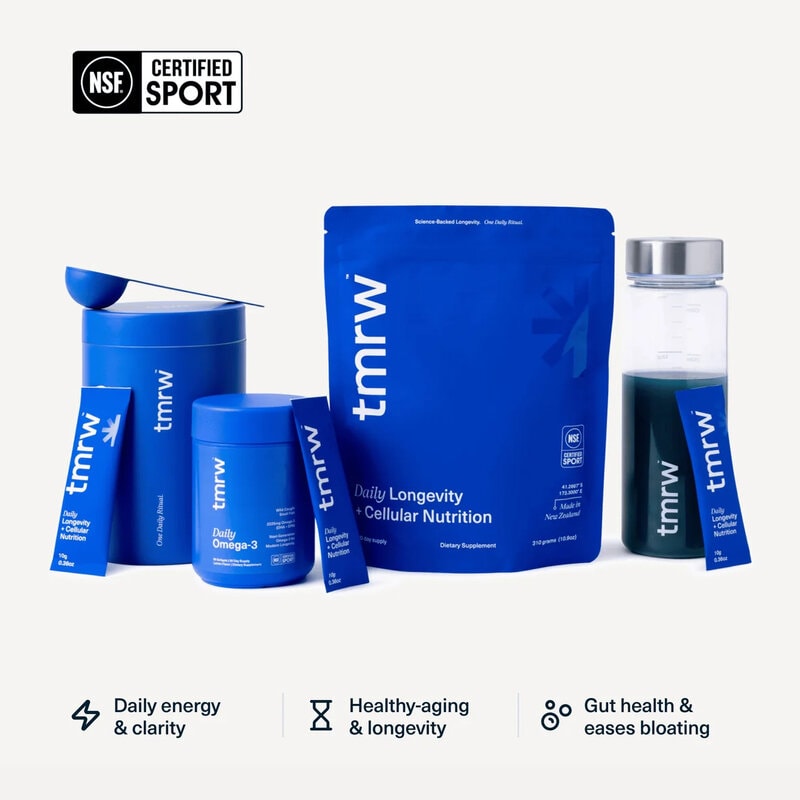
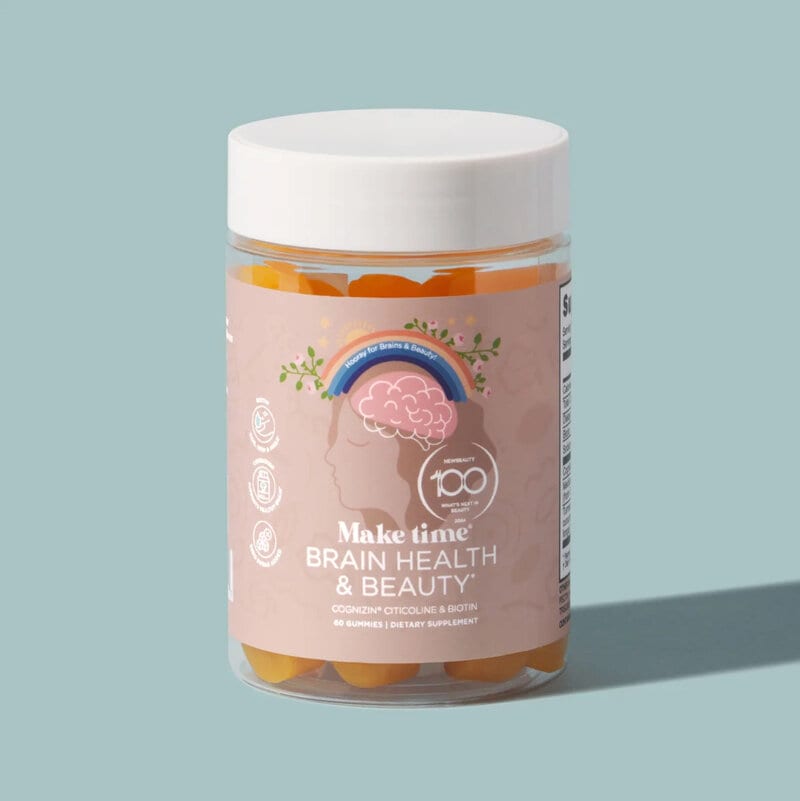
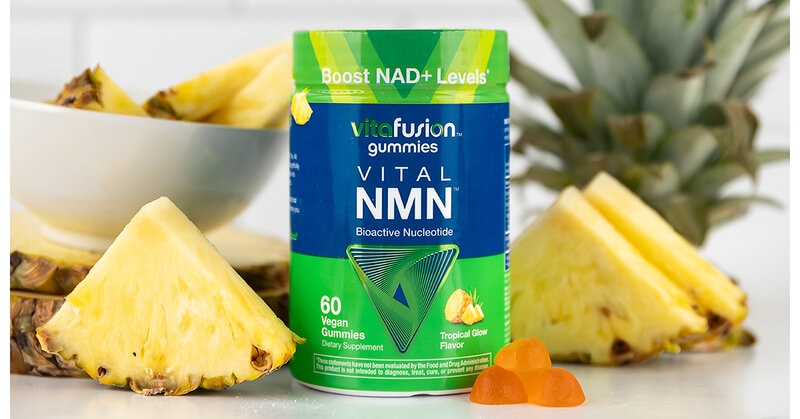
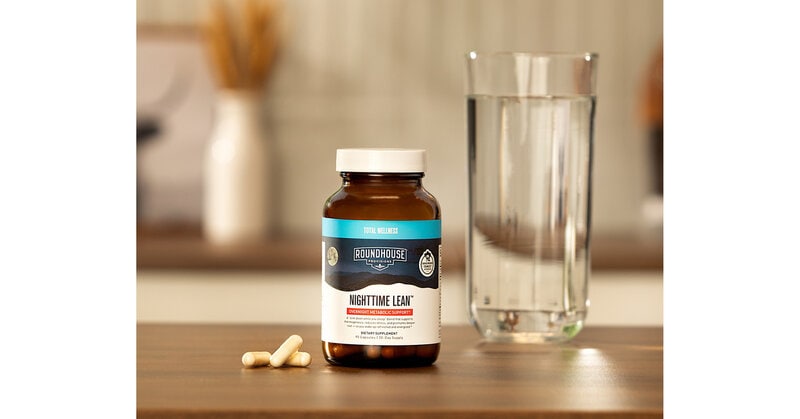
Aging Nutrition
Everyday wellness products target later-life needs with easier formats
Nutrition brands are segmenting broad wellness promises into niches that package age-related support around specific life-stage concerns such as brain function, metabolic health, longevity, and healthy aging.
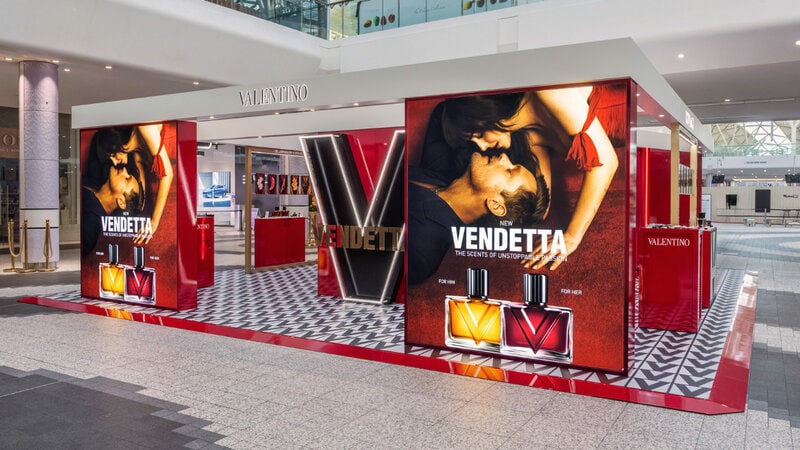
Sensory Discovery
Brands turn intangible products into immersive, social rituals
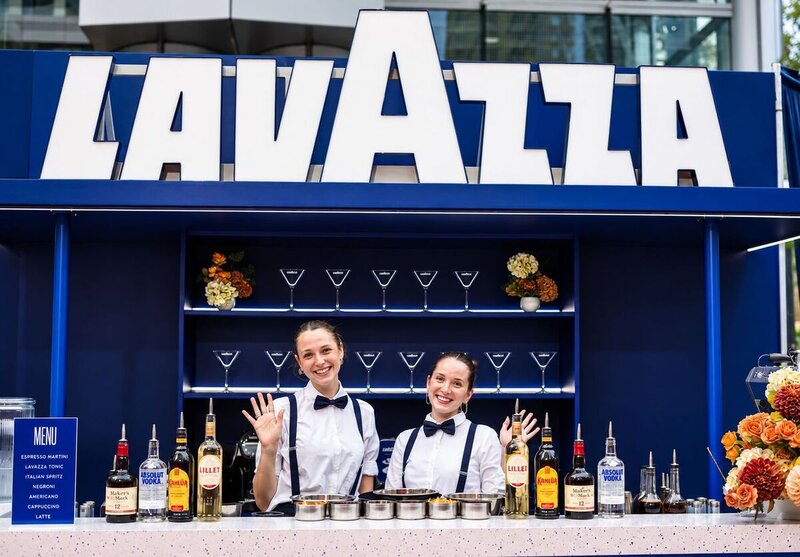
Fragrance brands are using events, installations, and hospitality-style experiences to make scent discovery more engaging and memorable. By framing fragrance through mood, ritual, travel, and creative storytelling, they give shoppers a richer way to explore an intangible category.
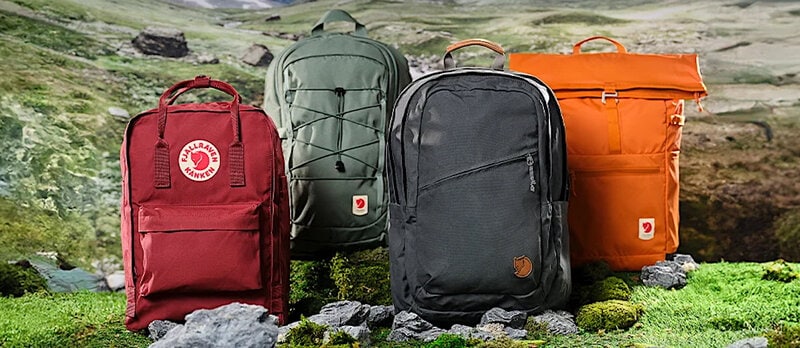
Flagship Theatrics
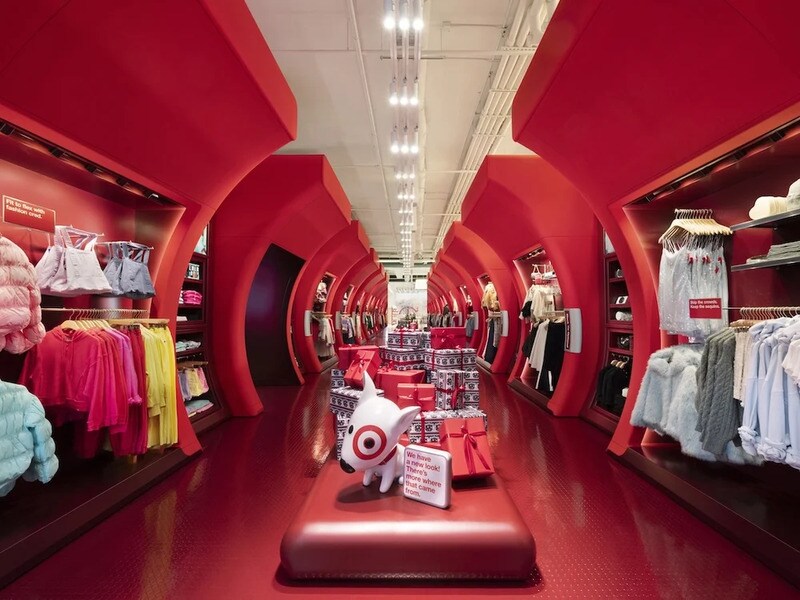
Stores become destinations for interaction, leisure, and validation
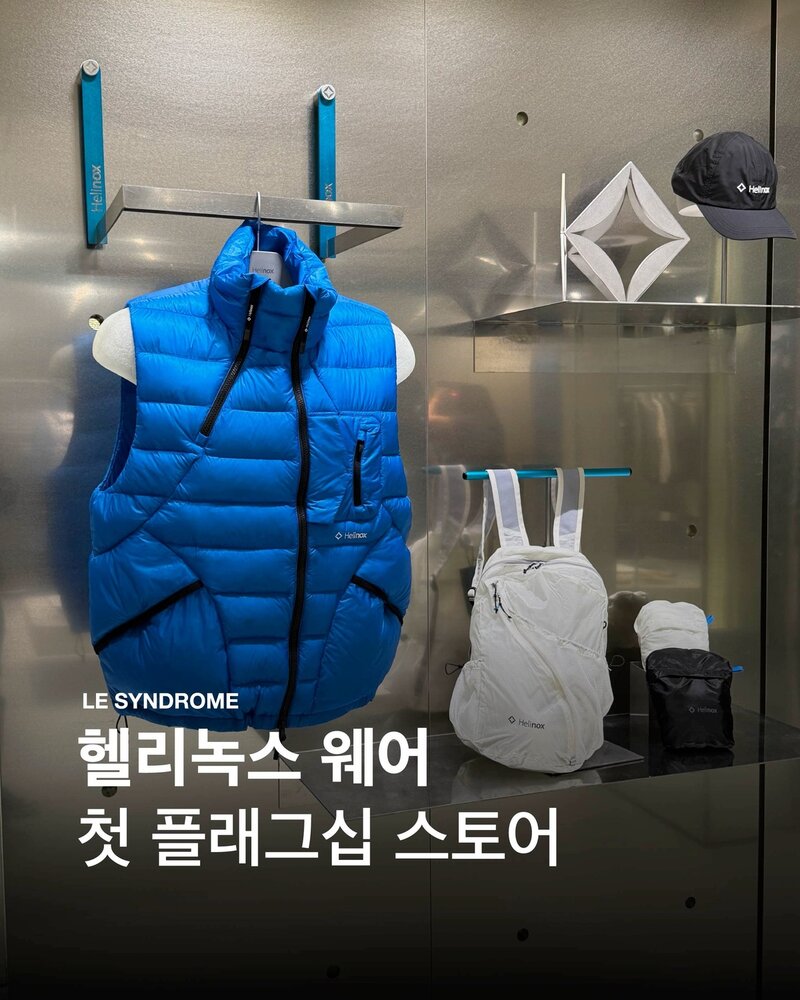
Retailers are borrowing cues from hospitality, entertainment, and gallery-style merchandising to make large-format locations feel curated, interactive, and socially usable.
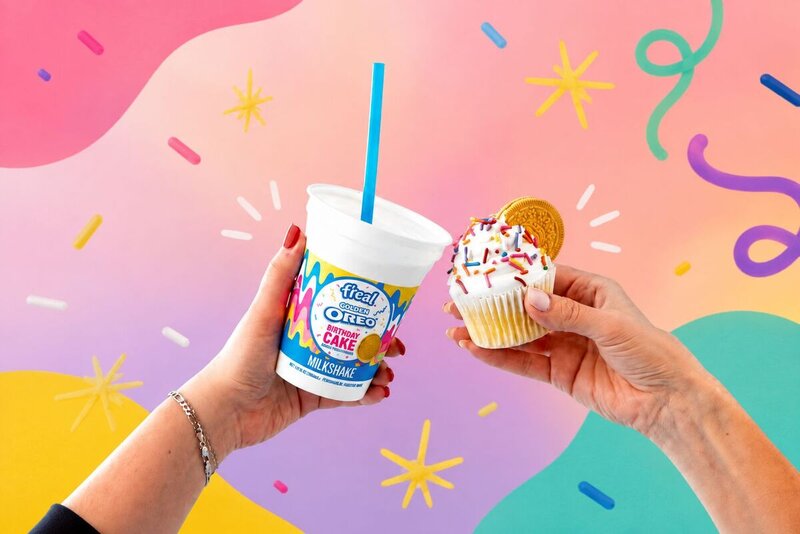
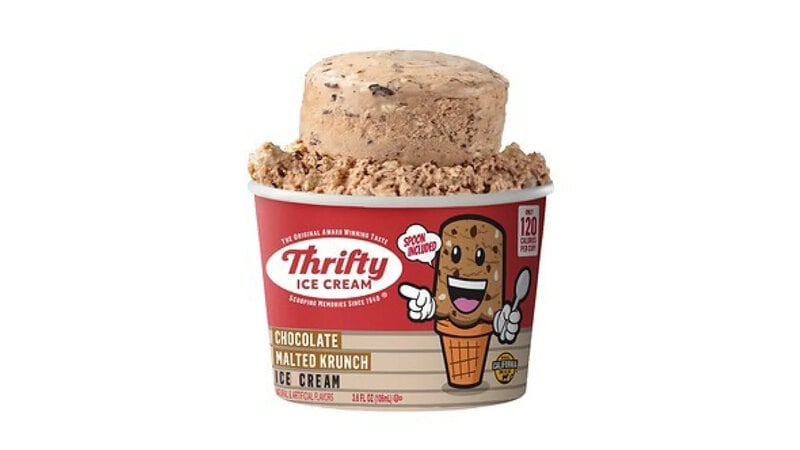
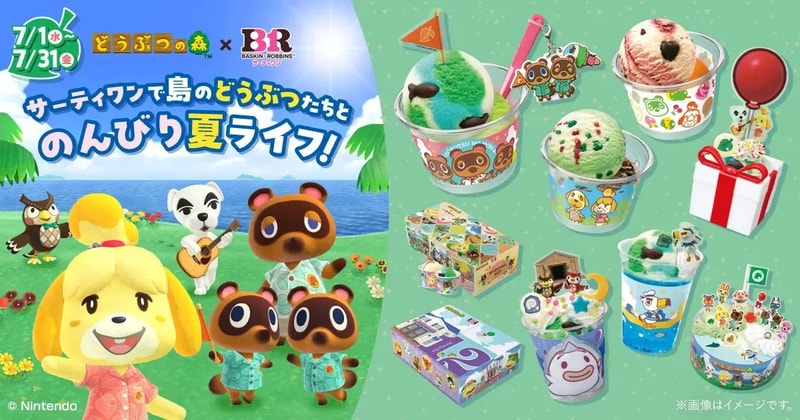
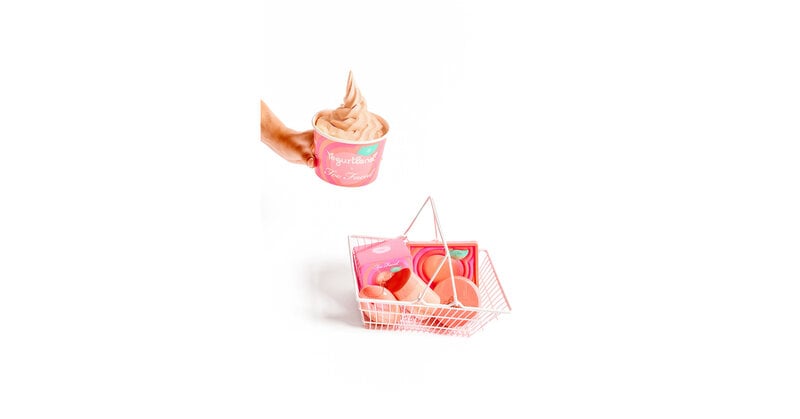
Cultural Confections
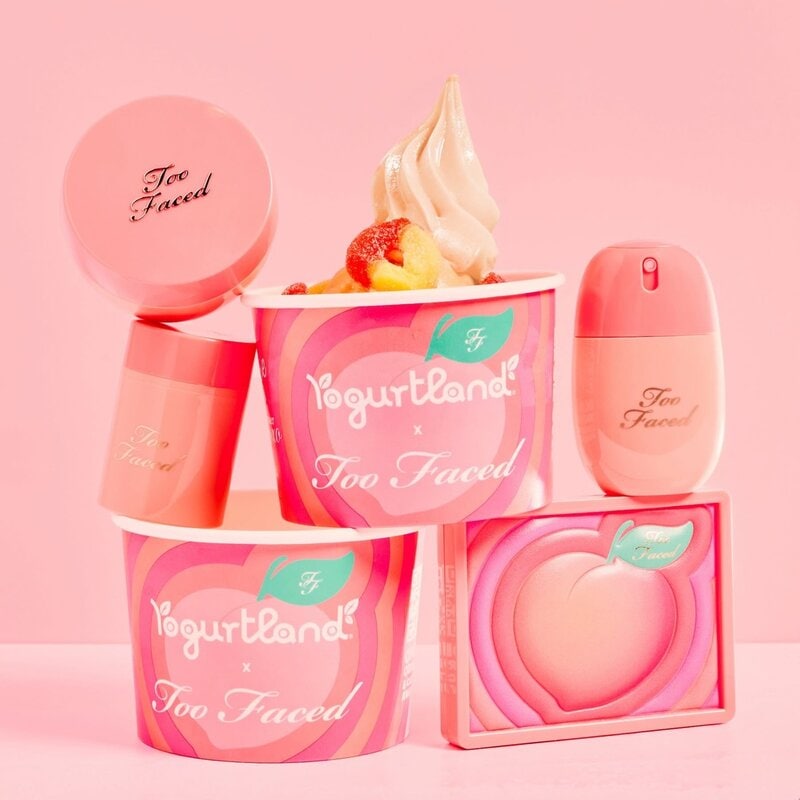
Brands refresh familiar treats with timely crossover cues
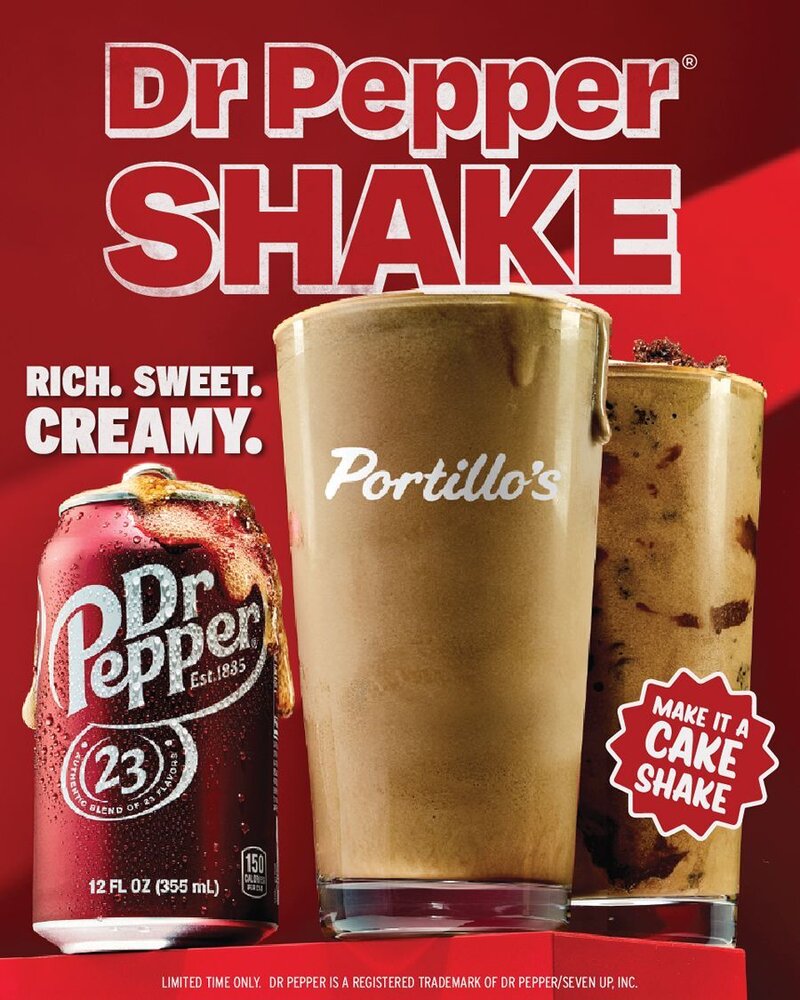
Dessert and frozen treat innovation is increasingly driven by cultural references as much as flavor, with brands drawing on seasons, lifestyle moments, rituals, and adjacent food occasions to create relevance.
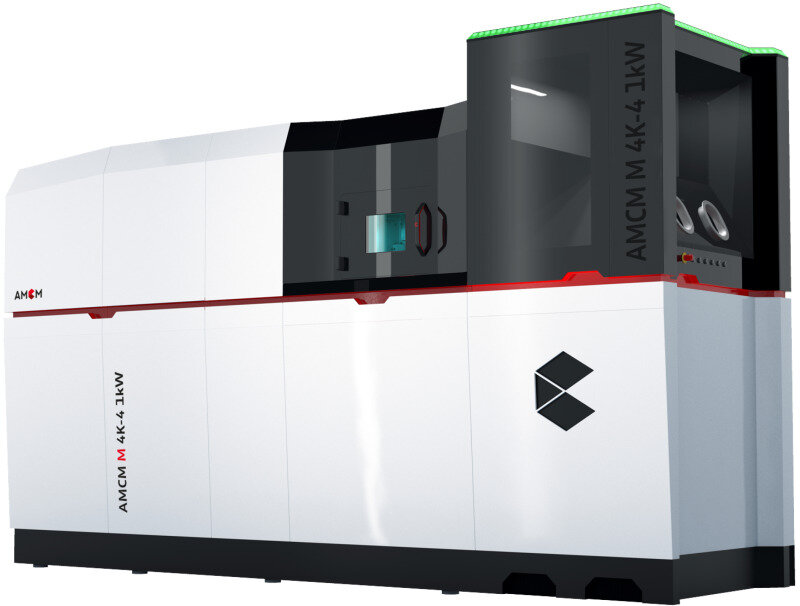
Metal Manufacturing
Industrial additive systems bring production closer to demand
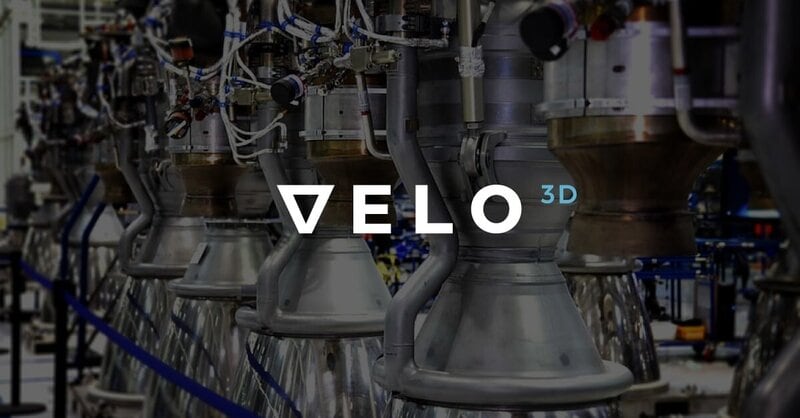
Metal additive manufacturing is shifting from a prototyping tool to a production-grade solution built for localized, on-demand manufacturing. New systems are being engineered for higher-throughput, factory-ready workflows rather than one-off parts.
Festival Immersion
Brands turn film screenings into multisensorial cultural touchpoints
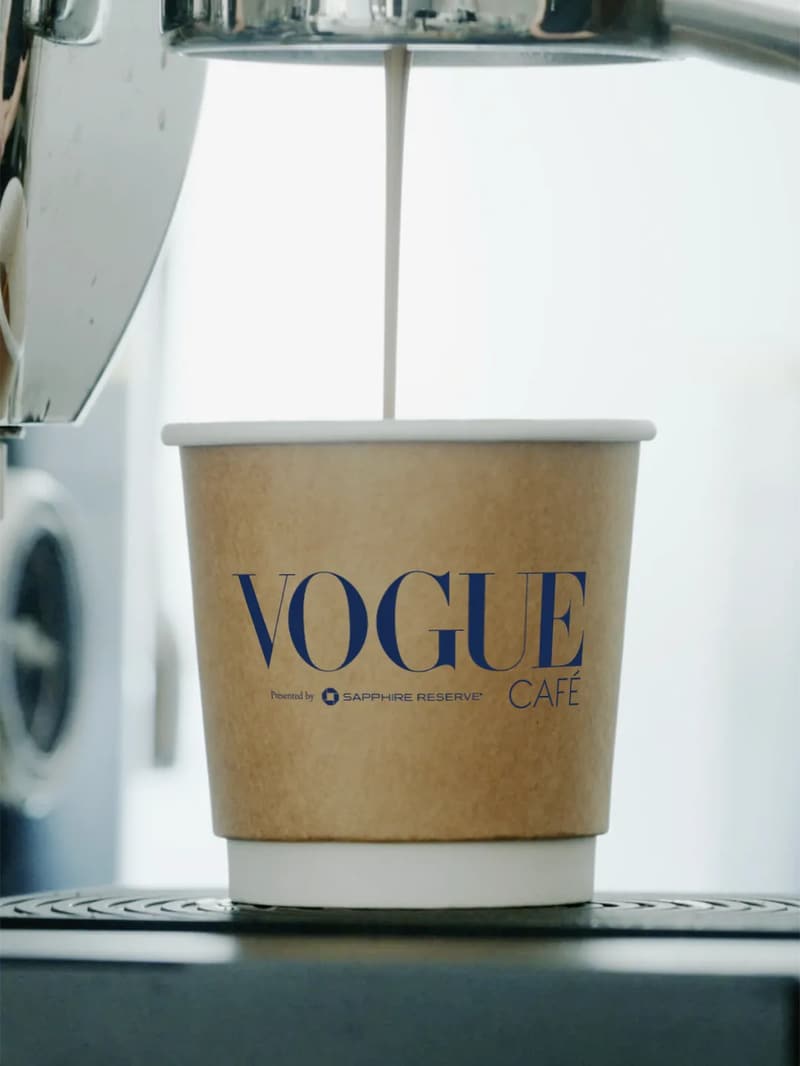
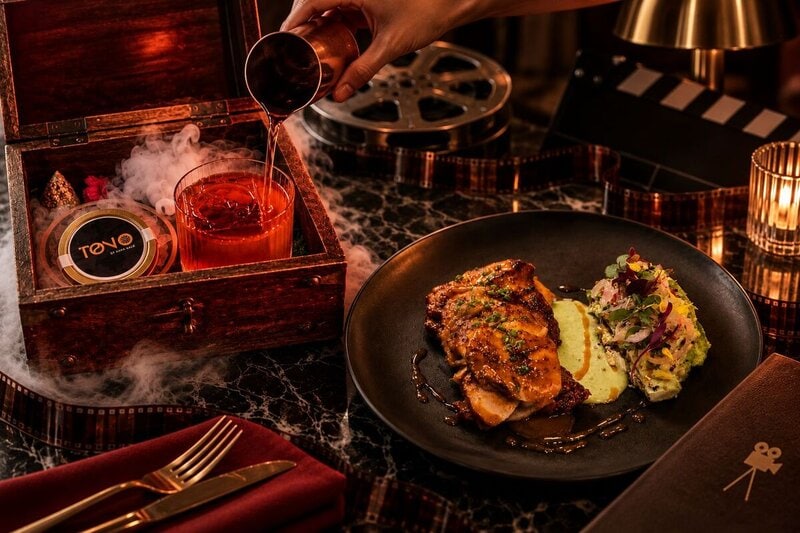
Brands are launching film festival activations that blend viewing culture with food, drinks, design and community, complementing a traditionally seated media format with a multisensory component that shapes mood and builds a memory around the experience.
Trend clusters, answered
What is a trend cluster?
A group of related innovations that point to the same shift in consumer behavior, built from evidence articles in the Trend Hunter database and tagged against the Patterns of Opportunity and Megatrends framework.
How is a trend cluster scored?
Each cluster carries a trend score out of 10, calculated from the popularity, activity and freshness of its evidence articles. Scores refresh daily, and clusters that hold a strong score week after week get a persistence boost.
What are the six Patterns of Opportunity?
Convergence, Divergence, Cyclicality, Redirection, Reduction and Acceleration. Each describes a way consumer behavior shifts, and each branches into three megatrends.
Who uses Trend Hunter trend clusters?
Innovators, entrepreneurs and creative minds who need evidence of emerging opportunities, from product teams to strategists running innovation workshops.