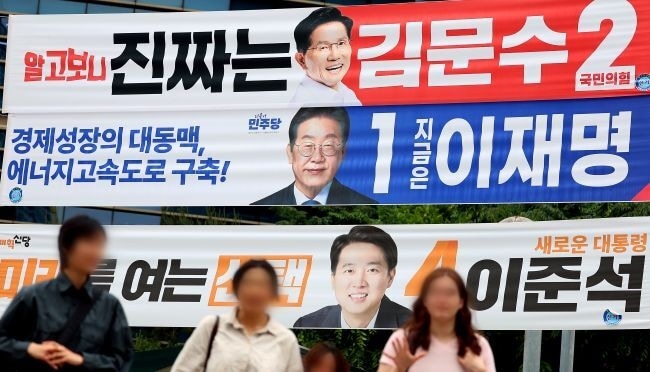
The South Korean government has partnered with local authorities and private sector leaders to transform discarded election banners into valuable materials for various industries.
The Ministry of the Interior and Safety officially announced the signing of the multi-stakeholder pact. This collaboration brings together four industry leaders: SK Chemicals, Sejin Plus, Revelop, and Kakao—alongside five local governments, including Sejong City and Gangneung in Gangwon Province.
Each year, South Korea generates approximately 6,000 tons of banners used for political and public events, with an estimated 70% ending up incinerated or buried, adding to carbon emissions and environmental pollutants. With banner production expected to surge ahead of the 2025 presidential election and the local elections scheduled for June 2026, this initiative aims to foster a circular economy.
Image Credit: Yonhap News Agency
Key Themes Behind This Trend
- Circular Economy Adoption
- The initiative to repurpose election materials underlines a growing trend towards sustainable circular economies that minimize waste by reusing materials in new products.
- Collaboration Between Sectors
- The partnership between government and industry leaders highlights a trend of cross-sector collaborations to tackle environmental issues effectively.
- Sustainable Material Innovation
- Transforming election banners into useful products showcases an emerging trend of innovative approaches in the development of sustainable materials.
Where This Applies
- Recycling
- The transformation of election banners into reusable materials offers disruptive potential for the recycling industry to expand its scope beyond traditional materials.
- Waste Management
- This initiative in South Korea reflects an industry shift towards integrating innovative waste-to-resource practices in waste management companies.
- Environmental Services
- The collaboration aims to leverage innovative environmental services that focus on reducing carbon emissions through creative material reuse.