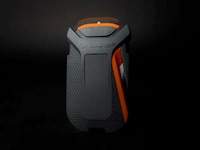
The X-gate door is going to help people out in a particularly difficult situation. There are a lot of things that can and will go wrong in an earthquake -- one of those things is entrapment. Being caught inside a destroyed building can be very similar to being caught under snow in an avalanche -- there isn't much you can do.
If you're caught underneath or by a door it would be perfect for that door to be the X-gate. The door is easily shatter-able so if caught underneath it, the entrapped individual can use that door to get out.
You won't necessarily be able to get out of the rubble with the X-Door, but it can free up space and help with rescue ops.
What's Driving This Trend
- Disaster Escape Doors
- The development of more durable and easily shatter-able doors that allow entrapped individuals to escape presents an opportunity for innovation and growth in the disaster preparedness industry.
- Earthquake Resistant Architecture
- The need for buildings and structures that can better withstand earthquakes creates an opportunity for disruptive innovation in building materials and construction methods.
- Emergency Response Equipment
- The X-gate door demonstrates a demand for emergency response equipment that can aid in disaster relief efforts, presenting opportunities for innovation in this industry.
Who This Affects Most
- Construction
- The construction industry can benefit from opportunities to innovate and provide earthquake-resistant building solutions.
- Disaster Preparedness
- Companies in the disaster preparedness industry can leverage the need for escape doors and emergency response equipment to create new products and services.
- Architecture
- Architects can incorporate earthquake-resistant building design elements to enhance building safety, creating opportunities for innovation and growth in the industry.