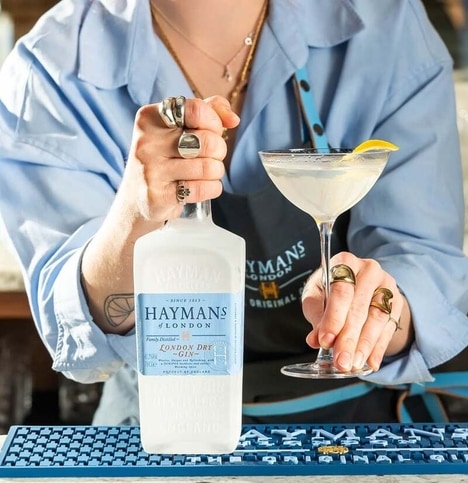
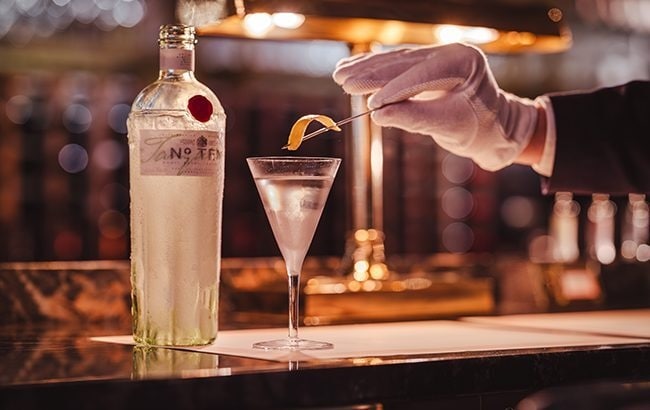
The Bob Bob Ricard World's Coldest Martini has been debuted by the London-based establishment as an extremely frigid tipple crafted with record-breaking temperatures in mind. The cocktail starts off by having guests choose either Reserve Vodka to Tanqueray 10 gin as the case spirit, which are both used in a dry recipe to honor the classic martini.
The cocktail is garnished with either a lemon twist or an olive and is crafted without any ice or dilution before being frozen directly in the bottle. The cocktail is then served by a white-gloved waiter directly from the bottle to a frozen glass at a temperature of -22-degrees Celsius.
The Bob Bob Ricard World's Coldest Martini was developed through a blend of science and mixology experimentation to maximize appeal amongst spirit connoisseurs.
Key Themes Behind This Trend
- Extreme Temperature Cocktails
- The pursuit of record-low service temperatures suggests new product categories that reframe sensory expectations and premiumization in beverage experiences.
- Frozen-from-bottle Serving
- This practice of freezing cocktails directly in their packaging indicates possibilities for sealed, temperature-stable servings that alter freshness perceptions and supply-chain logistics.
- Science-forward Mixology
- Mixology informed by experimentation and thermodynamics highlights opportunities to commercialize laboratory-grade techniques for consistent, novel flavor and mouthfeel profiles.
Where This Applies
- Fine Dining Restaurants
- High-end restaurants show potential to differentiate guest experiences through ultra-cold beverage offerings that emphasize ritual, presentation, and exclusivity.
- Premium Spirits Producers
- Luxury spirit brands face opportunities to develop formulations and packaging optimized for sub-zero service that reinforce provenance and technical craftsmanship.
- Foodservice Equipment Manufacturers
- Manufacturers of chillers and glassware may find demand for specialized freezing, storage, and serving equipment tailored to maintain extreme temperatures reliably in commercial settings.