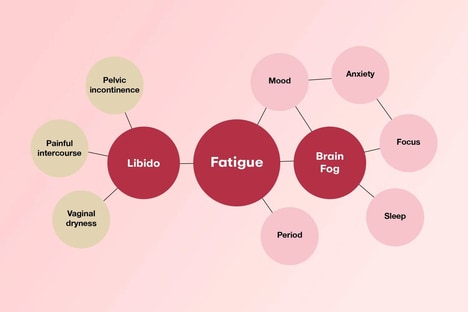

Flo Health and Mayo Clinic clinicians created ‘Peri-SS,’ a validated perimenopause questionnaire that gives women a more precise way to log changing symptoms than older menopause scales built around postmenopausal groups. The 16-item format supports Flo’s in-app ‘Peri Score’ and is built for both clinical research and digital self-tracking.
Its validation study surveyed U.S. women ages 35 to 59. A 30-day recall window makes room for the stop-start nature of perimenopause, and the scale includes symptoms like weight changes and digestive issues that older options can miss.
Flo Health shows how a 16-item format can turn a hard-to-describe life stage into a repeatable digital check-in, giving women’s health apps a sturdier basis for longitudinal tracking and symptom education, while linking the scale to Flo’s Peri Score moves perimenopause support toward a standardized product layer inside consumer health platforms rather than a one-time questionnaire.
Image Credit: Flo Health Inc.
What Makes This Trend Stand Out
- Validated Symptom Scoring
- Clinically tested questionnaires create room for consumer health platforms to deliver more credible, repeatable tracking tools for complex life-stage symptoms.
- Perimenopause Personalization
- Digital scoring systems tailored to midlife hormonal changes highlight opportunities for more precise education, triage, and longitudinal support in women’s health.
- Research-backed Self-tracking
- Validated in-app assessments bridge clinical research and everyday wellness behavior, opening new pathways for health apps to become trusted data sources.
Sectors Adopting This
- Women’s Health
- Standardized perimenopause measurement strengthens the foundation for products that address underserved midlife health needs with greater specificity.
- Digital Health
- App-based clinical scales introduce new product layers where symptom logging, education, and care navigation can be integrated into daily user experiences.
- Clinical Research
- Consumer-generated symptom data from validated tools expands the potential for longitudinal studies that better reflect real-world patient experiences.