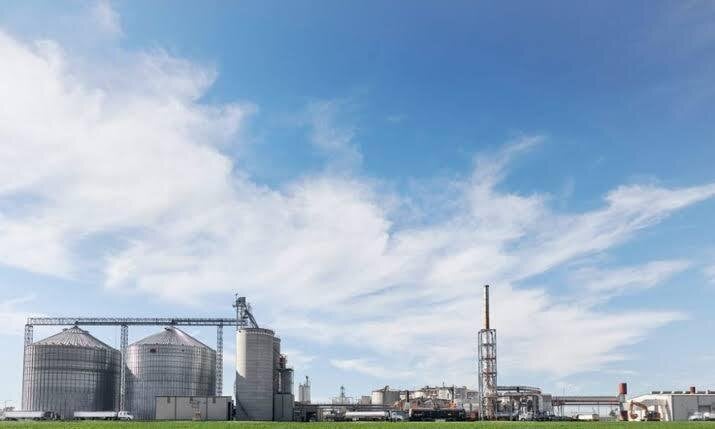
PureField Ingredients introduced Protein+, a U.S.-produced wheat protein platform designed to combine ingredient functionality with domestic sourcing, supply-chain transparency and lower carbon intensity. Produced at the company’s Russell, Kansas operations, the platform uses locally grown wheat and supports applications including baked goods, cereals, plant-based meat alternatives and pet nutrition.
PureField’s integrated production model incorporates carbon capture and sequestration into wheat protein manufacturing at scale. The company says it captures and permanently stores more than 99% of the CO2 generated through fermentation, contributing to more than a 50% reduction in carbon intensity compared with many imported alternatives. The Russell site also operates Kansas’ first Class VI injection well.
For food manufacturers, Protein+ offers a domestically sourced wheat protein option that combines functional performance with measurable emissions reductions. The approach reflects growing demand for ingredients that support both formulation requirements and long-term sustainability targets.
Image Credit: PureField Ingredients
Key Themes Behind This Trend
- Low-carbon Proteins
- Food brands gain access to performance ingredients that pair formulation reliability with measurable emissions reductions across mainstream product categories.
- Domestic Ingredient Sourcing
- Localized wheat protein production reduces exposure to import volatility while strengthening transparency expectations in ingredient procurement.
- Functional Plant-based Inputs
- Wheat protein platforms create new possibilities for texture, nutrition and processing performance in baked goods, cereals, meat alternatives and pet foods.
Where This Applies
- Food Ingredients
- Suppliers are differentiating commodity-adjacent proteins through sustainability metrics, traceable sourcing and application-specific functionality.
- Plant-based Foods
- Manufacturers benefit from protein inputs that improve texture and scalability while supporting lower-carbon positioning in competitive alternative-protein markets.
- Carbon Management
- Industrial fermentation sites with integrated capture and sequestration illustrate how emissions infrastructure can become part of ingredient value propositions.