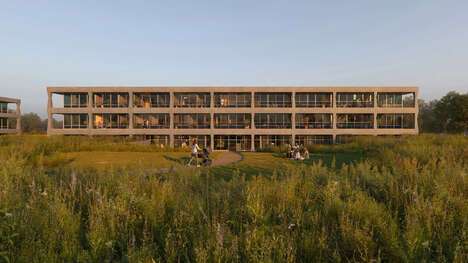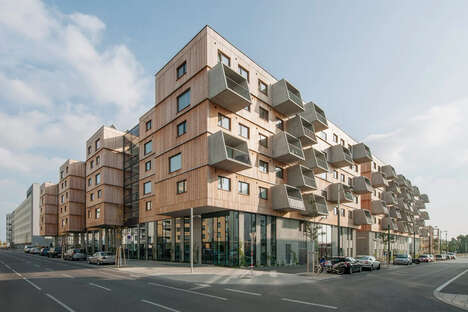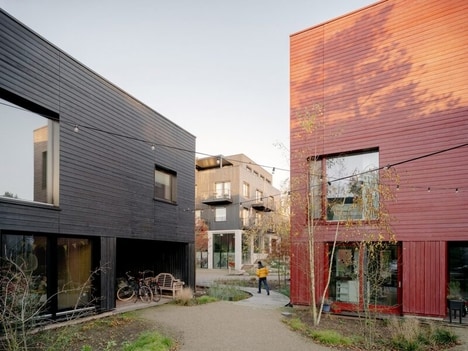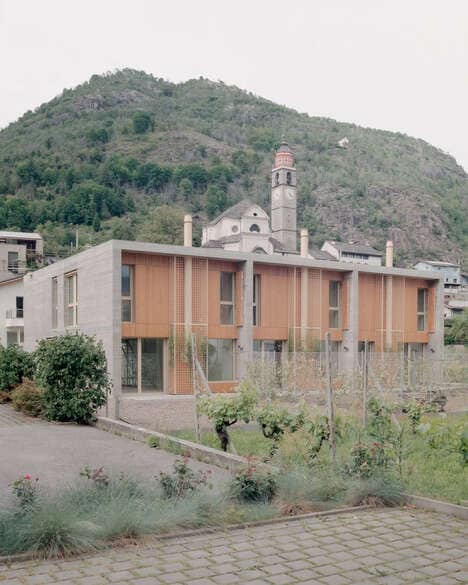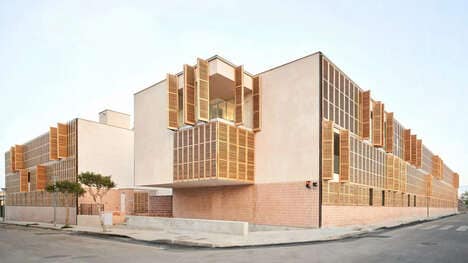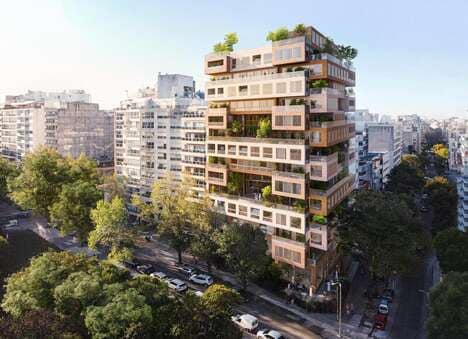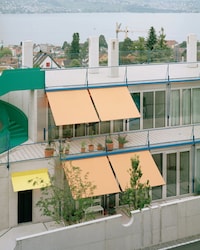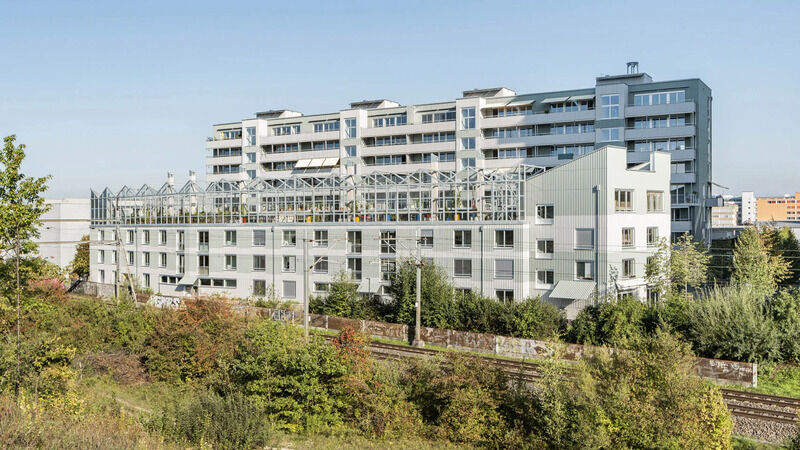
Architecture studio Conen Sigl completes the Westhof, which is a cooperative housing block by Zuich. It is complete with a greenhouse-style pergola that is integrated to honor the area's history rooted in both industrial and agricultural foundations. The block has 87 flats with six commercial units and is part of a larger transformation project of turning the area into a residential community.
Conen Sigl speaks to Dezeen about the design project, noting "Inspired by the site's history as a plant nursery, the cooperative housing project with complementary communal uses creates an identity-forming place that fosters a strong sense of community and ecological connectivity. With its robust and simple materialisation, it echoes the functionality of the previous structure, while the proximity to a nature reserve reinforces its connection to the area's ecosphere."
What Makes This Trend Stand Out
- Greenhouse-integrated Designs
- Combining industrial elements with greenhouse features creates versatile living spaces that honor historical roots and ecological practices.
- Community-centric Housing Blocks
- Designing housing units that include communal spaces fosters stronger neighborhood bonds and cultural cohesion.
- Ecological Urban Transformations
- Transforming industrial areas into residential communities with a focus on ecological connectivity rejuvenates urban spaces sustainably.
Sectors Adopting This
- Architecture and Design
- The integration of historical and ecological elements in design strikes a balance between functionality and sustainability.
- Real Estate Development
- Developing residential properties with mixed-use spaces and communal facilities attracts diverse demographics and enhances community living.
- Urban Planning
- Planning urban transformations that incorporate green and communal spaces helps create more livable and eco-friendly urban environments.