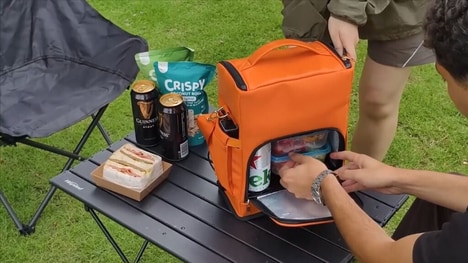
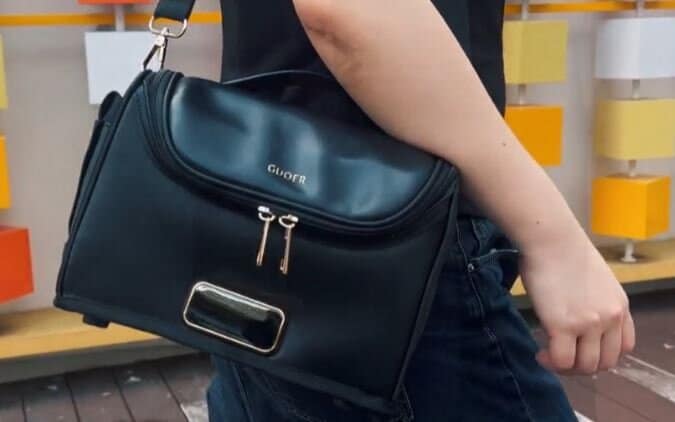
GUGG turns portable food storage into something you can wear with the Crossbody Cooler & Warmer, a compact bag that lets you carry drinks or snacks hot or cold without hauling a hard cooler. Its crossbody design makes the category feel more like an everyday carry item than the car- or RV-focused mini fridges that usually handle this job.
A reflective liner helps maintain the chosen temperature, keeping the bag focused on preserving what is already packed rather than asking users to add more gear around it. Its 4 L capacity also keeps the format personal, making it better suited to a few essentials than the kind of cooler meant for a group.
For shoppers, this means insulated carry can move beyond road-trip duty and into everyday routines where a full-size cooler feels excessive. The convergence of bag and appliance gives small-format food storage a more lifestyle-friendly role.
Image Credit: GUGG
What's Driving This Trend
- Wearable Food Storage
- Personal insulated bags are reframing temperature-controlled food transport as an everyday accessory, creating openings for lifestyle-driven formats that blend utility with apparel-inspired convenience.
- Micro-cooling Mobility
- Compact cooler and warmer designs support solo routines such as commuting, errands, and outdoor breaks, signaling demand for smaller portable appliances that fit fragmented daily lifestyles.
- Lifestyle Appliance Hybridization
- The merging of bag design with food-preservation functionality points to a broader shift where practical appliances adopt fashion, portability, and personal-use cues.
Who This Affects Most
- Portable Cooler Industry
- Traditional cooler brands face whitespace in lightweight, body-worn formats that serve individual consumers outside road trips, camping, and group recreation.
- Everyday Carry Industry
- Bag makers can expand into functional storage systems as consumers look for accessories that manage meals, beverages, and temperature needs during daily movement.
- Outdoor Recreation Industry
- Smaller insulated carry products align with casual outdoor participation, where convenience-focused gear supports short excursions rather than equipment-heavy adventures.