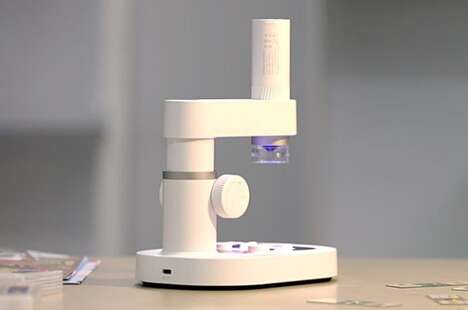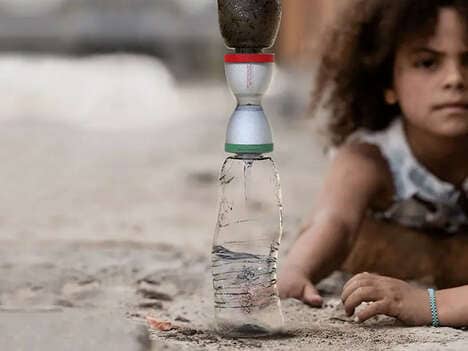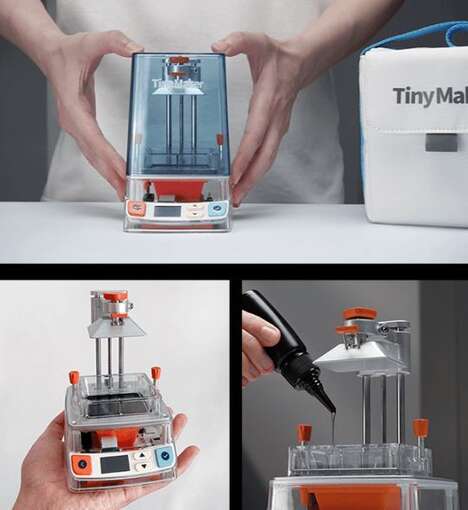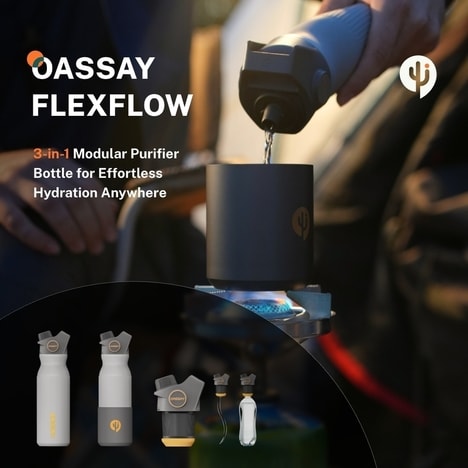

In a move that could have significant implications for providing accessible drinking water, this 3D printed microscope can easily be turned into a water testing kit you can use anywhere.
The instructions for the OpenFlexure Microscope can be found on GitHub. Using a 3D printer, you can make your own. When combined with a small Raspberry Pi-powered camera, the device is capable of examining bacteria cells.
This kit could greatly reduce the cost of water testing in developing countries, which would also have an impact on health care and water-borne illnesses. It is currently being tested by British charity Oxfam. Developed by Cambridge University researchers, the printable water testing kit is part of the WaterScope project. The cheap, quick and simple test allows more tests to be completed in less time as well.
What Makes This Trend Stand Out
- 3D Printing for Water Testing Kits
- Using 3D printing technology to create affordable water testing kits for developing countries could greatly reduce costs and improve health outcomes.
- Mobile Microscopes
- The OpenFlexure Microscope can be easily transported and assembled, making it an ideal tool for field research and medical diagnosis.
- DIY Science Equipment
- With the availability of open-source instructions and 3D printing technology, creating scientific equipment can be more affordable and accessible than ever before.
Sectors Adopting This
- Healthcare
- Low-cost water testing kits and portable microscopes can greatly improve health outcomes in developing countries.
- Water Treatment
- The WaterScope project and its 3D printed microscope kit can help improve water quality testing and treatment in areas with limited resources.
- Scientific Research
- The OpenFlexure Microscope and other DIY scientific equipment can enable greater access and affordability for research and experimentation worldwide.