
Accessible vision support platforms are helping people experiencing low vision find practical guidance earlier in their vision journey. Braille Institute has launched Vision Support America, a free national initiative offering online educational workshops, practical videos, educational guides, a toll-free helpline and referrals to local services. Participants can also access a private Facebook community for questions and peer support, with book chats and low-vision support groups planned for the future. The platform is designed particularly for older adults seeking to maintain independence as their vision changes.
The initiative allows Braille Institute to extend more than a century of expertise beyond its existing programs and reach people regardless of location. Centralizing resources digitally can reduce barriers to accessing specialized support while helping the nonprofit scale its services efficiently. Vision Support America also supports Braille Institute’s broader goal of serving 200,000 people annually by 2030.
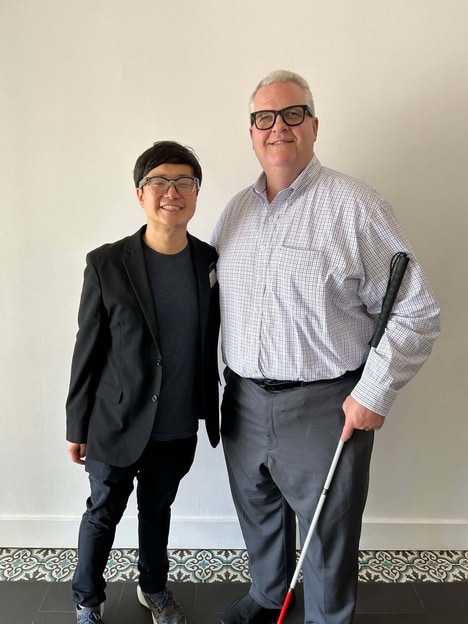
Image Credit: Braille Institute of America
What Makes This Trend Stand Out
- Digital Vision Navigation
- Centralized online hubs for low-vision guidance create room for personalized resource matching, earlier intervention, and scalable support beyond clinic-based care.
- Peer-led Accessibility Communities
- Private digital groups and virtual support formats point to new models of trust-based education, emotional support, and condition-specific community engagement.
- Aging-in-place Enablement
- Low-vision tools designed for older adults highlight growing demand for independence-focused services that combine education, referrals, and daily living support.
Sectors Adopting This
- Assistive Technology
- Accessible digital platforms can expand assistive ecosystems by connecting users with adaptive tools, training content, and localized service pathways.
- Nonprofit Services
- Mission-driven organizations are using scalable online infrastructure to extend specialized expertise nationally while reducing dependence on physical program locations.
- Senior Care
- Vision support resources integrated into aging services reflect a broader shift toward proactive, home-centered care models that preserve autonomy for older adults.