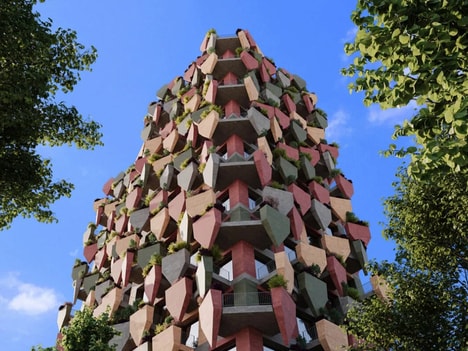
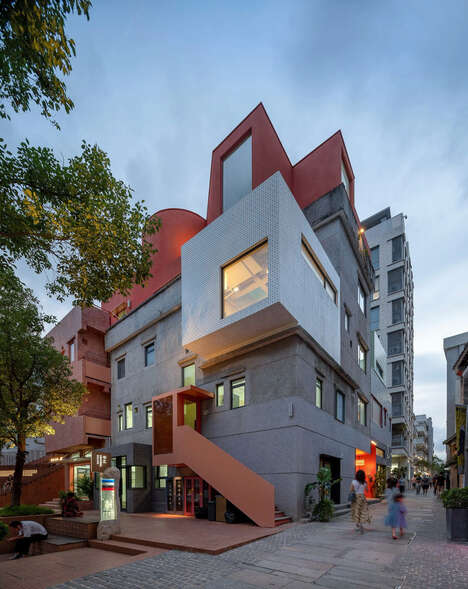
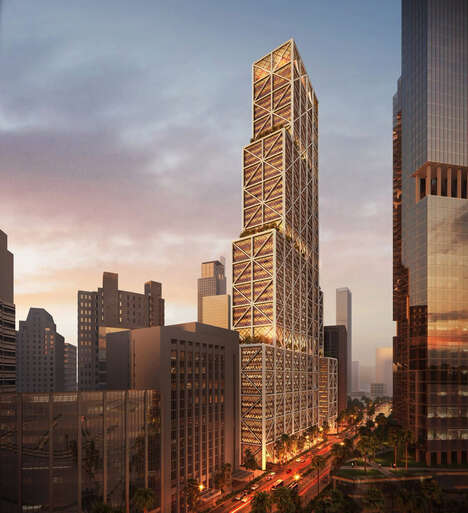
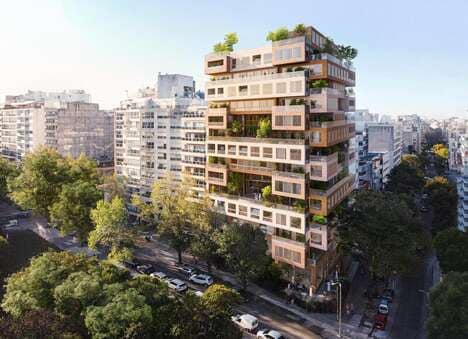
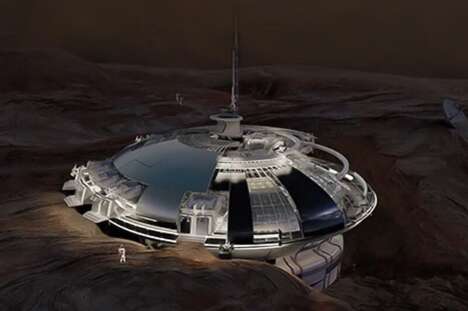
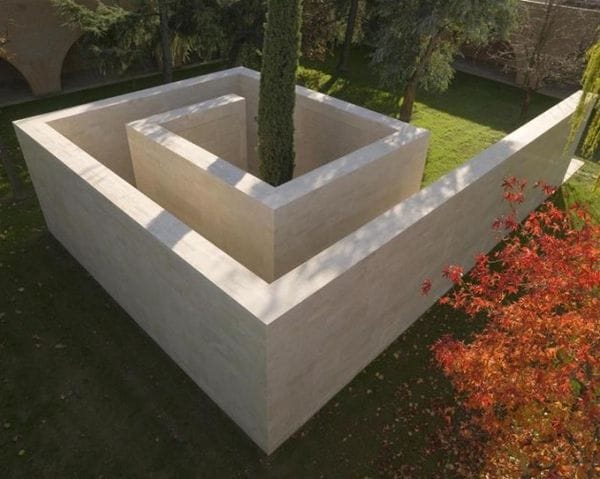
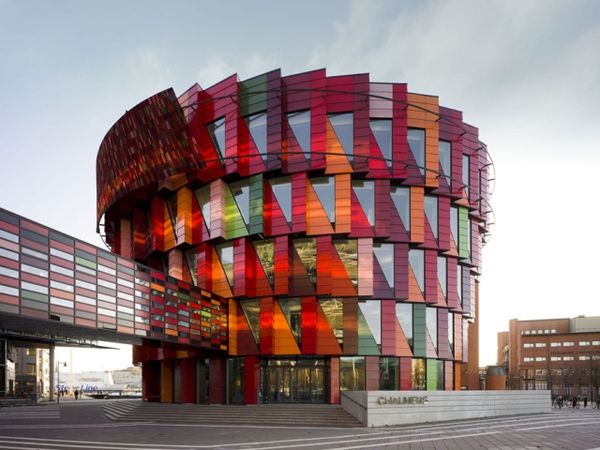
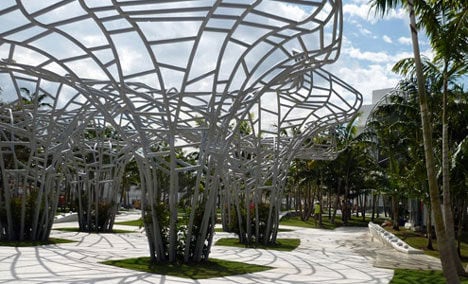
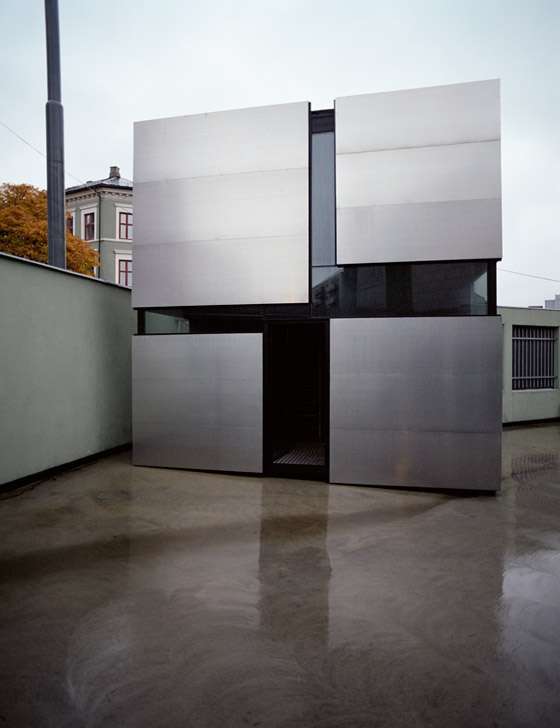
When I first looked at these UPI-2M Biooctanic buildings, I thought aliens had landed and were overtaking human societies. Perhaps I have watched too many 'Star Trek' episodes growing up (and later 'Battlestar Galactica'), but seriously, these cyborg structures are very off-putting to look at.
Yet, it appears that the UPI-2M Biooctanic buildings are actually for the betterment of our species (not, as I first imagined, to the conquering of them). According to DesignBoom.com, the Croatian architecture firm designed these superstructures to produce biofuel and city air recuperation. Visit DesignBoom.com for more info and images.
Key Themes Behind This Trend
- Biooctanic Buildings
- These cyborg structures present an opportunity for disruptive innovation in the field of sustainable architecture and urban development by combining energy production and air purification.
- Biofuel Production
- The UPI-2M Biooctanic buildings highlight a trend in the renewable energy industry, offering a disruptive innovation opportunity for the advancement of biofuel production methods.
- City Air Recuperation
- The concept of city air recuperation seen in the UPI-2M Biooctanic buildings represents a trend in urban environmental solutions, with potential for disruptive innovation in improving air quality in densely populated areas.
Where This Applies
- Sustainable Architecture
- The UPI-2M Biooctanic buildings showcase a disruptive innovation opportunity for the sustainable architecture industry by integrating advanced technologies for energy production and environmental benefits.
- Renewable Energy
- The development of biofuel-producing structures like the UPI-2M Biooctanic buildings presents a disruptive innovation opportunity in the renewable energy industry, contributing to a more sustainable and eco-friendly future.
- Urban Environmental Solutions
- The UPI-2M Biooctanic buildings demonstrate a disruptive innovation opportunity in the field of urban environmental solutions by introducing innovative methods for air purification and improvement in densely populated cities.