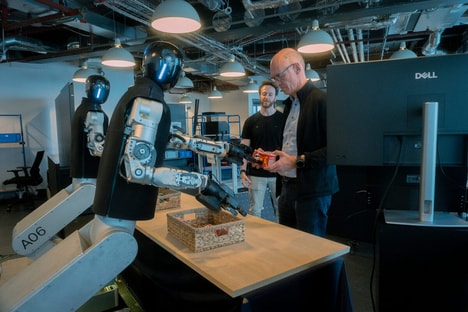
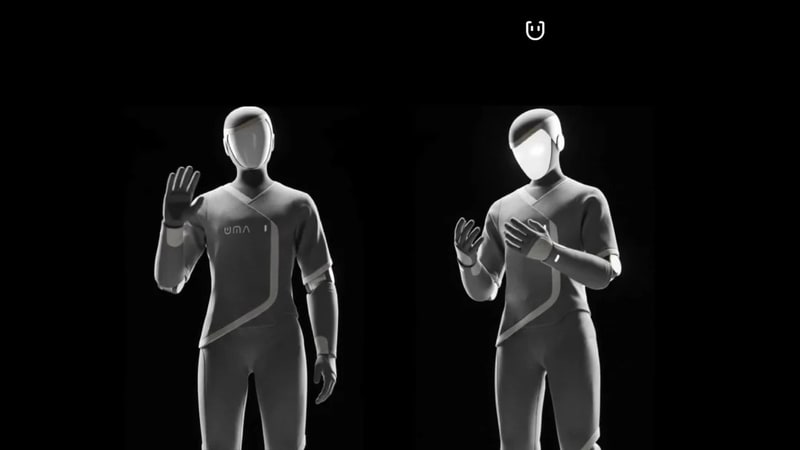
Traditional industrial robots are notoriously rigid, demanding extensive reprogramming every time a new task is introduced, but UMA Northstar is a new humanoid robot that upends this reality with a more adaptive, intuitive approach. UMA is a new venture from ex-Tesla engineer Rémi Cadène, and it employs Real-Time Learning so that Northstar can observe a person performing an activity, attempt to do the same, and improve through repetition. Cadène likens the process to a child learning to tie shoelaces: first, watching, then practicing, and refining the ability over time.
UMA, co-founded in 2025, already reports that it's in talks with around 50 prospective customers and plans to launch pilot programs in manufacturing, logistics, and healthcare by the end of 2026.
What Makes This Trend Stand Out
- Observational Robot Learning
- Humanoid systems that learn by watching human demonstrations reduce the need for specialized programming and make automation more accessible across variable work environments.
- Adaptive Humanoid Automation
- Flexible robots capable of practicing and refining tasks over time create new possibilities for workplaces where repetitive and changing manual duties coexist.
- Real-time Skill Acquisition
- Continuous learning loops allow machines to improve performance through repetition, opening pathways for faster deployment in roles that previously required lengthy configuration.
Sectors Adopting This
- Manufacturing
- Factories gain value from robots that can shift between assembly, handling, and inspection tasks without major reprogramming overhead.
- Logistics
- Warehousing and fulfillment operations benefit from adaptable humanoid labor that can learn diverse picking, sorting, and movement routines from human workers.
- Healthcare
- Care environments present opportunities for assistive robots that can observe staff workflows and gradually support routine physical tasks with greater contextual awareness.