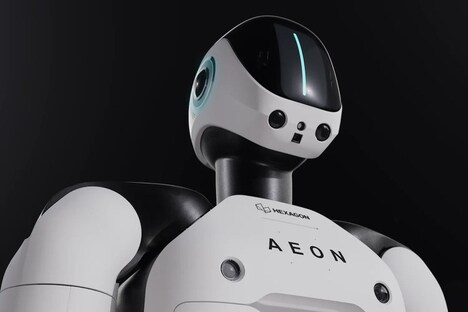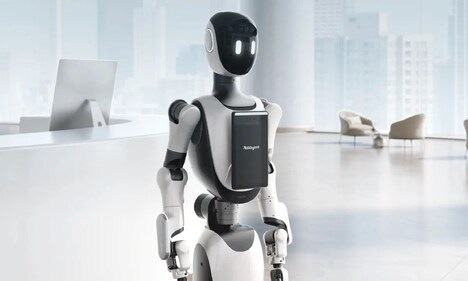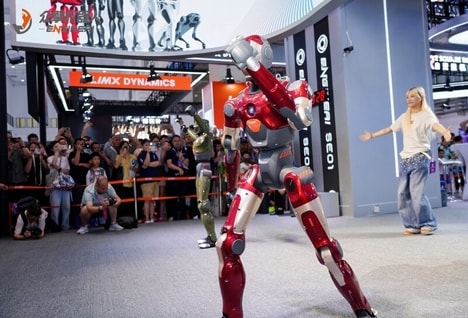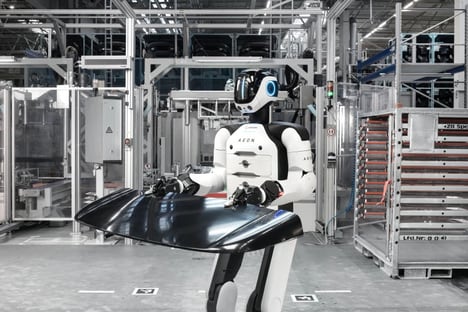
Human-level performance robotics is advancing rapidly as machines begin to match and even exceed human physical capabilities in real-world environments. In April 2026, at the Beijing E-Town Half Marathon in China, a humanoid robot developed by Honor completed the 21-kilometer race in just over 50 minutes, outperforming the human world record pace. This milestone highlights how far engineering, AI, and biomechanical design have progressed, with robots now operating effectively outside controlled lab settings.
For businesses, this signals a major shift in how physical labor and performance-intensive tasks may be approached. Industries such as logistics, manufacturing, and emergency response could benefit from machines capable of sustained, high-level output without fatigue. It also opens opportunities in sports technology and simulation. As these capabilities evolve, companies investing in advanced robotics may gain efficiency advantages while redefining the limits of machine performance.
Image Credit: Honor
Why This Trend Is Growing
- Real-world Robotics Performance
- Robots demonstrating top-tier capabilities outside labs create possibilities for machines to operate reliably in complex, uncontrolled environments previously reserved for humans.
- Endurance-capable Humanoids
- Sustained high-speed, fatigue-free operation by humanoids enables long-duration physical tasks that shift expectations for continuous labor and field deployment.
- Biomechanical-AI Integration
- Tightly coupled biomechanical design and adaptive AI control systems produce movement efficiency and decision-making that rival or surpass human performance.
Industries Being Reshaped
- Logistics and Warehousing
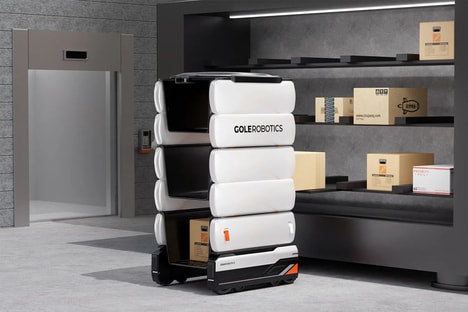
- Autonomous, endurance-capable robots offer the potential to maintain continuous handling and transport cycles, reducing downtime and labor variability in distribution centers.
- Emergency Response and Rescue
- Durable humanoids with real-world mobility could access hazardous or remote environments for extended periods, supporting search, extraction, and situational assessment.
- Sports Technology and Simulation
- High-performance robots provide new platforms for athlete benchmarking, equipment testing, and realistic simulation of human biomechanics at elite speeds.