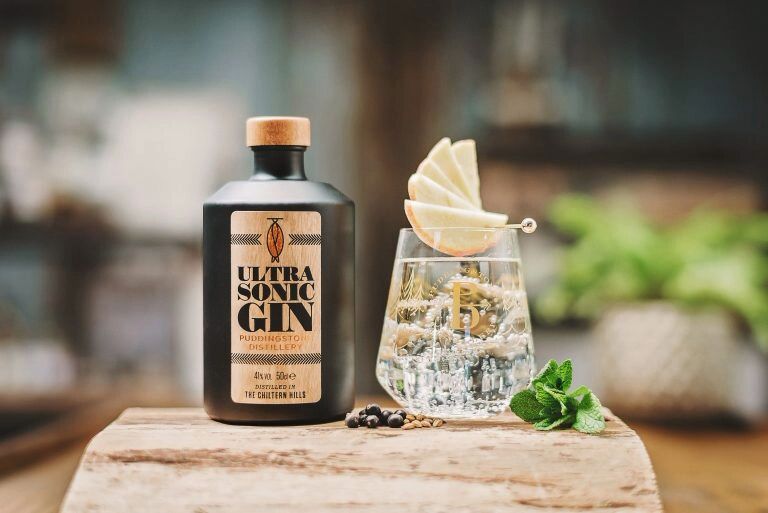
Ultrasonic Gin from Puddingstone Distillery was created in partnership with Herts and Middlesex Wildlife Trust and it's not just a gin spirit that's inspired by bats, it's one that's made with an ultrasound distilling method.
The gin spirit was based on the flight of native bats through the British countryside and it came to life thanks to a two-step process. Firstly, botanicals are macerated in alcohol and water while exposure to ultrasonic frequencies helps to release aromatic oils. Following this, the botanicals and extracted oils undergo a slow pot distillation process. Alongside juniper, the gin is said to share notes of sweet elderflower and roasted barley, with notes of apple and mint.
With every bottle sold, the charity’s important work protecting bats is supported.
What's Driving This Trend
- Bat-inspired Gin
- Incorporating unique inspirations and utilizing innovative distilling techniques can appeal to niche markets and promote social and environmental causes.
- Ultrasonic Distilling
- Expanding the use of ultrasonic frequencies in distilling processes can provide a new avenue for experimentation and innovation in the liquor industry.
- Botanical Maceration
- Using botanical maceration with ultrasonic frequencies can release aromatic oils and create unique flavor profiles for distilled spirits.
Who This Affects Most
- Distilled Spirits
- The liquor industry can benefit from incorporating unique and socially conscious themes, flavors and production techniques to appeal to niche markets.
- Environmental Charities
- Partnering with distilleries or other businesses to create innovative products can help support and promote environmental causes while providing new revenue sources.
- Ultrasonic Manufacturing
- Expanding the use of ultrasonic technology in various industries, including liquor production, can offer more efficient and sustainable processes with unique applications.