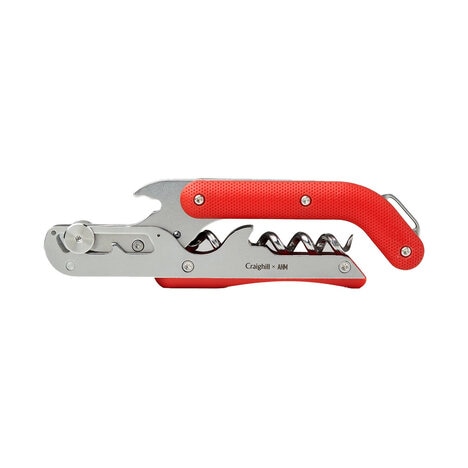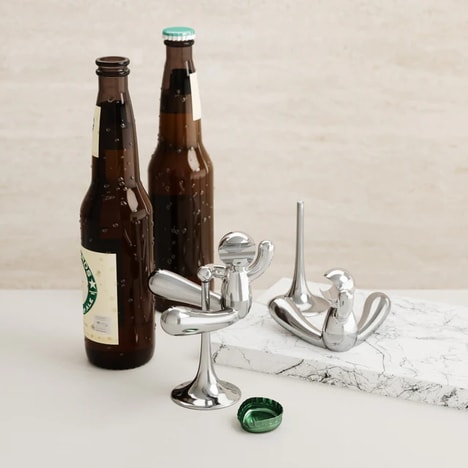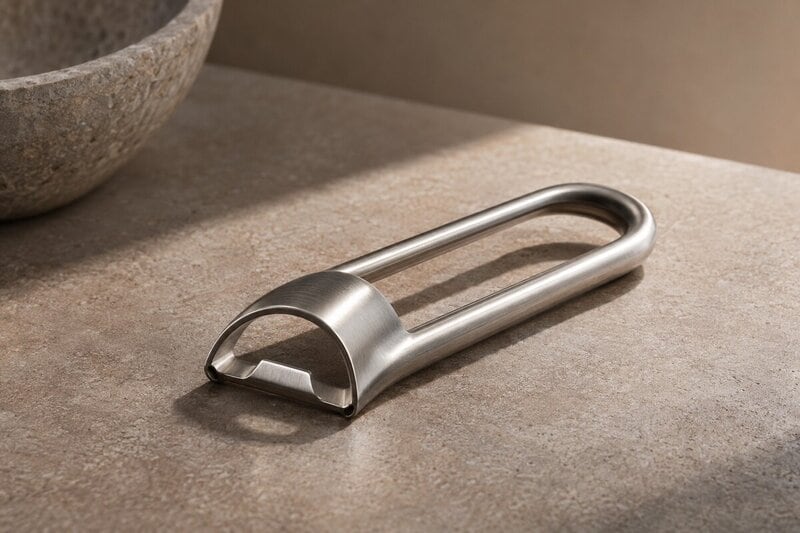
Hsinhung Chou designed ‘Clink’ for people opening soda or beer, shaping the stainless steel opener from round tube stock instead of cutting a flat blank and curving it later. The arched body gives the thumb a recessed contact point while the existing radius adds stiffness to a small hand tool.
‘Clink’ is made with laser tube cutting, a process that cuts shapes directly from hollow metal profiles without a new tool for each outline. That approach lets the tubing supply part of the form before production even starts. Chou has already batch-produced the opener and sells it for NT$1,280, about $38.
Chou shows how using stock tubing instead of custom tooling can turn a manufacturing shortcut into a design feature for small metal objects while keeping the production logic visible.
What Makes This Trend Stand Out
- Tube-stock Design
- Off-the-shelf hollow profiles are becoming visible product features, creating openings for lower-tooling-cost goods with distinctive structural identities.
- Laser-cut Metalware
- Flexible digital cutting methods support small-batch production of refined metal objects, enabling niche brands to compete without expensive dies or molds.
- Process-visible Products
- Manufacturing logic is increasingly expressed in final forms, giving everyday tools a stronger design story rooted in efficiency and material honesty.
Sectors Adopting This
- Consumer Goods
- Compact household accessories can gain premium appeal when simple functions are reinterpreted through unconventional stock materials and efficient fabrication.
- Metal Fabrication
- Tube laser cutting expands beyond industrial components into design-led products, broadening revenue potential for shops with flexible production capabilities.
- Beverage Accessories
- Bottle openers and bar tools are fertile ground for material experimentation, where small ergonomic improvements can support collectible and giftable product formats.