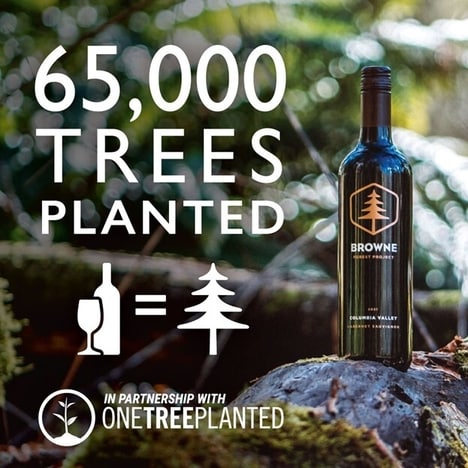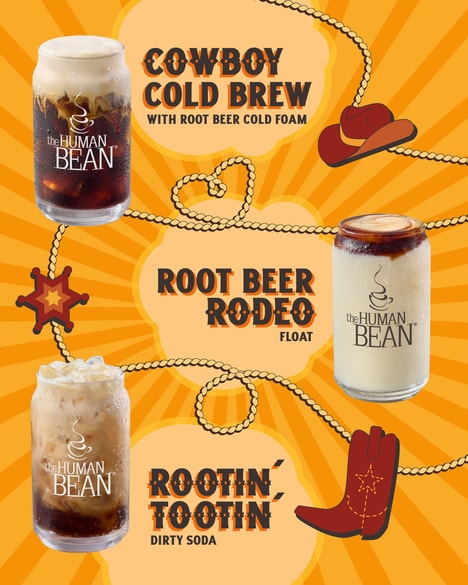
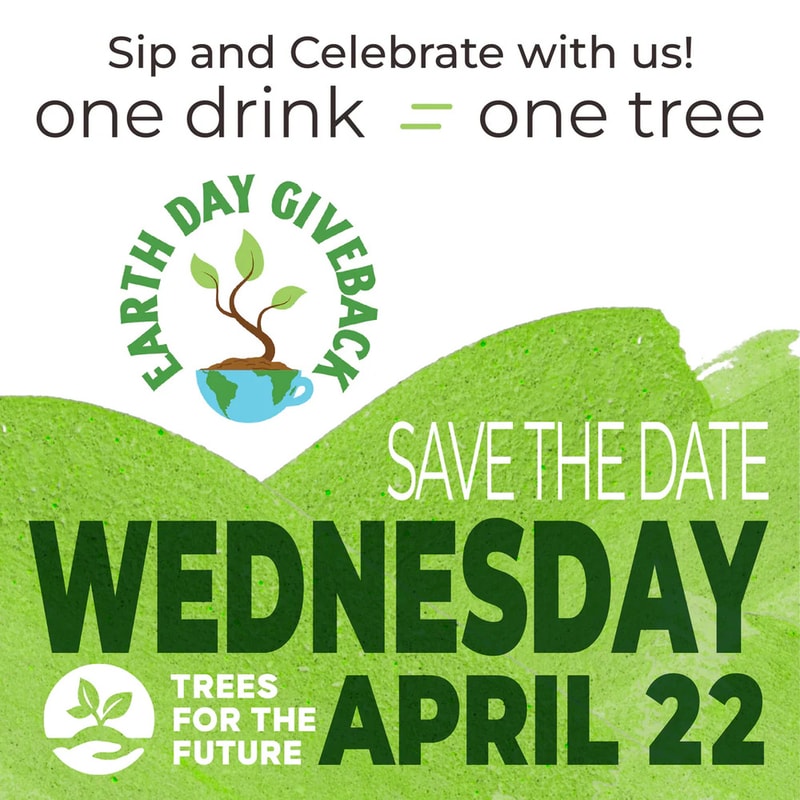
Tree-planting drink campaigns are redefining how everyday purchases contribute to environmental impact. The Human Bean’s Earth Day initiative connects each beverage sale to the planting of a tree through its partnership with Trees for the Future, directly linking consumer behavior to reforestation efforts. By simplifying the impact into a “one purchase, one tree” model, the campaign makes sustainability tangible and easy to participate in.
This approach carries strong business implications. Coffee chains and quick-service brands can strengthen customer loyalty by embedding purpose into routine transactions. It also creates a clear value proposition that differentiates brands in a competitive market, especially among environmentally conscious consumers. Additionally, partnerships with nonprofits help companies scale their impact while reinforcing supply chain resilience, particularly in agriculture-dependent industries like coffee. As consumers increasingly expect accountability, this model offers a scalable way to align brand growth with environmental responsibility.
Image Credit: The Human Bean
What's Driving This Trend
- Purchase-linked Reforestation
- A model tying individual transactions to tree planting creates transparent metrics for consumer-driven ecological restoration, enabling measurable claims about carbon sequestration and biodiversity recovery.
- Purpose-embedded Loyalty
- Loyalty programs that integrate environmental outcomes into rewards systems foster deeper emotional bonds and shift the basis of repeated purchases from discounts to shared values.
- Brand-nonprofit Co-impact
- Cross-sector partnerships between consumer brands and environmental NGOs establish scalable impact channels that can reconfigure marketing budgets into verifiable sustainability investments.
Who This Affects Most
- Coffee and Quick-service Restaurants
- This sector's high transaction volumes and agricultural dependencies position it to leverage purchase-linked reforestation as a means to enhance supply-chain resilience and customer differentiation.
- Retail and Consumer Goods
- Brands selling everyday items can translate routine purchases into measurable environmental benefits, altering product positioning and increasing perceived value among eco-conscious shoppers.
- Agriculture and Supply Chain
- Farming and commodity supply chains may experience disruption as integrated reforestation programs influence sourcing practices, land-use decisions, and long-term resource availability.