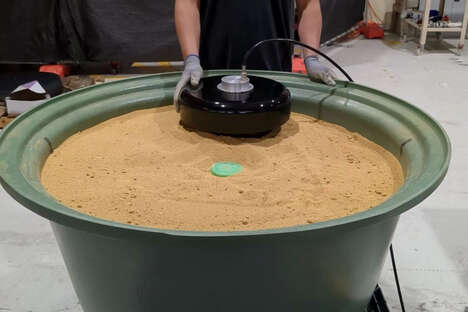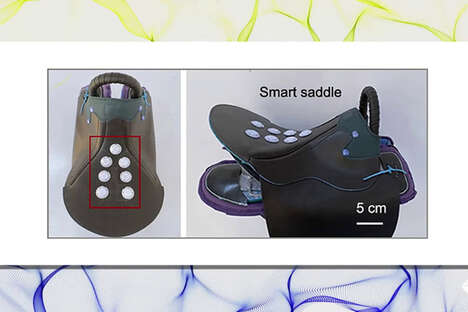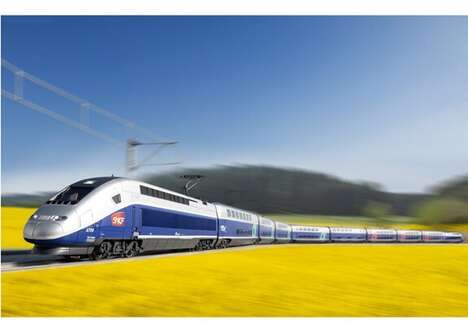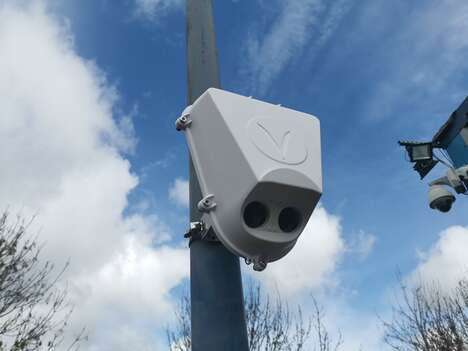
Weak spots in train tracks can be hard to detect and can quickly cause an accident if not dealt with, so the Tracksure train system looks to be a modern solution to this problem. Developed in partnership between the University of Huddersfield in the UK and the Siemens engineering firm, the Tracksure is an inexpensive sensor that could be implemented onto locomotives.
The Tracksure works by sensing vibrations that are created by empty spaces between railway ties; these can create a bumpy ride and could eventually falter under continued usage. The Tracksure would detect these faults and send a signal to the central control center to call for a repair. This could potentially revolutionize train system repairs and make them more efficient.
What's Driving This Trend
- Train Track Sensors
- New sensors are being developed to detect faults in train tracks, potentially revolutionizing maintenance and safety practices.
- Vibration-based Fault Detection
- New technology is being developed that can detect faults based on vibrations, with potential applications beyond train track maintenance.
- Centralized Monitoring Systems
- The Tracksure system highlights the potential benefits of centralized monitoring systems and the role they can play in improving industrial safety and efficiency.
Who This Affects Most
- Railway Transportation
- The Tracksure system has the potential to disrupt maintenance and safety practices in the railway transportation industry.
- Industrial Safety and Maintenance
- The application of vibration-based fault detection has the potential to improve safety and maintenance practices across a range of industries.
- Centralized Monitoring and Control
- The development of centralized monitoring and control systems has the potential to improve safety and efficiency in a wide range of industrial settings.