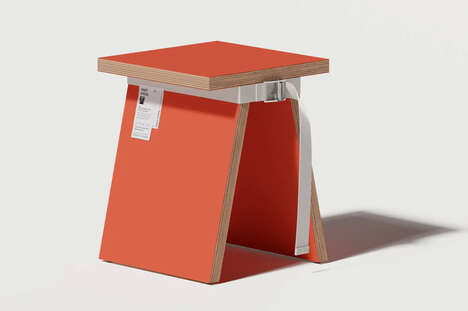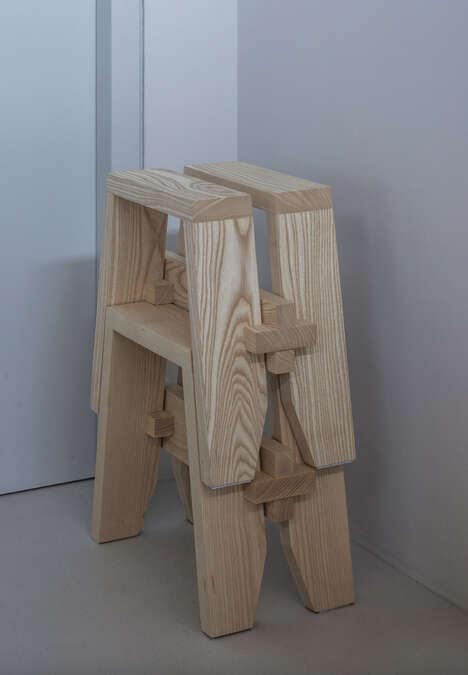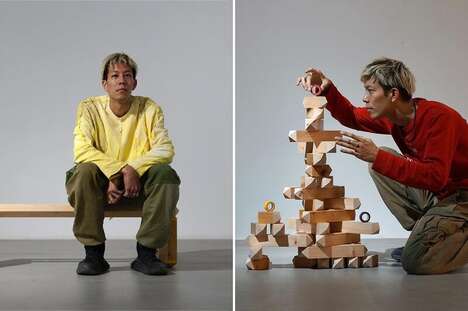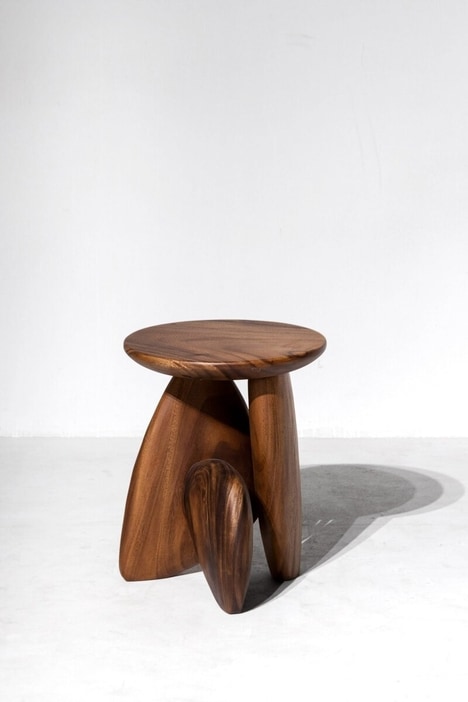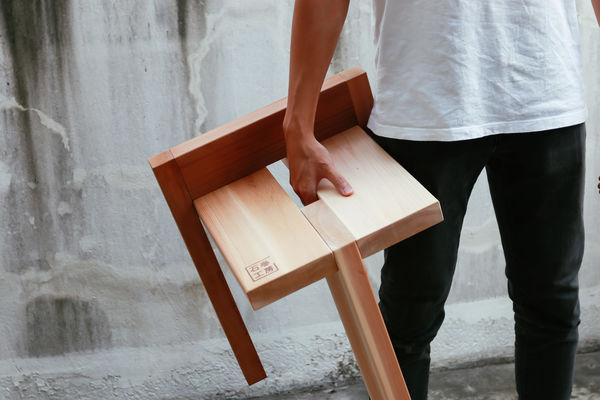
Studio TAMEN was founded by Brooklyn-based product developer Yoshiaki Ito and it relies on traditional Japanese furniture design as a base point for its offerings. For its latest capsule, the brand conceived the Yose-gi Stool — a kumi-ki puzzle-inspired piece.
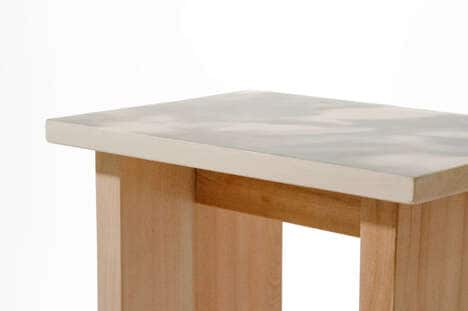
To communicate desired and theme-appropriate aesthetics, TAMEN leverages traditional Japanese furniture design to its full potential. The stool boasts a high-quality, solid and smooth wooden material. The beautifully fluid pattern on the surface is created with a Japanese inlaid wood technique called Yosegi. Much like its inspiration, the stools are able to interlock and seamlessly fit together via a Japanese joinery technique called Tsugite. This allows for the Yose-gi Stool to not only be aesthetically friendly but also highly functional thanks to its modality.
Key Themes Behind This Trend
- Japanese-inspired Furniture Design
- Japanese-inspired furniture design could disrupt Western styles and cater to consumers looking for unique and traditional products.
- Woodworking Techniques
- Using ancient woodworking techniques, such as inlaid wood and joinery, could disrupt modern manufacturing processes and appeal to eco-conscious consumers.
- Puzzle-like Furniture
- The trend of puzzle-like furniture that can be easily assembled and disassembled could disrupt traditional furniture design and appeal to those in small living spaces.
Where This Applies
- Furniture Design
- Furniture designers could leverage traditional woodworking techniques and Japanese-inspired design to disrupt the industry and cater to consumers looking for unique and authentic products.
- Home Decor
- Home decor companies could tap into the trend of Japanese-inspired furniture design and puzzle-like furniture to disrupt the market and offer unique and functional products.
- Craftsmanship/artisans
- Artisans and craftsmen could leverage their skills in ancient woodworking techniques to disrupt traditional manufacturing processes and offer handmade and authentic products.