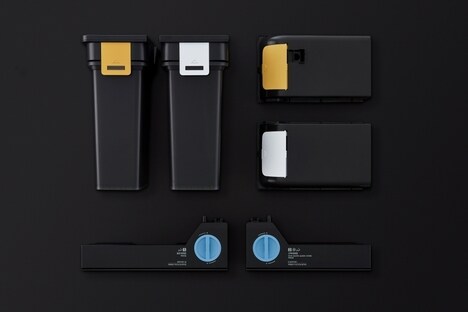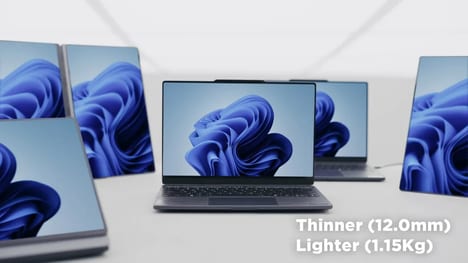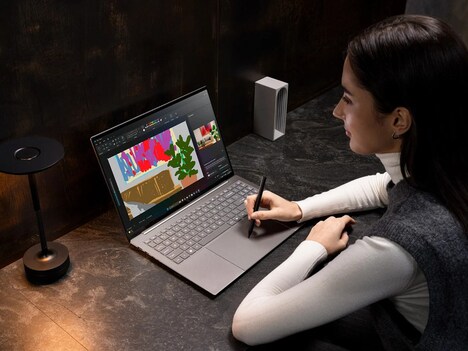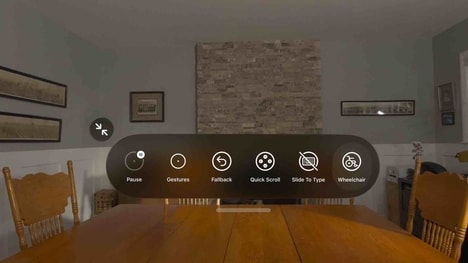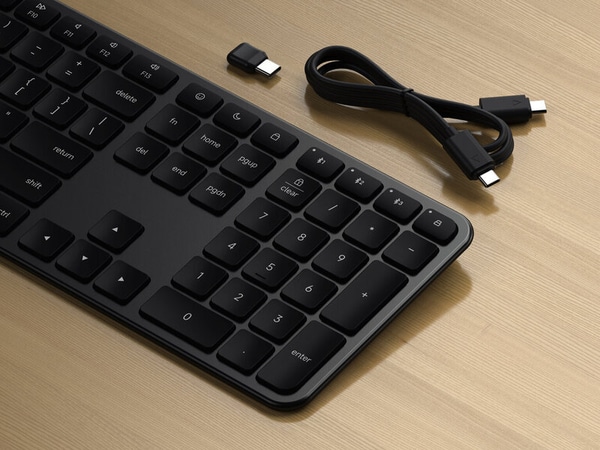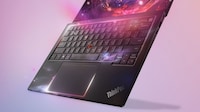
Lenovo, through its Inclusive Product Design Office, has been integrating accessibility features across its ThinkPad portfolio and software ecosystem. Recent enhancements span tactile keyboard markings, grouped function keys, distinct arrow keys, anti-glare displays, higher brightness targets, one-handed opening support, non-slip materials, and more accessible packaging. Adjustable trackpad palm rejection settings have been added, as well. These features are intended to accommodate users with low vision, mobility limitations, and dexterity challenges.
In addition to the ThinkPad portfolio, Lenovo has introduced audible and spoken feedback for key hardware events such as volume changes, mute toggles, brightness adjustments, battery status, and charger connections through its Lenovo Vantage software. This provides an additional communication channel for users who may have difficulty relying solely on visual indicators. Other software upgrades include enhanced keyboard navigation, screen reader compatibility, and system messaging clarity within applications like Lenovo Performance Tuner and cloud-based interfaces.
Image Credit: Lenovo
What's Driving This Trend
- Accessibility-first Hardware
- Built-in tactile cues, anti-glare displays, and easier physical handling point to a broader market shift where inclusive laptop design becomes a baseline differentiator rather than a niche accommodation.
- Multimodal System Feedback
- Audible alerts, spoken status updates, and clearer system messaging create potential for computing interfaces that serve users across visual, auditory, and mobility needs simultaneously.
- Adaptive Input Personalization
- Customizable trackpad behavior, improved keyboard navigation, and distinct key layouts suggest new software-hardware ecosystems built around individual dexterity, comfort, and control preferences.
Who This Affects Most
- Consumer Electronics
- Laptop and device manufacturers face emerging opportunities to embed accessibility into mainstream product portfolios as universal design becomes tied to usability, loyalty, and procurement value.
- Enterprise Software
- Productivity platforms, device management tools, and cloud interfaces are increasingly positioned to differentiate through screen reader compatibility, keyboard-first workflows, and inclusive system communication.
- Assistive Technology
- Specialized accessibility providers may find growth in partnering with major hardware brands as assistive functions become integrated directly into everyday computing environments.