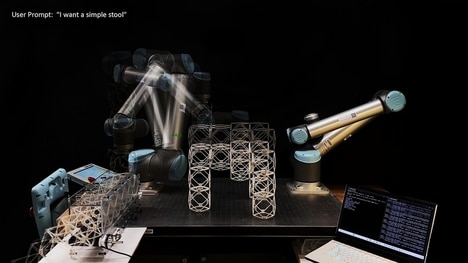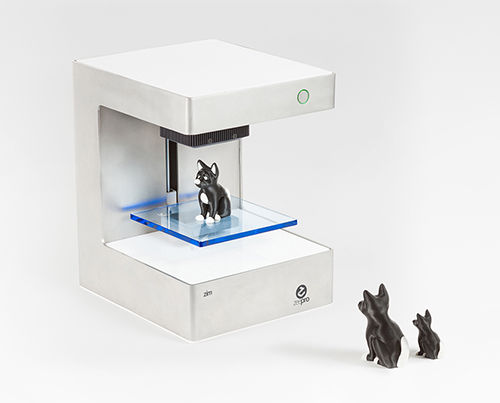
Taking us one step closer to the future, Thinker Thing has developed technology that allows you to create things with your mind. Using signals from your brain and a 3D printer, the platform creates exactly what you are thinking of. In effect, the program gives you the ability to make objects in your mind materialize.
Thinker Thing aims to allow anyone to create objects. Current 3D printing technology requires the use of complex computer design software to create anything. According to the developer’s website, a “high resolution neuro signal acquisition and processing wireless neuroheadset” is used to read impulses from your brain. The data is then fed into software that creates a 3D model from your thoughts. That model can then be printed.
Why This Trend Is Growing
- Neuro-thought Printing
- Developing software and hardware that can read brain signals to create 3D printed objects with a thought creates new and disruptive opportunities for the printing industry.
- Brain-computer Interface
- The development of a wireless neuroheadset that can read impulses from the brain to create 3D printed objects opens up opportunities for the technology and healthcare industries.
- Direct Mind Materialization
- Developing a platform that allows anyone to create objects with just their thoughts could be a disruptive innovation in multiple industries, including manufacturing, design, and architecture.
Industries Being Reshaped
- Printing Industry
- The Neuro-Thought Printing trend will disrupt the printing industry by creating new opportunities for 3D printing to improve and expand usage possibilities.
- Technology Industry
- The Brain-Computer Interface trend provides a huge opportunity for developing technologies that can understand and communicate with the brain to enhance user experiences.
- Healthcare Industry
- The Brain-Computer Interface trend has the potential to revolutionize healthcare by providing new ways to diagnose and treat neurological disorders.