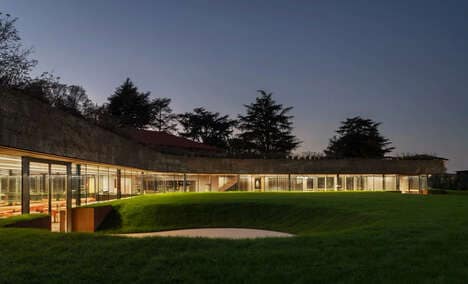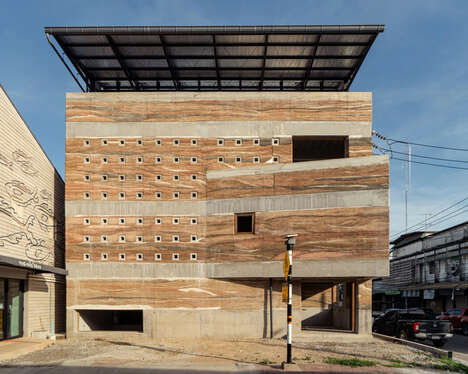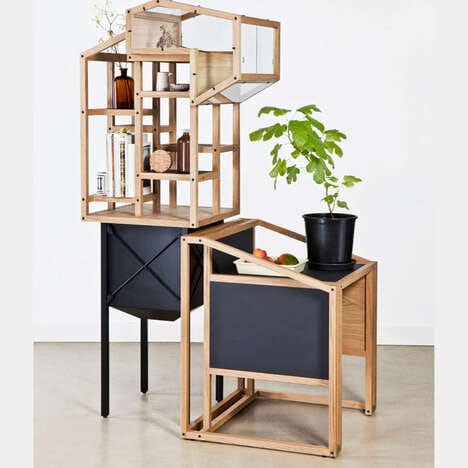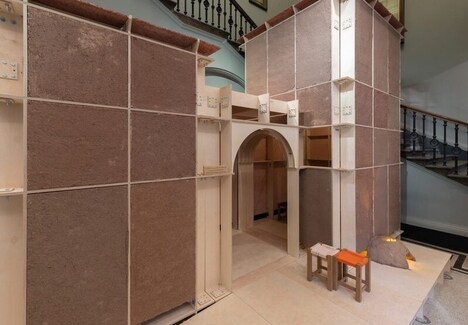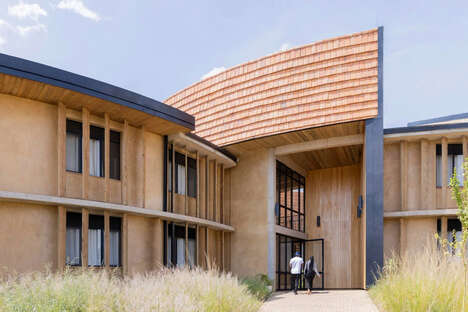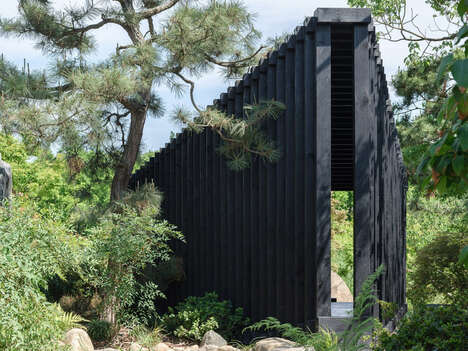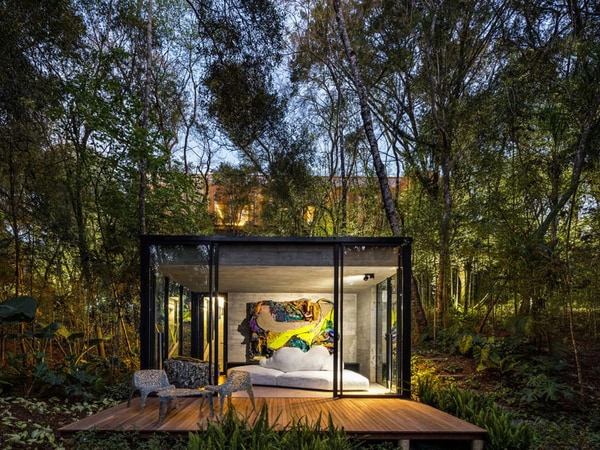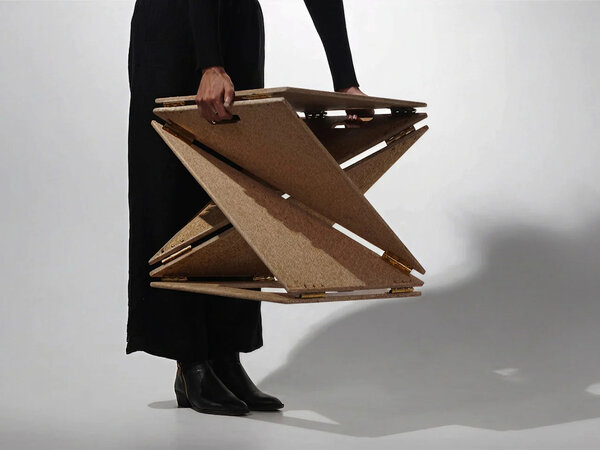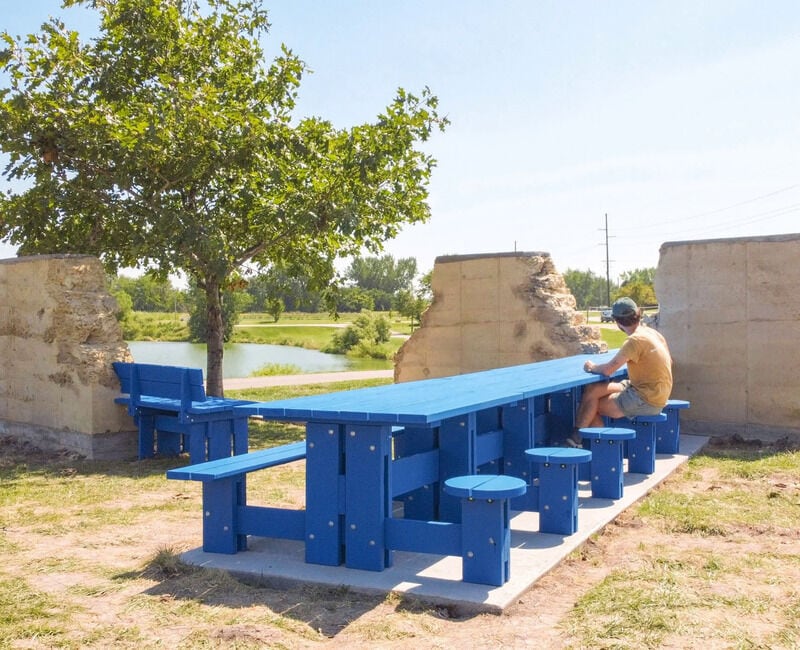
Arizona-based architecture firm I/Thee has created the Dining Room, which is the first of six pavilions as a large public installation. It is located in an Iowa park and is comprised of furniture that is connected to two rammed earth walls designed to look like an eroded texture -- this is done by water pressure.
It was created to offer the public a space to gether at the park and also as an encouragement to engage with the unique material. The team speaks about the design structure, sharing "The pavilion features two rammed earth walls intentionally eroded to reveal playful public infrastructures that intersect and protrude from the volumes – giving the impression natural forces have slowly excavated them over centuries."
Image Credit: Neal Lucas Hitch
Why This Trend Is Growing
- Rammed Earth Aesthetics
- The use of rammed earth in furniture design introduces an innovative aesthetic that merges sustainability with organic textures, offering a fresh take on eco-friendly materials.
- Public Space Engagement
- Interactive public installations encourage community engagement and redefine how people interact with urban and natural environments.
- Erosion-inspired Design
- Designs mimicking natural erosion processes offer a unique opportunity to blend architecture with art, creating immersive experiences that challenge traditional aesthetic norms.
Industries Being Reshaped
- Sustainable Architecture
- The architecture industry is exploring sustainable materials like rammed earth to create structures that harmonize with the environment and reduce the carbon footprint.
- Urban Planning
- Urban planning increasingly incorporates interactive installations in parks, aiming to enhance public spaces and foster community interaction.
- Furniture Design
- Furniture design draws inspiration from unconventional materials and processes, leading to innovative products that break away from conventional manufacturing techniques.