The Corner Shop is a three-storey residence designed by Kister Architects in Melbourne's Prahran suburb. Created as the home of founder Ilana Kister and her daughters, the project converts a former corner store that operated for more than a century.
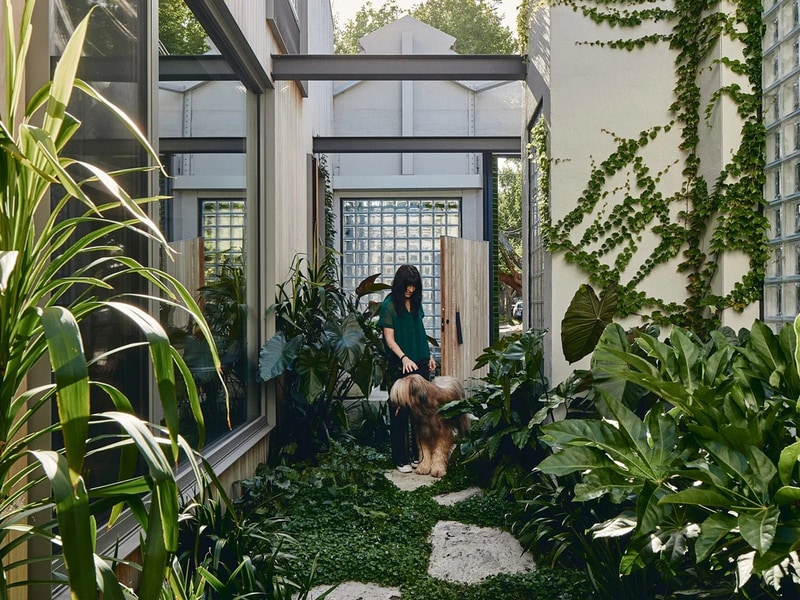
The residence occupies an original 287-square-metre site and incorporates an additional 90-square-metre lot acquired during construction. The original bottle-green tiled shopfront was retained, while former street-facing windows were replaced with glass bricks. Entry to the home is organized through a landscaped courtyard accessed from the original shop entrance.
The interior features oak flooring, wall panelling, and ceilings throughout the living spaces. A perforated white steel staircase connects all three levels and is illuminated by triangular skylights above. The second floor contains three bedrooms, a family bathroom, and a living area.
Image Credit: Kister Architects
Key Themes Behind This Trend
- Adaptive Retail Residences
- Former neighborhood storefronts are becoming distinctive family homes that preserve street-level heritage while expanding the market for compact urban conversions.
- Heritage Facade Preservation
- Retained tiles, original entrances, and recognizable shopfront details create new value in residential design by blending local memory with contemporary living needs.
- Courtyard-led Urban Living
- Landscaped internal entries and light-filled circulation spaces are reshaping dense residential layouts with more private, flexible, and climate-responsive domestic environments.
Where This Applies
- Residential Architecture
- Architects are finding new potential in small commercial sites where layered histories, constrained footprints, and added parcels support highly customized urban housing models.
- Urban Redevelopment
- Underused corner shops and aging high-street properties represent a growing redevelopment category that can diversify housing stock without erasing neighborhood character.
- Interior Design
- Warm timber surfaces, sculptural stairs, glass bricks, and skylit volumes signal demand for interiors that merge industrial reuse with refined family-focused comfort.