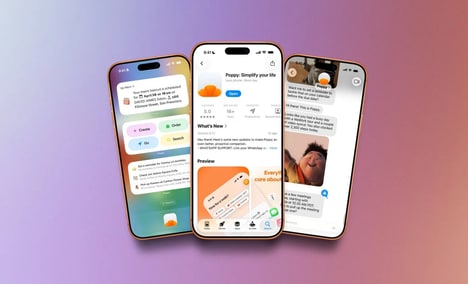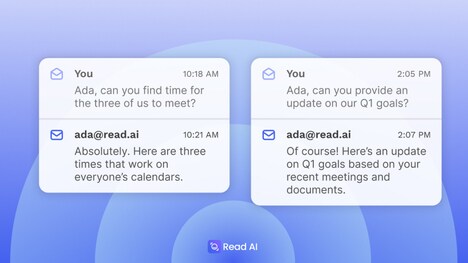
Peacock Parent created 'Ask Proxy,' a text-based AI assistant for women handling the mental load. Instead of waiting for step-by-step prompts, it is built to look ahead and surface what needs doing before it lands on a calendar or to-do list.
The subscription uses a vetted expert database and sends prompts, such as camp suggestions ahead of summer or packing notes before a trip. Users interact by text rather than through an app, and the service excludes ads, paid recommendations, and public-model training. Plans start at $29 per month, billed annually, and Ask Proxy is available in the U.S. and Canada.
Text-based access and a $29 monthly entry turn AI into a planning subscription for women who want less prompting and more anticipation. Availability in the U.S. and Canada gives Peacock Parent a direct test of whether privacy-first subscriptions can win on trust and convenience.
Image Credit: Peacock Parent
What Makes This Trend Stand Out
- Anticipatory AI Planning
- AI services that predict household needs before users ask create room for subscription models centered on proactive life management and reduced cognitive burden.
- Text-first Assistants
- SMS-based interfaces lower adoption friction by meeting consumers in familiar channels, opening space for app-free AI utilities that feel lightweight and immediate.
- Privacy-led Subscriptions
- Ad-free, closed-data AI products can differentiate on trust, especially for sensitive personal planning categories where public model training feels risky.
Sectors Adopting This
- Consumer AI
- Personal AI tools are shifting from reactive chatbots toward specialized assistants that combine expert databases, context awareness, and recurring revenue.
- Family Services
- Household planning platforms can expand beyond childcare directories into predictive support for seasonal, travel, school, and caregiving logistics.
- Mobile Communications
- Messaging infrastructure offers a scalable pathway for premium digital services that bypass crowded app ecosystems while preserving direct user engagement.