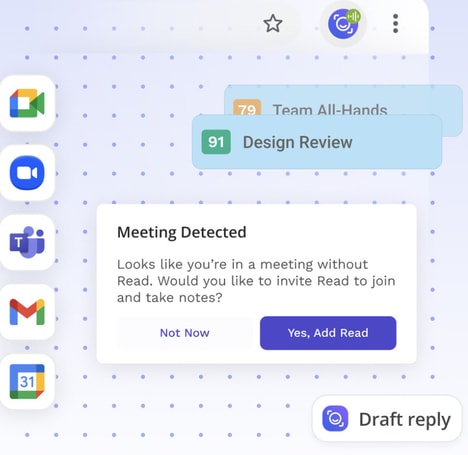
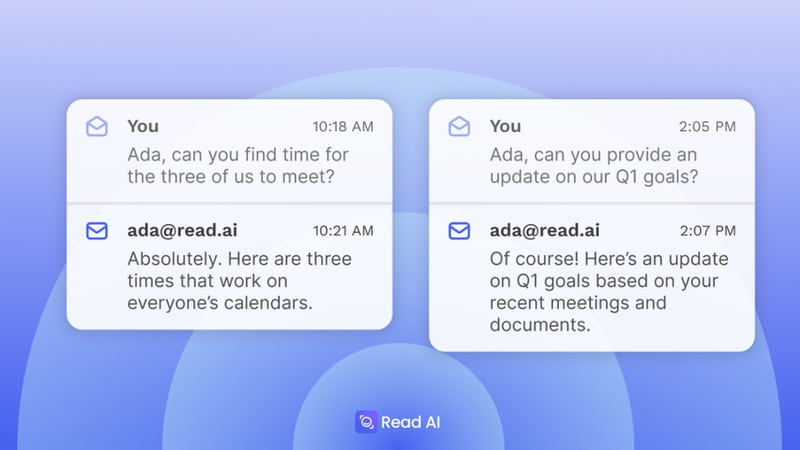
Read AI launched Ada, an email-based AI assistant that acts as a digital twin to manage scheduling and basic queries, featuring integration with a user’s calendar and company knowledge sources. Users activate Ada by emailing ada@read.ai to begin configuring automated replies and availability handling. Ada replies in-thread to propose meeting times and iterates options if invitees request alternatives.
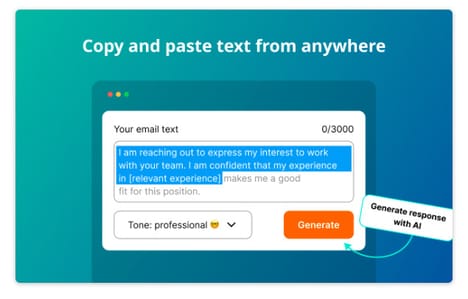
The assistant pulls context from a team’s knowledge base, past meeting topics and public web searches to draft answers or summarize Q1 progress requests, and it prepares responses for user review before sending. Read AI said Ada builds a knowledge graph from meeting data rather than relying on MCPs, and the feature will expand to Slack and Teams soon.
For users, Ada reduces email friction by automating scheduling and surfacing contextual answers, speeding coordination and follow-ups. As meeting tools layer AI into workflows, assistants like Ada reflect a broader trend of inbox automation becoming an active part of workplace productivity.
Image Credit: Read AI
What's Driving This Trend
- Inbox Automation Agents
- Potential to replace manual scheduling and turn email threads into proactive workflow coordinators that reduce latency in meeting orchestration.
- Contextual Knowledge Graphs
- Creates deeper contextual replies by linking meeting data, team knowledge and public sources into a unified graph that supports more accurate, personalized responses.
- Cross-platform Collaboration Integration
- Enables assistants to operate seamlessly across email, chat and calendar ecosystems, allowing conversational workflows to persist as users move between tools.
Who This Affects Most
- Enterprise Saas
- Strong opportunity for platforms to embed automated assistants as core features, shifting value from standalone scheduling tools to AI-enhanced productivity suites.
- Human Resources and Talent Management
- Likely to transform interview coordination and onboarding communications by consolidating candidate interactions and contextual documentation into intelligent scheduling flows.
- Professional Services and Consulting
- Well-suited to streamline client communications and meeting prep by summarizing prior engagements and surfacing relevant firm knowledge directly within correspondence.