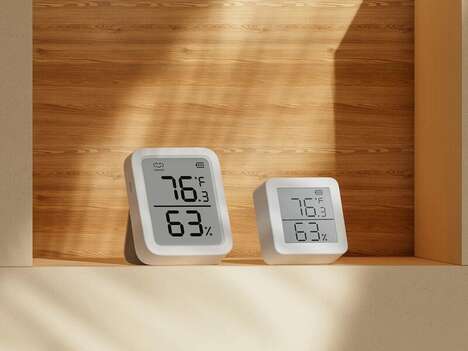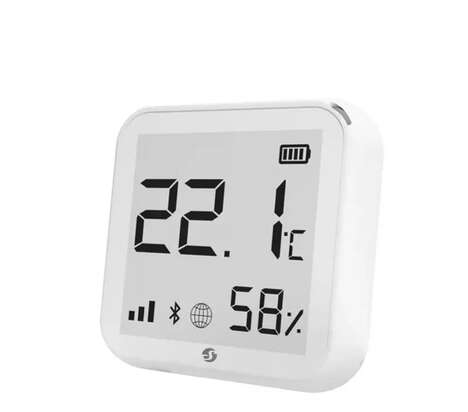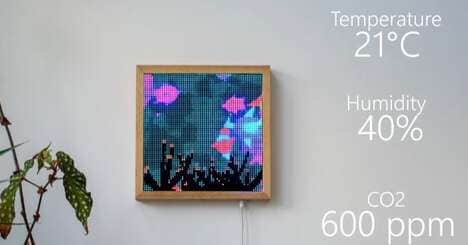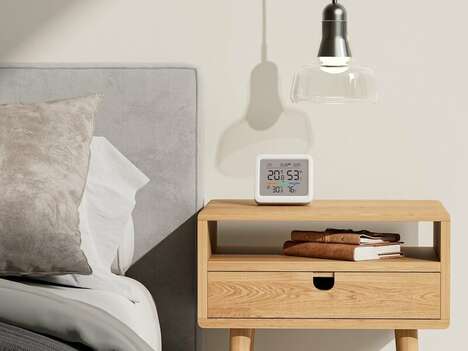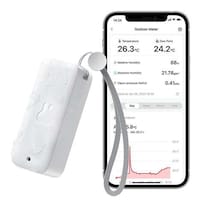
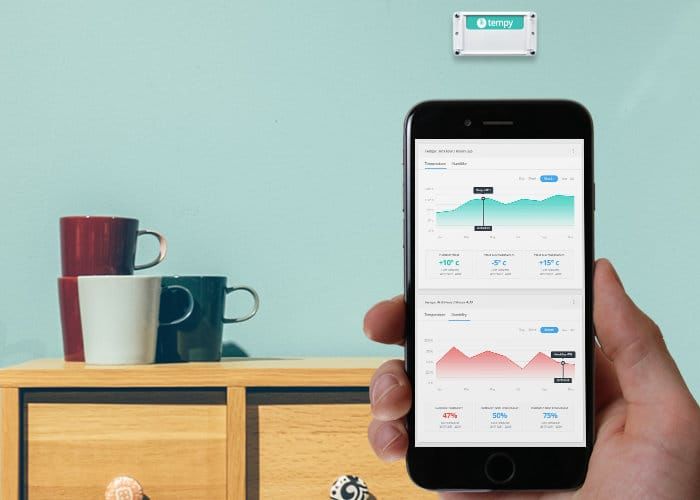
The 'Tempy' has been developed as a piece of equipment for the home that will provide users with the ability to track the state of their environment in a streamlined manner. The compact device works by being placed in a space and going to work to track the temperature, humidity and even the air pressure within it before relaying the information to your smartphone. The unit packs an impressive 10 year battery life that enables it to take readings every two minutes to ensure that you are always able to see relevant data when accessing the accompanying smartphone app.
The 'Tempy' temperature sensor can be used indoors or out and acknowledges the expanding smart home device market as consumers seek out ways to optimize their spaces.
Key Themes Behind This Trend
- Smart Home Sensors
- Developing smart sensors for homes is an opportunity to tap into the expanding smart home market by providing users with more insights about their environment.
- Iot Environmental Monitoring
- Developing IoT-based environmental monitoring solutions can enable businesses to provide users with more accurate and real-time data about their surroundings.
- Battery Life Extension
- Improving battery life of sensors can create opportunities for long-term monitoring and enable users to access data over extended periods.
Where This Applies
- Smart Home Devices
- Creating smart sensors for temperature, humidity, and air pressure can enable businesses to be a part of the growing market for smart home devices.
- Environmental Monitoring
- IoT-enabled environmental monitoring solutions can be developed and used by industries such as healthcare, agriculture, and construction to optimize their activities.
- Sensor Technology
- Developing sensors with long battery life can open up opportunities in industries such as logistics and transportation where long-term monitoring of goods and perishables is necessary.