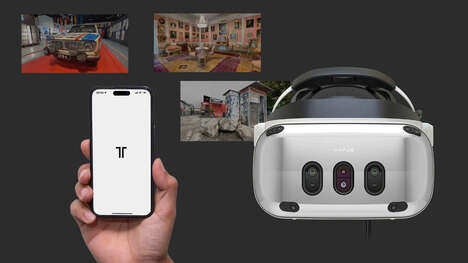
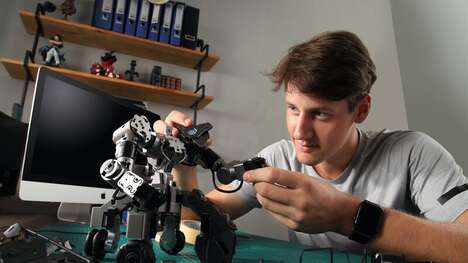
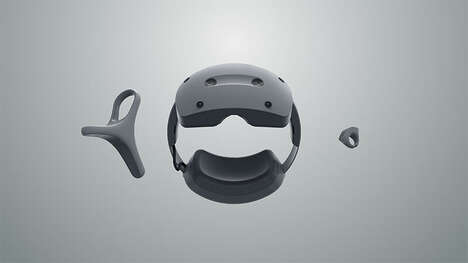
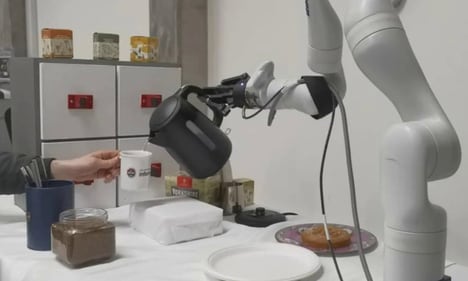
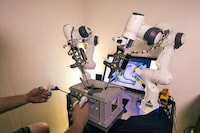
These teleoperated robots are remotely controlled with a new VR system. Researchers from the Massachusetts Institute of Technology Computer Science and Artificial Intelligence Laboratory (CSAIL) developed a system consisting of an Oculus Rift headset and hand controllers that enables users to teleoperate a robot. The teleoperated robots have multiple sensory displays, which offer pilots great amounts of accuracy from a long distance.
This technology could have a significant impact on the manufacturing industry as it would let employees operate machines and perform tasks from anywhere in the world. SpringWise states "the future of work could soon see the ability for manufacturing blue-collar workers to carry out tasks remotely by wirelessly controlling machines in their real-life factory space."
What's Driving This Trend
- Teleoperated Robots
- Remote-controlled robots with virtual reality systems could revolutionize manufacturing and other industries.
- Virtual Reality Systems
- Virtual reality headset and hand controllers offer new ways of teleoperating robots through sensory displays.
- Remote Workforce
- Teleoperated robots enable employees to perform tasks from anywhere in the world, leading to an increasingly remote workforce.
Who This Affects Most
- Manufacturing
- Teleoperated robots could allow blue-collar workers to perform tasks remotely, reducing the need for physical presence in a factory.
- Construction
- Teleoperated robots could improve safety in construction sites, allowing workers to operate machinery from a distance.
- Healthcare
- Teleoperated robots could enable medical professionals to perform procedures and surgeries remotely, improving access to healthcare services.