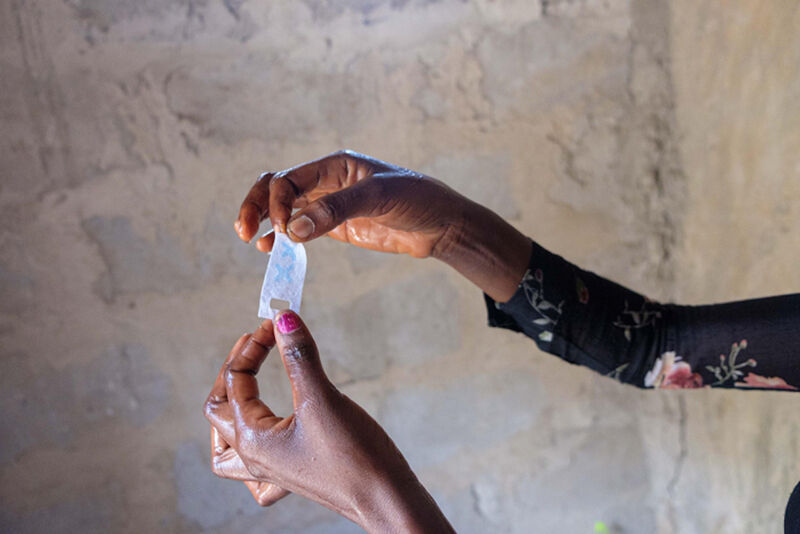
Scientists at the Imperial College London have developed a new single-use tab soap, which is entirely biodegradable and offers a more affordable solution to make hygiene more accessible to certain areas. The team created a system that could be scaled up to be beneficial to the masses.
They found that although soap is the combative option to dirt, locals often understood it to be a contaminated object, which makes it difficult to keep near the toilets without feeling like it may be soiled in the process. Overtime the team developed five different prototypes and landed on the Tab Soap. It is made from sustainable bamboo-based textiles that are doused in soap. Once it is used, the remnants can be disposed of in the toilet to decompose by itself.
Image Credit: Edward Brial, EurekAlert
Key Themes Behind This Trend
- Biodegradable Hygiene Products
- There is a need to create more biodegradable hygiene products to provide affordable and eco-friendly solutions for personal hygiene while also reducing waste.
- Sustainable Materials for Disposable Products
- Innovations in sustainable materials can provide more options for creating disposable products that don't contribute to environmental pollution and waste.
- Hygiene Innovation for Developing Countries
- Innovations that target the unique challenges of hygiene in developing countries can provide affordable, accessible, and effective solutions for maintaining personal hygiene and preventing disease.
Where This Applies
- Personal Care Industry
- The personal care industry can develop and market more eco-friendly and affordable hygiene products that cater to a wider range of consumers with different needs and preferences.
- Sustainable Textile Industry
- The textile industry can explore more sustainable options for creating textiles, such as bamboo-based textiles used in the creation of biodegradable soap tabs and other disposable products.
- Global Health Initiatives
- Global health initiatives can collaborate with researchers and innovators to develop and implement effective hygiene solutions for developing countries, tackling issues related to access, affordability, and education.