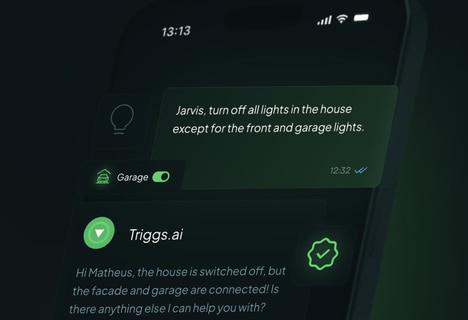
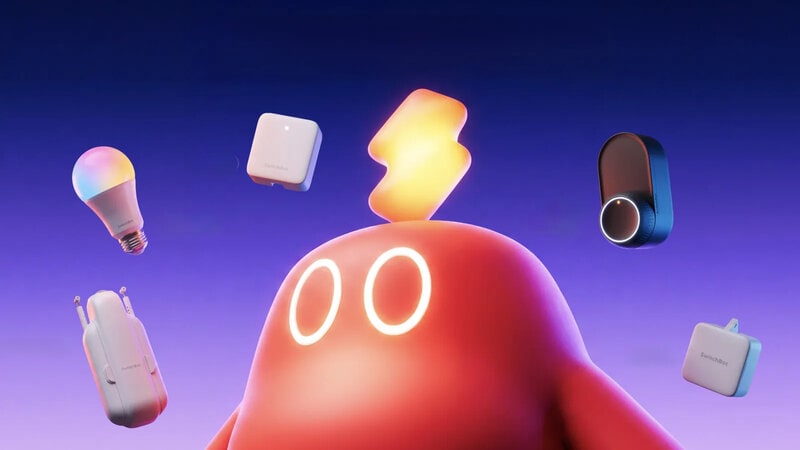
The complex setup of the smart home often has users jumping between different menus and apps to perform actions, so the SwitchBot Kata AI Assistant has been developed to offer an easier alternative.
The artificial intelligence (AI) smart home assistant is LLM-powered and built right into the SwitchBot app where users can talk directly to it through voice or text. Users can thus trigger an array of routines and automations, while also access troubleshooting information when setting up new devices or routines within their home. The natural language understanding of the assistant means users can talk casually and still be understood to help users optimize their smart home setup.
The SwitchBot Kata AI Assistant will only retain contextual awareness within active sessions and will be limited to 100 successful processes each day for users.
Image Credit: SwitchBot
What Makes This Trend Stand Out
- Conversational Smart Homes
- Natural language interfaces are reducing app fragmentation in connected homes, creating room for more intuitive automation ecosystems that interpret casual user intent.
- Session-based AI Privacy
- Temporary contextual awareness reflects a privacy-conscious model for home AI, where limited memory can build trust while still enabling personalized support.
- In-app Automation Support
- Embedded troubleshooting and routine creation inside device apps signals a shift toward self-service smart home management that minimizes setup friction.
Sectors Adopting This
- Smart Home Technology
- LLM-powered assistants are reshaping connected device experiences by turning complex menus and multi-app workflows into conversational control systems.
- Consumer AI
- Voice and text-based assistants tailored to household tasks highlight opportunities for specialized AI products that prioritize everyday usability over broad functionality.
- Home Automation Software
- Automation platforms can become more accessible through AI-guided configuration, allowing mainstream users to build routines without technical expertise.