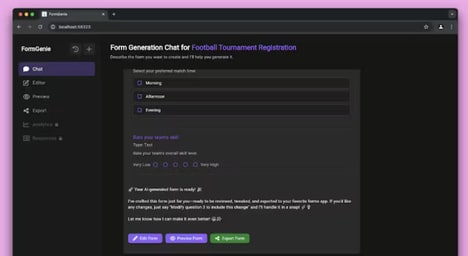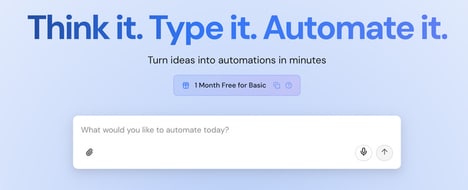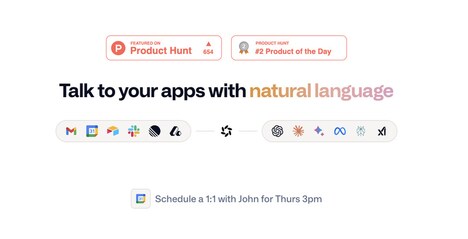
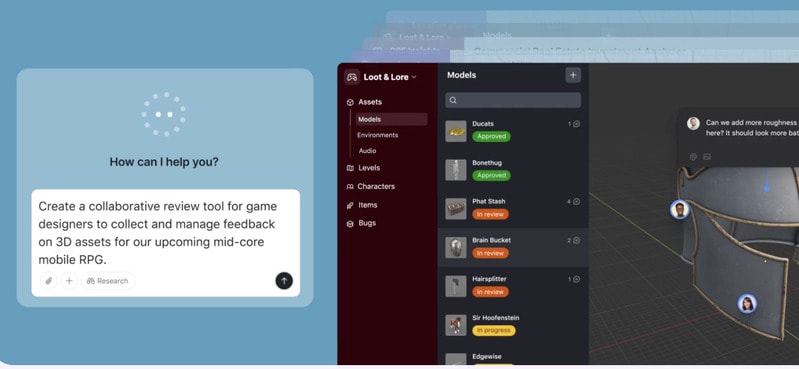
Airtable AI Assistant is an AI-driven feature designed to help users build applications, analyze data, and conduct research through natural language interaction. Rather than relying on manual configuration or complex workflows, users can describe what they want to create or analyze in conversational prompts.
The assistant translates these requests into functional app components, data insights, or research outputs within the Airtable environment. This approach lowers technical barriers and accelerates development for teams without deep engineering resources. In addition to app building, the tool supports data analysis and web research, enabling users to extract insights and summarize information efficiently. While it operates within the Airtable ecosystem, the assistant illustrates how conversational AI can streamline internal tools, improve productivity, and enable faster decision-making across product, operations, and business teams.
Image Credit: Airtable AI Assistant
Key Themes Behind This Trend
- Conversational No-code App Builders
- Airtable-style conversational builders reduce reliance on engineering by converting natural-language prompts into working app components, enabling rapid prototyping by nontechnical teams.
- Natural-language Data Analysis
- Language-driven analytics allow users to request insights and visualizations conversationally, collapsing complex query and modeling workflows into simple prompts.
- Embedded Research Assistants
- Integrated web-research and summarization features turn internal platforms into knowledge agents that surface relevant findings and context directly where teams work.
Where This Applies
- Enterprise Saas Platforms
- SaaS providers embedding conversational AI can transform product suites into interactive builders and analysts, shifting value from feature sets to AI-enabled workflows.
- Business Intelligence and Analytics
- Analytics vendors that adopt natural-language interfaces risk redefining user roles by making insights accessible to nonanalyst stakeholders across organizations.
- Low-code No-code Development Platforms
- Platforms focused on low-code/no-code could evolve into conversational-first ecosystems that compress development cycles and broaden who can deliver custom tools.