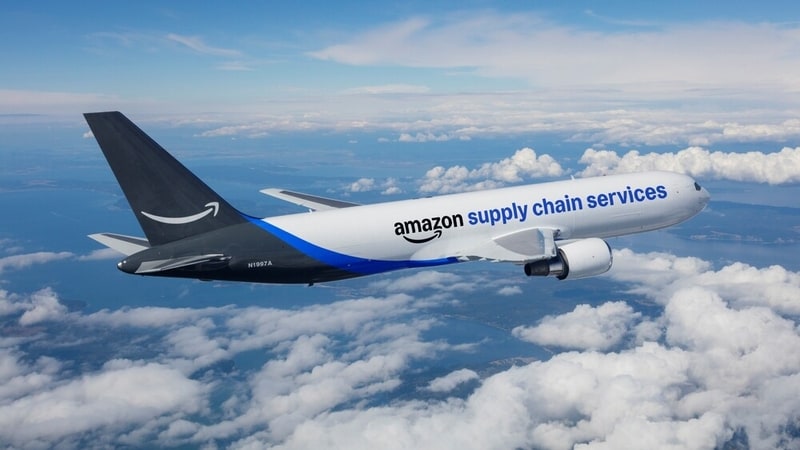
Amazon’s Supply Chain Services introduces a new model where companies can access a fully integrated logistics network without building their own infrastructure. The innovation lies in transforming an internal system—once used only to power Amazon’s retail dominance—into a scalable, external service that combines freight, warehousing, fulfillment, and delivery in one ecosystem. This approach reduces fragmentation, giving businesses greater visibility, speed, and control across operations.
This shift affects retailers, manufacturers, and even non-ecommerce brands by lowering the barrier to efficient distribution. Smaller companies can now compete with larger players by leveraging advanced logistics tools, while established brands can streamline operations and cut costs. It also signals a broader movement toward infrastructure-as-a-service models, where operational capabilities become products. As more companies adopt this system, competition may increasingly center on customer experience and brand differentiation rather than logistics capabilities alone.
Image Credit: Amazon
What Makes This Trend Stand Out
- Logistics as A Service
- A centralized, rented logistics stack replaces bespoke networks, enabling firms to scale distribution without capital-intensive infrastructure investments.
- Democratized Fulfillment
- Access to enterprise-grade warehousing and last-mile delivery levels the operational playing field, allowing small and mid-size companies to match large competitors' speed and reliability.
- End-to-end Supply Chain Visibility
- Integrated freight, inventory, and delivery tracking consolidates fragmented data flows, creating opportunities for predictive optimization and tighter customer commitments.
Sectors Adopting This
- Retail
- Omnichannel retailers can reduce inventory buffers and accelerate deliveries by leveraging a shared logistics network that standardizes fulfillment capabilities across locations.
- Manufacturing
- Component sourcing and finished-goods distribution could shift toward just-in-time models as manufacturers plug into scalable transportation and warehousing services.
- Third-party Logistics
- Traditional 3PL providers face pressure to differentiate through value-added services as platform-based logistics offers commoditized core fulfillment and transport functions.