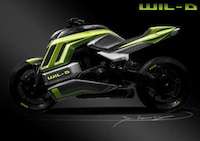


German automaker BMW has always been at the forefront of motorbike design and production innovation, and the company is clearly looking to continue that tradition with the introduction of a high-tech superbike frame that makes use of 3D-printing technology.
This particular superbike frame, which was unveiled at the BMW Group's Digital Day 2018 summit, makes use of a S1000RR engine that is capable of churning out 200 horsepower. The frame itself is effectively the skeleton of the superbike, with its naked presentation allowing for a close inspection of the vehicle's design specifications.
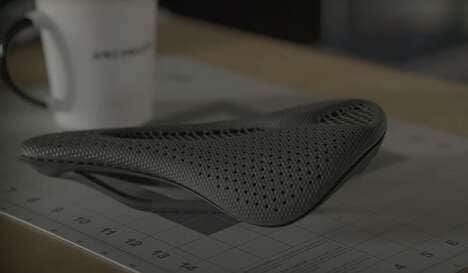
In building and publicizing this superbike frame, BMW is looking to position itself as an industry leader in the innovation of 3D-printing technologies, which it hopes will enable it to produce vehicle parts in economical and expedient fashion.
Why This Trend Is Growing
- 3d-printing in Automotive
- The use of 3D-printing technology in automotive can revolutionize the production of vehicle parts.
- High-power Engines
- The development of high-power engines, like the 200 horsepower S1000RR engine, opens up new possibilities for speed and performance in vehicles.
- Naked Vehicle Design
- The trend of showcasing the naked design of vehicles allows for a closer inspection of their design specifications and visual appeal.
Industries Being Reshaped
- Automotive Manufacturing
- Incorporating 3D-printing technology in automotive manufacturing can streamline production processes and reduce costs.
- Motorcycle Manufacturing
- The development of high-tech superbike frames presents an opportunity for motorcycle manufacturers to innovate their designs and enhance performance.
- Additive Manufacturing
- The continued advancement of additive manufacturing techniques enables the production of complex and customized vehicle parts.