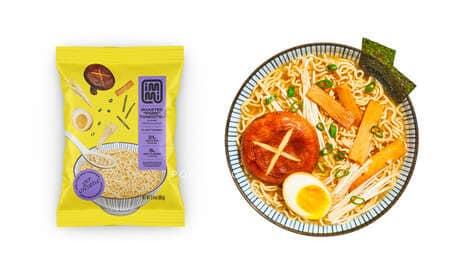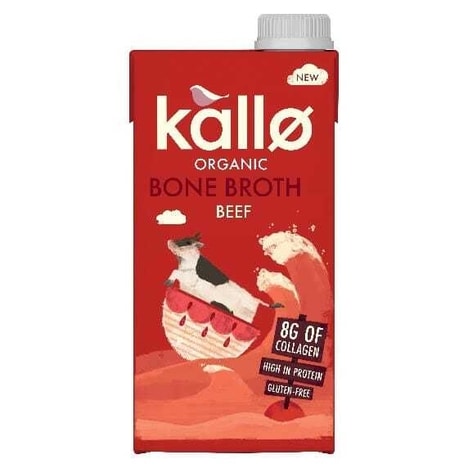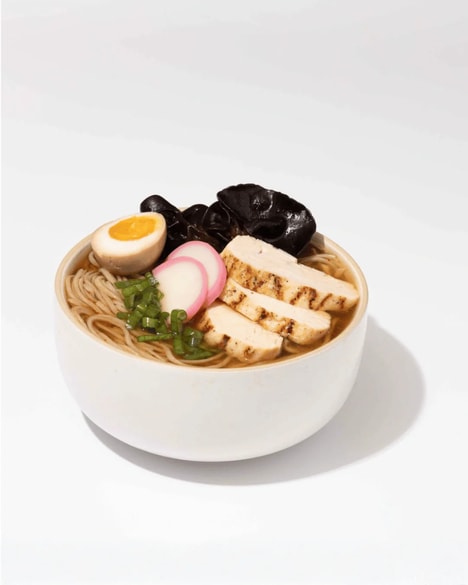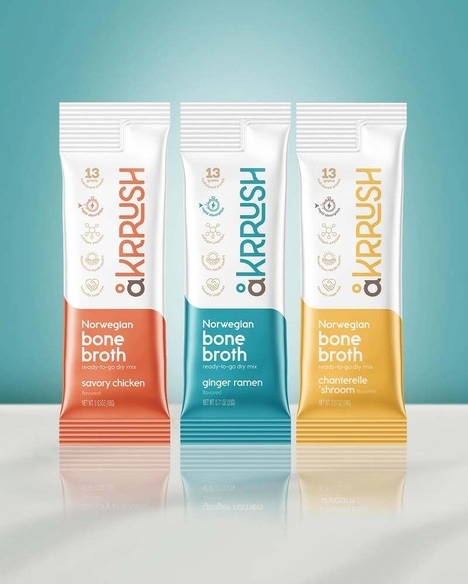
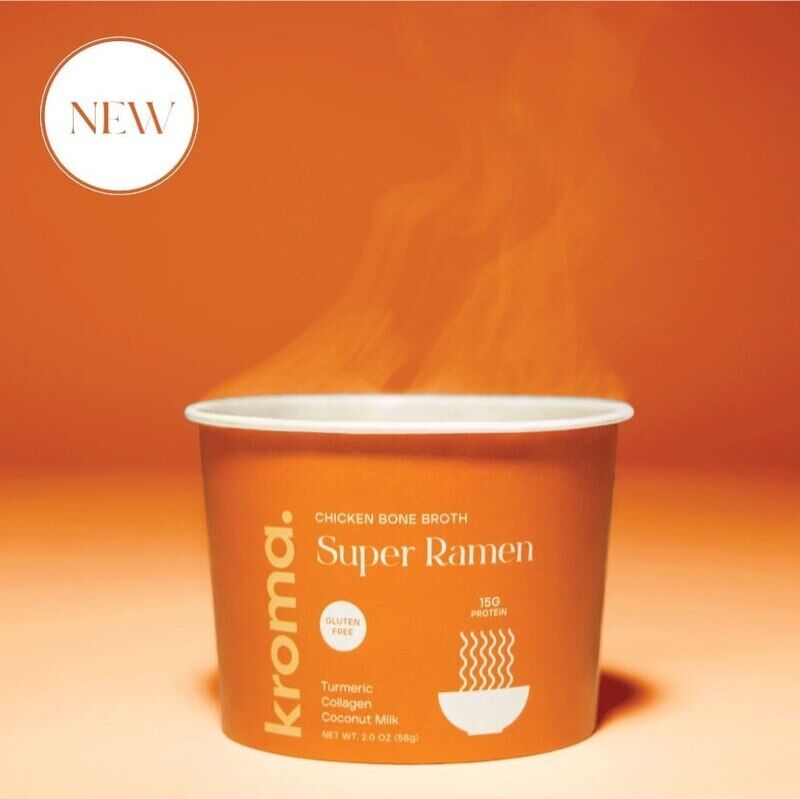
Kroma touts Super Ramen as "the world's first Gluten-Free Bone Broth Ramen" but the groundbreaking character of this product does not stop there. The recipe also includes a slew of unconventional and nutrient-dense ingredients such as collagen, coconut, turmeric, and reishi which turn Kroma's Super Ramen into a satisfying and functional meal. The recipe also boasts 15 grams of protein.
Although Super Ramen is convenience-focused and ready in just five minutes, the product promises a gourmet experience alongside the benefits of superfoods and adaptogens. The inclusion of gluten-free mung bean noodles caters to dietary preferences and health-conscious individuals, offering a lower glycemic index and fewer carbs. Additionally, the slow-cooked chicken bone broth lends a homemade taste and quality to the ramen.
Image Credit: Kroma
What Makes This Trend Stand Out
- Collagen-infused Noodle Innovation
- Embracing unconventional ingredients like collagen in noodle products presents a novel approach to enhancing nutritional value and product appeal.
- Adaptogen-enriched Convenience Foods
- Incorporating adaptogens like reishi into instant meals signals a shift towards functional and wellness-focused consumer choices.
- Gluten-free Gourmet Convenience
- Creating gluten-free gourmet instant ramen addresses the demand for convenient yet high-quality meal options catering to diverse dietary requirements.
Sectors Adopting This
- Food and Beverage
- The food and beverage industry can explore novel ingredient combinations and health-enhancing properties to drive innovation in instant meal solutions.
- Health and Wellness
- Health and wellness companies have an opportunity to capitalize on the integration of superfoods and adaptogens into convenient food products for a health-conscious market segment.
- Culinary and Gourmet
- Culinary and gourmet industries can disrupt the instant meal market by elevating gluten-free offerings with gourmet flavors and nutrient-dense ingredients for discerning consumers.