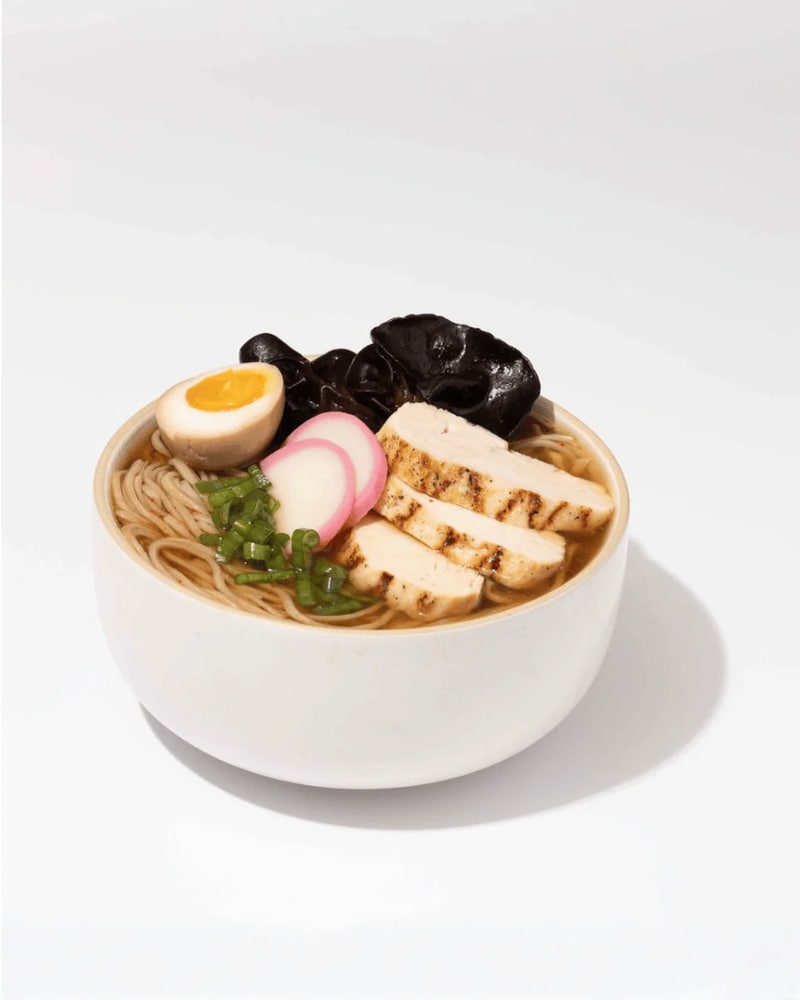
Instant noodles have long carried a stigma of being little more than empty calories wrapped in a sodium-heavy broth, but KYUNU challenges this perception with products like instant protein noodles and responds to health-conscious consumers' growing demand for nutrient-dense convenience. These chef-crafted ramen products are available in meal-sized portions (1.5 cups, which is considerably more than other brands offer) that pack 30 grams of protein per serving.
These air-dried, less processed varieties boast nearly 50% fewer net carbs than regular noodles, and they're ready to satisfy in a trio of enticing flavors—Mild Chicken Black Garlic, Taiwanese Pork & Shrimp Danzai, and Spicy Thai Shrimp Tom Yum—that draw from restaurant favorites and craveable street food meals.
What Makes This Trend Stand Out
- High-protein Convenience Foods
- Products that combine meal-ready convenience with elevated protein content create pathways for reformulating traditional convenience categories into nutrition-forward staples.
- Air-dried Low-carb Alternatives
- Alternative drying and minimal-processing techniques that reduce carbs and preserve texture support a shift away from fried or highly processed carbohydrate bases toward lighter, shelf-stable formats.
- Chef-crafted Instant Meals
- Culinary-driven flavor profiles and restaurant-inspired recipes packaged for at-home convenience enable premiumization of instant foods and broaden appeal beyond bargain-oriented shoppers.
Sectors Adopting This
- Packaged Foods
- Snack and ready-meal manufacturers can reimagine product lines to compete on nutrition density, portion sizing, and gourmet flavor to capture health-conscious consumers.
- Foodservice and Restaurants
- Casual dining and quick-service operators may leverage instant, chef-formulated bases and co-branded retail products to extend customer relationships beyond the restaurant visit.
- Sports Nutrition
- Supplement and performance-focused brands could integrate high-protein, meal-formulated options into recovery and on-the-go nutrition portfolios to meet real-food preferences.