
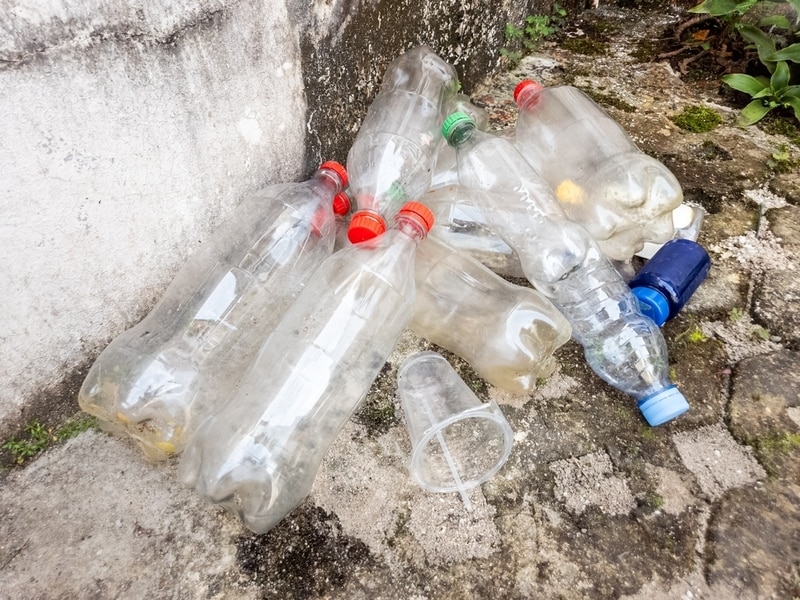
Sun-powered plastic recycling is emerging as a promising approach to tackling both plastic pollution and clean energy demand through a single process. Researchers at the University of Adelaide are exploring solar-driven photoreforming systems that use photocatalysts and sunlight to break down discarded plastics into hydrogen, syngas, and industrial chemicals. Unlike traditional hydrogen production methods, the process operates at lower temperatures and uses plastic waste as a feedstock, improving efficiency while reducing environmental impact. The technology also supports circular economy goals by transforming discarded materials into valuable energy resources instead of landfill waste.
For businesses, the development creates opportunities across renewable energy, waste management, and advanced manufacturing sectors. Energy companies could integrate plastic-derived hydrogen into low-carbon fuel strategies, while recycling firms may expand into chemical recovery services. The approach could also encourage investment in smart sorting infrastructure, catalyst development, and scalable solar-powered industrial systems.
Image Credit: syartinolky/Shutterstock
What's Driving This Trend
- Sun-powered Photoreforming
- Photocatalytic systems enable direct conversion of mixed plastic waste into hydrogen and syngas under sunlight, reducing reliance on fossil-derived feedstocks.
- Low-temperature Plastic-to-hydrogen Conversion
- Low-temperature processes create feasible pathways for decentralized hydrogen production using municipal plastic streams as a feedstock.
- Circular-chemical Recovery
- Circular-Chemical Recovery from plastic waste redefines value chains by turning discarded polymers into industrial chemicals and feedstocks for manufacturing.
Who This Affects Most
- Renewable Energy
- Integration of plastic-derived hydrogen into energy portfolios could lower the carbon intensity of power generation and transport fuels while leveraging existing solar infrastructure.
- Waste Management
- Smart sorting and feedstock aggregation models enable higher-value recovery streams, shifting waste handling toward resource provisioning rather than disposal.
- Advanced Manufacturing
- Catalyst development and modular solar-reactor manufacturing present opportunities for localized production of chemicals and fuels from waste plastics.