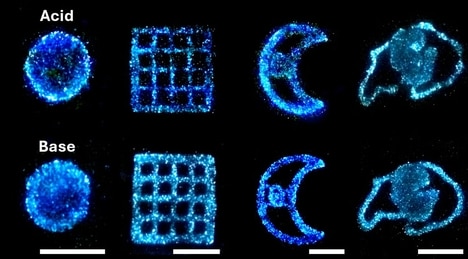
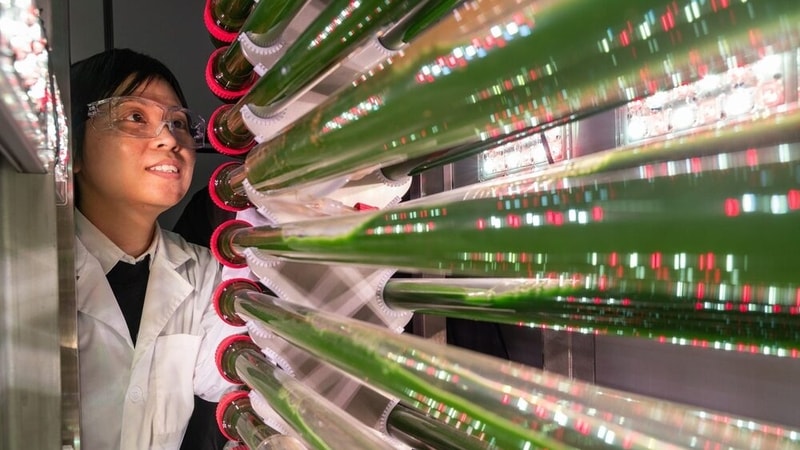
Bioengineered pollution remediation is advancing environmental cleanup by combining genetic engineering, wastewater treatment, and circular material recovery into a single biological process. Researchers at the University of Missouri developed engineered algae capable of attracting and capturing microplastics from polluted water through the production of limonene, a water-repellent natural oil. Once bonded together, the plastic particles form clumps that can be collected and removed more efficiently than traditional filtration methods. The algae also absorb excess nutrients from wastewater while potentially enabling the recovered plastics to be repurposed into bioplastic products.
The research highlights growing interest in multifunctional environmental technologies that address pollution, resource recovery, and infrastructure efficiency simultaneously. Wastewater treatment systems may increasingly integrate engineered biological processes to improve remediation performance while reducing operational waste. As governments and industries face rising pressure to address microplastic contamination, scalable biotechnology platforms could create new opportunities across water treatment, sustainability, and recycled material manufacturing sectors.
Image Credit: Abbie Lankitus/University of Missouri
What's Driving This Trend
- Multifunctional Bio-remediation
- Engineered organisms that simultaneously sequester microplastics and recover nutrients present possibilities for consolidating cleanup, treatment, and material reclamation into single-process systems.
- Microplastic-binding Biomolecules
- New biomolecules like limonene-producing pathways enable selective aggregation of hydrophobic particles, creating avenues for targeted capture and downstream reuse of polymer wastes.
- Circular Wastewater Biorefineries
- Integrated facilities that convert pollutants into feedstocks for bioplastics suggest models where wastewater treatment becomes a source of recycled material supply.
Who This Affects Most
- Municipal Wastewater Treatment
- Public utilities adopting biological capture technologies could shift plant design toward lower-energy separation processes and enhanced contaminant recovery streams.
- Recycled Material Manufacturing
- Manufacturers of recycled polymers may gain access to higher-quality feedstock from biologically aggregated microplastics, supporting broader use of recovered materials in value-added products.
- Environmental Biotechnology Platforms
- Platform companies developing engineered strains and bioprocesses stand to enable scalable deployment of living remediation modules across industrial and natural water systems.