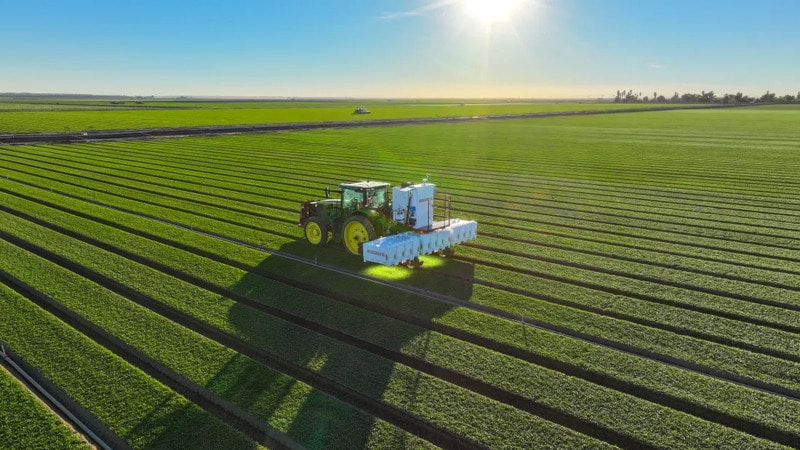
Carbon Robotics introduced the Large Plant Model (LPM), an AI system that identifies plant species in real time to power its LaserWeeder robots. The Seattle-based company designed LPM to distinguish crops from unwanted plants, allowing farmers to instantly target new weeds without pausing operations. The model serves as the decision-making engine inside the autonomous, laser-equipped machines used across commercial farms.
Trained on more than 150 million labeled plant images from over 100 farms in 15 countries, LPM analyzes both species and structural traits. The update rolled out as software to existing LaserWeeder units, which continuously collect new field imagery. Farmers interact with the system through an onboard interface, selecting which plants to preserve or eliminate from photos captured by the robots.
For growers, this upgrade streamlines weed management while supporting chemical-free fields and consistent crop protection. The ability to add new weed targets instantly reduces downtime and manual data labeling, improving precision agriculture workflows. It also exemplifies a broader agtech shift toward large-scale, domain-specific AI models that adapt quickly to changing environmental and biological conditions.
Image Credit: Carbon Robotics
What Makes This Trend Stand Out
- AI-powered Precision Agriculture
- Advanced AI models like the Large Plant Model streamline farming by instantly distinguishing between crops and weeds, enhancing weed control precision without chemical usage.
- Real-time Species Identification
- The integration of real-time plant identification technology in autonomous systems signifies a leap toward smarter and more responsive agricultural machinery.
- Autonomous Farming Robotics
- The deployment of sophisticated decision-making AI systems in autonomous robots highlights a move toward efficient, labor-saving farming solutions.
Sectors Adopting This
- Agricultural Robotics
- The rise of AI-enhanced weed-control robots marks a transformative phase where machines take over routine farming tasks, offering potential reductions in labor costs and increases in efficiency.
- Agtech Solutions
- Innovations in AI-driven agritech like Carbon Robotics' LPM provide scalable, adaptive solutions for modern farming challenges, promoting sustainability and productivity.
- AI and Machine Learning
- The application of domain-specific AI models in agriculture demonstrates a growing trend of using machine learning to tackle industry-specific challenges, offering tailored technological advancements.