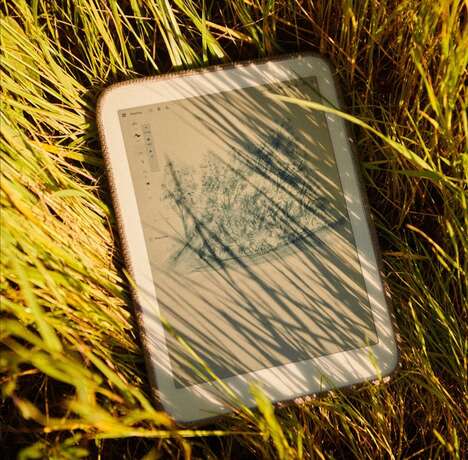
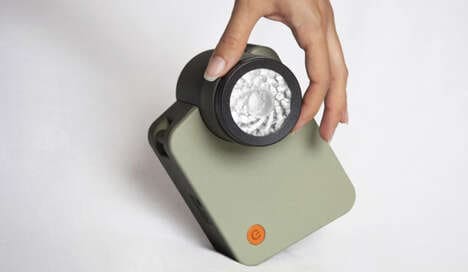
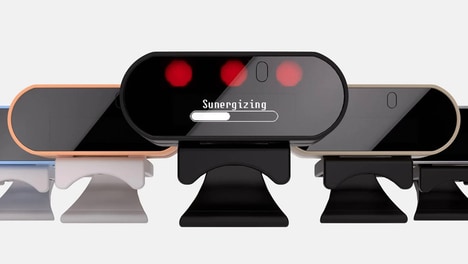
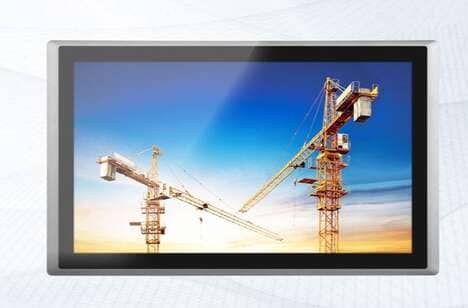
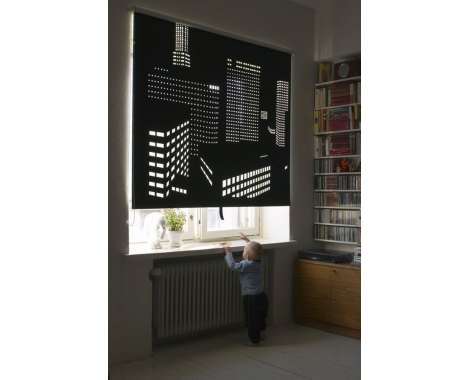
SUN-D, a small start-up from Switzerland, says their screen display works without any electro luminous means and utilises existing light sources such as the sun, lamps or even candles or a fire to display any kind of low-graphic image or text.
Trend Hunter featured the SUN-D display back in September 2007 when it was just a protoype, but developments have come far since.
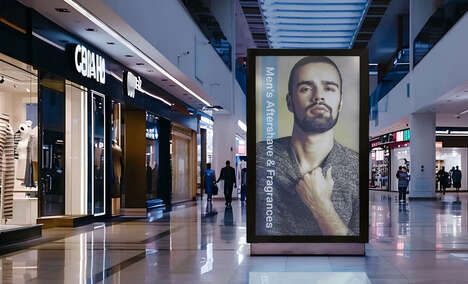
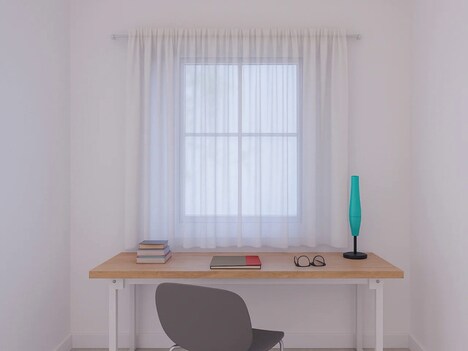
I can imagine the SUN-D display mounted on a facade in place of a window where daylight conditions are optimal to operate the sundisplay. During the day, when light conditions are brighter outside than inside, information on the display can be seen from inside the building and at night, vise versa. This may be of high interest for architects!
“Sunlight is normally the natural enemy of displays that work with some sort of illuminant. SUN_D exploits this inherent weakness and, in keeping with its basic concept, explores potential uses of this free and inexhaustible light source,” the official site says. “The project’s objective to use ‘(sun)light and shade as a medium of expression’ carries on a tradition that goes far back into (art) history; this gives the proposal an even greater [...] irresistible charm.”
What Makes This Trend Stand Out
- Light-powered Displays
- The development of screens and displays that can operate using natural light sources such as the sun or lamps presents an opportunity for a more sustainable and energy-efficient display technology.
- Adaptive Display Technology
- The use of light-responsive displays that can change depending on daylight conditions opens up possibilities for dynamic and customizable visual content that can adapt to different environments.
- Architectural Integration of Displays
- Incorporating light-powered displays into architecture, such as facades or windows, allows for the integration of information and visual content into the physical structures of buildings.
Sectors Adopting This
- Consumer Electronics
- The development of light-powered displays can revolutionize the consumer electronics industry by offering more sustainable and energy-efficient alternatives to traditional display technologies.
- Art and Design
- Light-responsive displays provide artists and designers with new tools and mediums to create dynamic and interactive artworks that can change based on lighting conditions.
- Architecture and Construction
- The integration of light-powered displays into architectural designs offers architects and construction professionals the opportunity to incorporate information and visual elements into buildings in a visually striking and functional way.