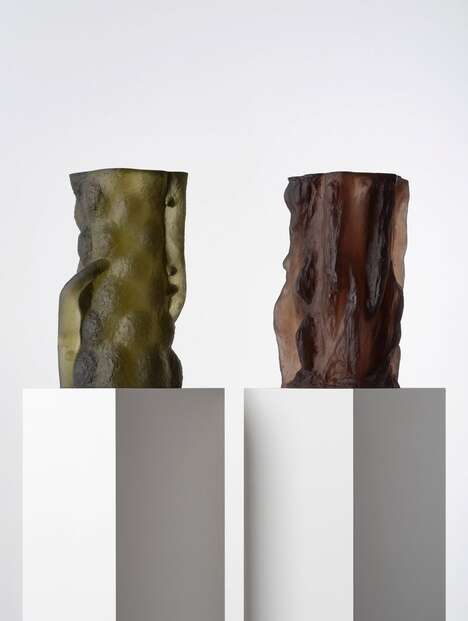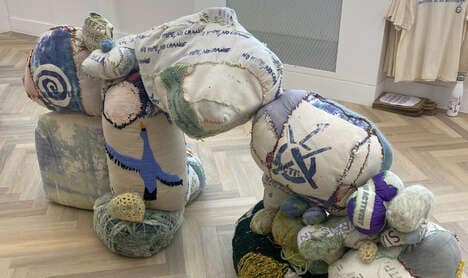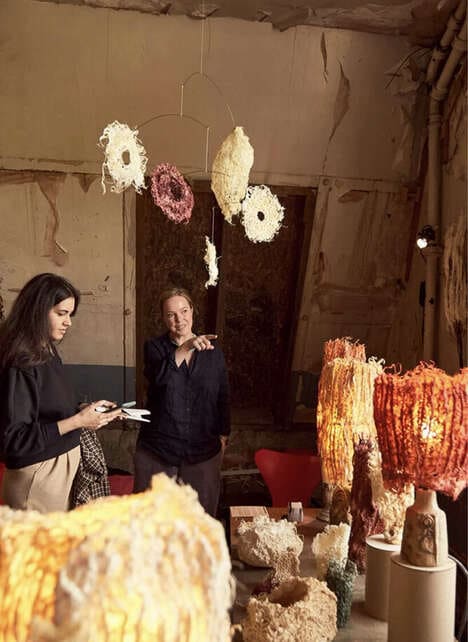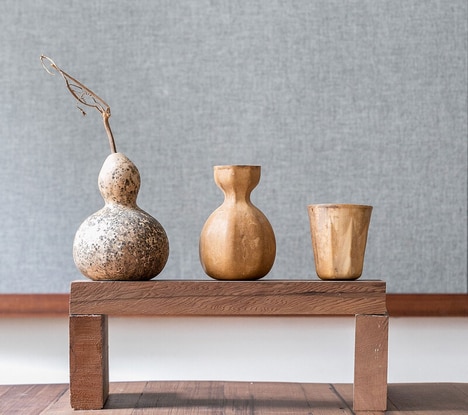
Stephanie Kilgast envisions a post-apocalyptic world with overgrown coral, lush plants and moss, and fungi in her new series of sculptures. The base of her sculptures are discarded and disposable containers that typically outlast their original function such as cans, bottles, and various metallic objects.
The artist uses painted clay to illustrate what the world might resemble in a post-apocalyptic situation. The series comments on nature's ability to reclaim the land and take over manmade objects. Cans and plastic bottles are covered in vibrant growth, imagining a universe that is devoid of humanity yet still tainted by our rampant consumption habits. She explains that by removing humanity from the world, "other species grow over our mistakes."
Image Credit: Stéphanie Kilgast
What Makes This Trend Stand Out
- Post-apocalyptic Art
- Artists can create works that imagine a world devoid of human existence and explore nature's ability to take over manmade objects.
- Upcycled Sculptures
- Artists can transform discarded objects into unique art pieces that make a statement about our rampant consumption habits and the potential for new life in unexpected places.
- Nature-inspired Clay Sculptures
- Artists can use clay as a medium to create intricate and vibrant structures inspired by nature and the potential for new life to emerge in unexpected places.
Sectors Adopting This
- Art and Design
- Artists and designers can take inspiration from Stephanie Kilgast's work to create eco-friendly and thought-provoking art pieces that comment on our relationship with the environment.
- Sustainability
- Companies and organizations can embrace upcycling and other sustainable practices to reduce waste and minimize the impact of human activity on the planet.
- Urban Planning and Architecture
- Urban planners and architects can consider the potential for nature to reclaim urban spaces and incorporate sustainable design practices to create resilient and adaptive cities.