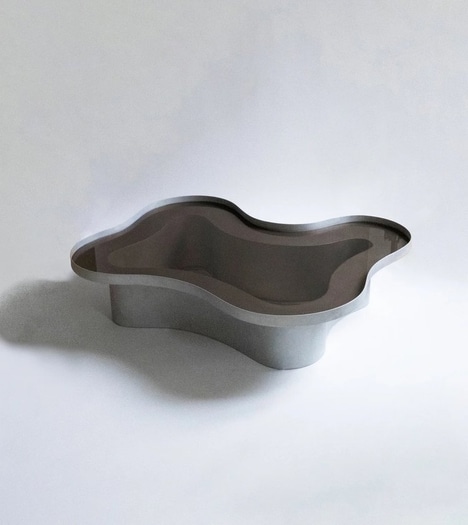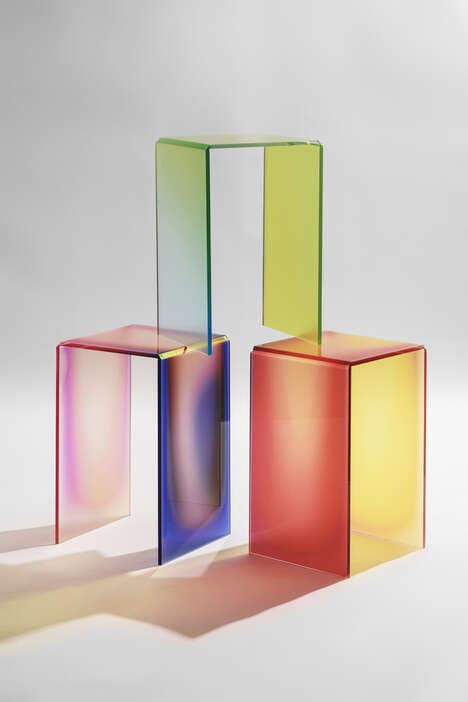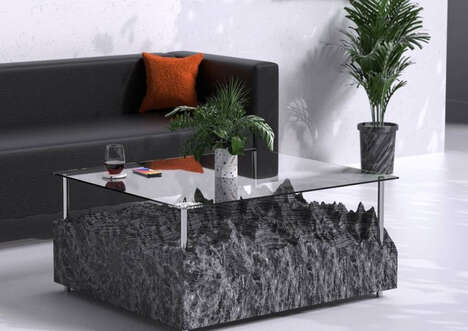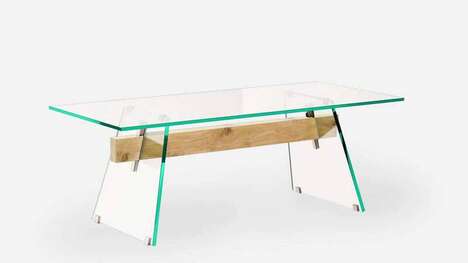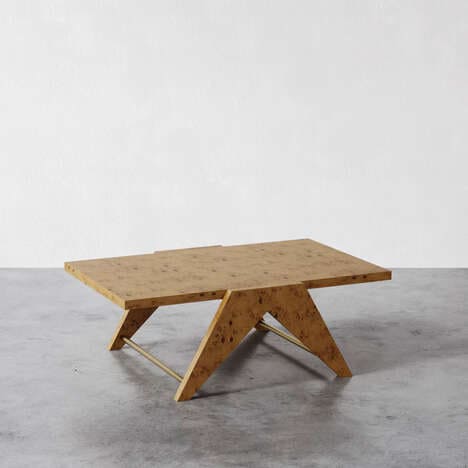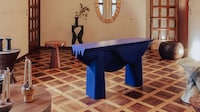
The 'Star' coffee table from Imprime-moi un mouton is the design work of Line Pierron and combines several materials in order to achieve a high-end furniture piece that's perfect for living or working spaces. The table features a wooden frame that has been paired with intricate 3D-printed components for the base that is visible through the top glass section. The furniture piece draws design inspiration from the art of marquetry, which makes it more like a work of art than just a table.
The 'Star' coffee table is a limited-edition furniture piece that comes signed and number from the company to further enhance the artistic nature of the unit. The table is priced at €3166 and can be purchased directly from the brand.
Image Credit: Line Pierron
What's Driving This Trend
- Multi-material 3D Printing
- The use of multiple materials in 3D printing can create innovative and high-end furniture pieces with unique designs.
- Intricate 3d-printed Components
- Incorporating detailed 3D-printed parts can add visual appeal and complexity to furniture, blurring the line between art and function.
- Limited-edition Designer Furniture
- Creating limited-edition furniture pieces can add exclusivity and collectibility to the market, appealing to consumers who appreciate rarity and craftsmanship.
Who This Affects Most
- Furniture Manufacturing
- Furniture manufacturers can explore the use of multi-material 3D printing to create innovative and visually stunning pieces that cater to a niche market segment.
- 3D Printing Technology
- The development of intricate 3D-printed components presents growth opportunities for companies specializing in advanced 3D printing technologies and materials.
- Design and Art Sectors
- The integration of artistic and design elements in furniture opens up possibilities for collaborations between furniture designers and artists, creating unique and aesthetically pleasing creations.