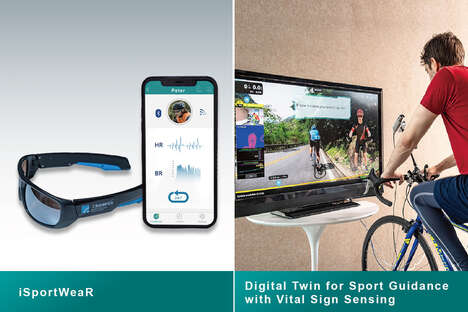
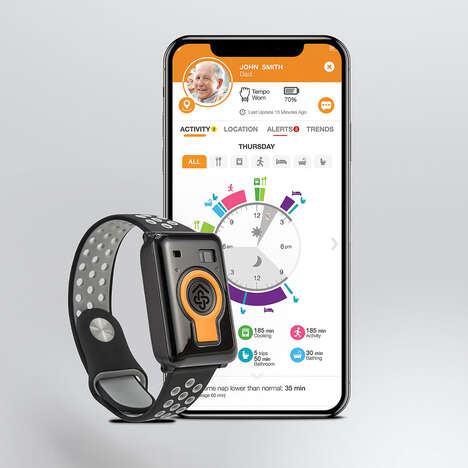
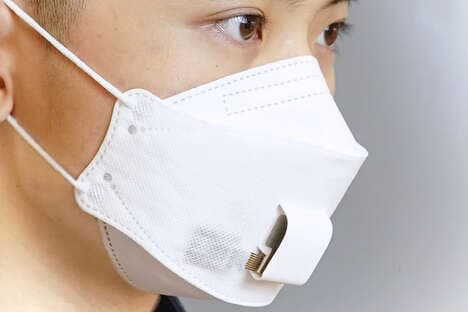
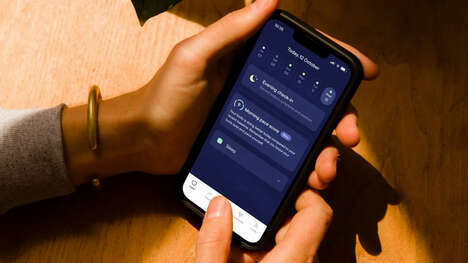
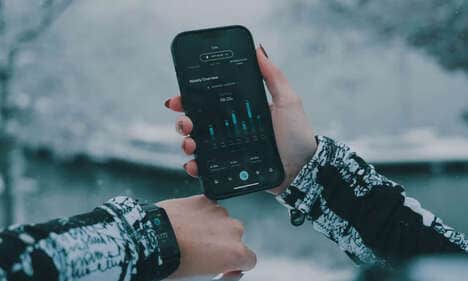
Researchers from Stanford Medicine are attempting to use data derived from wearable technology to predict the onset of different illnesses, including COVID-19. The wearable technology data will be used to develop algorithms that could potentially inform patients they are sick before the onset of their symptoms. Data related to changes in heart rate, or skin temperature, can be compared to a COVID-19 timeline to identify early warning signs.
Michael Snyder, a professor and chair of genetics at Stanford Medicine, spoke about the role wearable technology can play in acquiring data, "Smartwatches and other wearables make many, many measurements per day — at least 250,000, which is what makes them such powerful monitoring devices."
Image Credit: Shutterstock
Key Themes Behind This Trend
- Predictive Wearable Technology
- This trend allows medication to be administered at the early onset of symptoms, revolutionizing personalized healthcare.
- Data-driven Healthcare Solutions
- This trend utilizes the vast amount of data generated from wearable technology to create targeted healthcare solutions.
- Wearable Technology for Early Disease Detection
- This trend aims to revolutionize early disease detection by combining wearable technology with data analytics.
Where This Applies
- Healthcare
- The widespread implementation of wearable technology provides an opportunity for the healthcare industry to offer personalized care to individuals at a large scale.
- Technology
- Wearable technology advancements present a lucrative opportunity for the technology industry to develop new products and services that can transform the healthcare industry.
- Data Analytics
- Wearable technology generates large amounts of data, and the application of data analytics can help create more personalized healthcare solutions and disease prevention strategies.