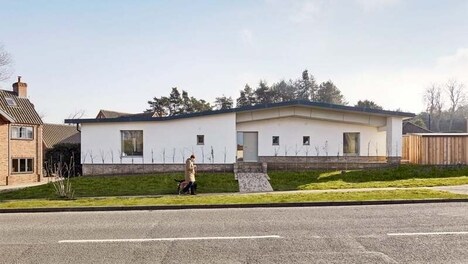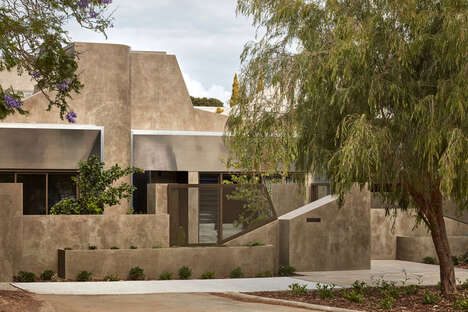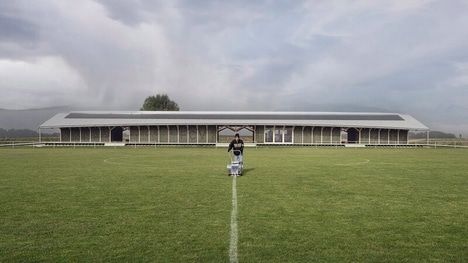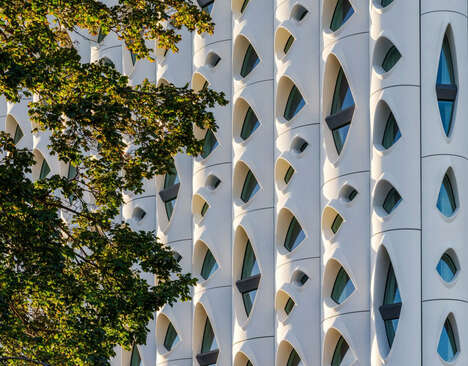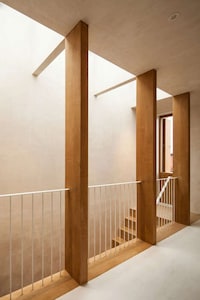
Lemoal Lemoal recently completed construction on the world's first carbon-negative public building and it is made of an innovative material by the name of hempcrete. As its name suggests, this material combines a mixture of hemp with lime and water and it is full of benefits from the natural properties of hemp. Hemp has high thermal and acoustic performance, and the biomaterial panels are fire-resistant, long-lasting and useful for reducing the thickness of walls, since it is naturally insulating and removes the need for additional insulation—and as a result, the usable interior space is maximized.
Notably, these blocks can be assembled dry and they make the most of an interlocking system that does not require adhesives or mortar. As the Paris studio says, "The innovation here is not to use hempcrete for a public building but the hempcrete blocks with dry interlocking."
Key Themes Behind This Trend
- Sustainable Building Materials
- Innovative materials like hempcrete offer opportunities for carbon-neutral or carbon-negative construction projects.
- Interlocking Construction Systems
- Advancements in interlocking systems provide efficiencies and cost savings in building construction.
- Maximizing Interior Space
- The use of natural insulating materials can reduce wall thickness and increase usable interior space.
Where This Applies
- Construction
- The construction industry should focus on exploring and implementing alternative materials and innovative building techniques to reduce carbon footprint and increase efficiency.
- Sustainable Materials
- Developing and manufacturing sustainable building materials, like hempcrete, presents an opportunity for companies to disrupt the construction and insulation industries.
- Energy Efficiency
- By increasing the energy efficiency of buildings through the use of innovative materials, like hempcrete, and construction techniques, the energy efficiency industry can benefit from a growing demand for sustainable solutions.