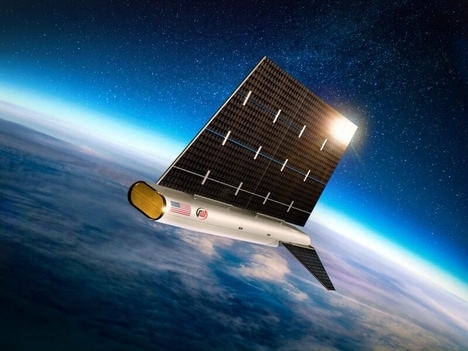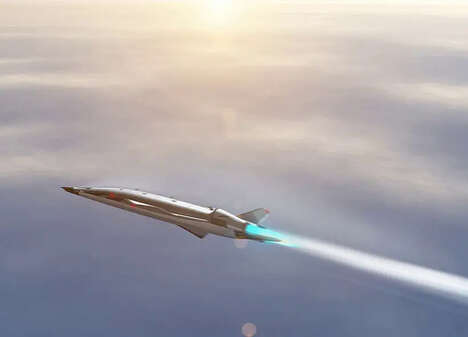
The Indian Space Research Organisation (ISRO) is set to demonstrate the Reusable Launch Vehicle-Technology Demonstrator or RLV-TD spaceplane, an experimental sub-orbital spacecraft that is similar to the American Air Force's X-37B.
This spaceplane is designed to significantly and drastically tone down the cost of launching payloads into orbit from the earth. Whereas this previously cost as much as $5,000 per kilogram, the RLV-TD could help bring the cost down all the way to a ridiculously low $500. The winged craft will be capable of coasting along at an altitude of around 100 km before making a gradual and controlled re-entry.
The RLV-TD isn't just a technological marvel in and of itself, but it could go a long way towards making space launches less expensive and by extension, more accessible to a wider range of players.
What Makes This Trend Stand Out
- Reusable Launch Vehicles
- The development of reusable launch vehicles like the RLV-TD creates an opportunity for cost-effective space launches.
- Reducing Launch Costs
- The RLV-TD could significantly reduce the cost of launching payloads into orbit, making space more accessible.
- Spaceplane Technology
- The development of spaceplanes opens up possibilities for sub-orbital spacecraft and controlled re-entry.
Sectors Adopting This
- Space Exploration
- The space exploration industry can benefit from the disruptive innovation of reusable launch vehicles and reduced launch costs.
- Aerospace Technology
- The aerospace industry can leverage spaceplane technology to develop more efficient and cost-effective means of reaching space.
- Satellite Communication
- The satellite communication industry stands to benefit from lowered launch costs, enabling more affordable deployment of communication satellites.