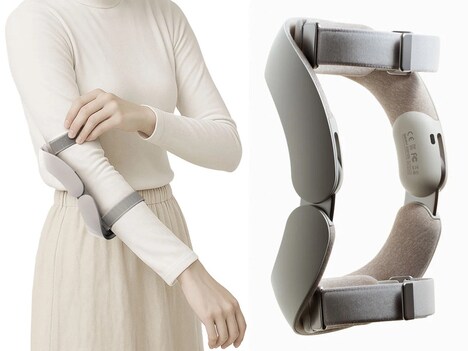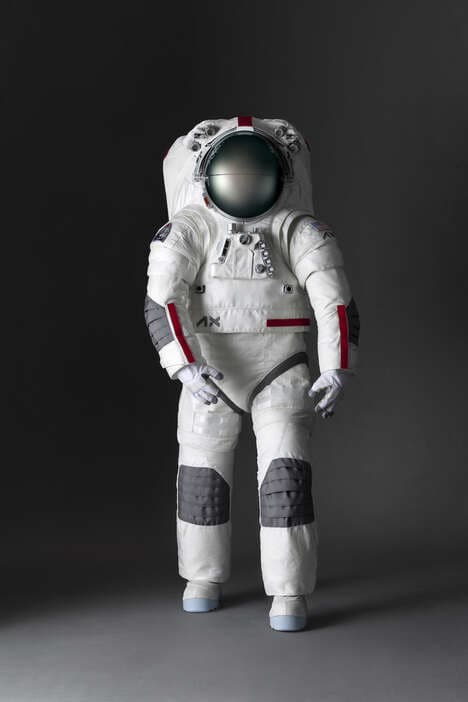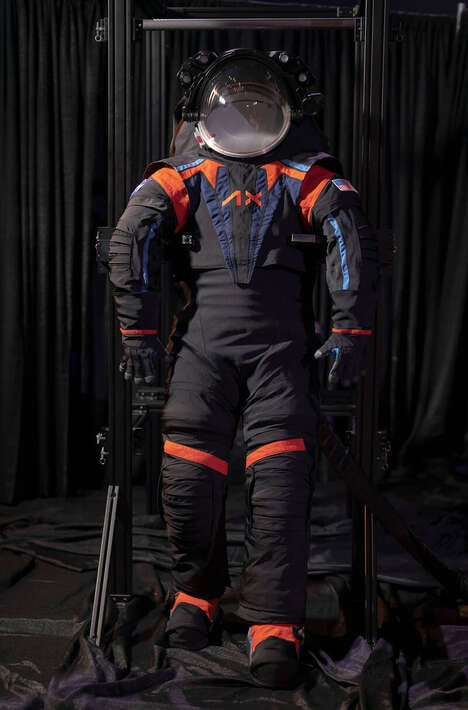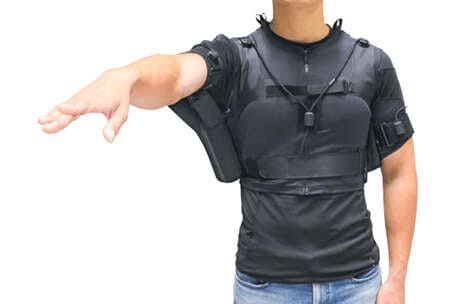
In their development of an earthwork-like robot Researchers at MIT, Harvard and Seoul National University have come up with a space suit concept that would be able to fit itself to the body of an astronaut without the need for a lot of additional bulk. Conventional space suit designs make use of gas to provide atmospheric pressure, but with this form-fitting design, astronauts would be protected by mechanical counterpressure instead.
As well as being easier to slip into, the design is a lot less cumbersome, as well as lightweight and flexible for space exploration. The bot that forms this space suit is described to be capable of making a series of "self-closing buckles," so that becoming enveloped in the suit is secure. In addition to having applications in space, the researchers suggest that this also has applications here on earth, such as serving as a tourniquet for injuries.
What Makes This Trend Stand Out
- Form-fitting Space Suits
- Mechanical counterpressure to provide atmospheric pressure for space exploration, simplifying space suits and enabling more mobility.
- Self-adjusting Robot Clothing
- Robot clothing that can shape itself to the human body without extra space is being developed, presenting opportunities for new types of wearable technology.
- Application of Astronaut Gear to Health Care
- Space suit technology that could be applied to medical aids, such as tourniquets, offers innovation opportunities for those in the healthcare sector.
Sectors Adopting This
- Space Exploration Industry
- The development of more flexible, lightweight space suits can have applications in multiple areas of space exploration.
- Wearable Technology Industry
- Form-fitting robot clothing for humans to wear presents a multitude of opportunities within this growing industry.
- Medical Industry
- The counter pressure technology in this suit can be applied to medical devices and expand applications of this technology within healthcare.